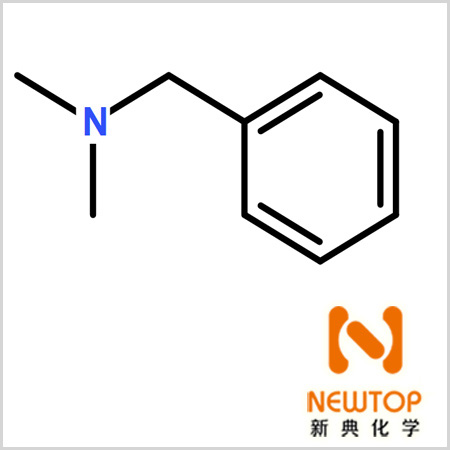
Application of DMCHA as a high-efficiency catalyst in elastomers

The application of DMCHA as a high-efficiency catalyst in elastomers

Introduction

Elastomers are a type of polymer materials with high elasticity and reversible deformation capabilities, and are widely used in automobiles, construction, electronics, medical and other fields. With the advancement of science and technology, the performance requirements of elastomers are becoming higher and higher, especially in terms of heat resistance, aging resistance, mechanical strength, etc. To meet these needs, catalysts play a crucial role in the synthesis and processing of elastomers. DMCHA (N,N-dimethylcyclohexylamine) has been widely used in the field of elastomers in recent years. This article will introduce in detail the characteristics, mechanism of action, application fields and specific application cases in elastomers.

1. Basic characteristics of DMCHA

1.1 Chemical structure

The chemical name of DMCHA is N,N-dimethylcyclohexylamine, the molecular formula is C8H17N, and the molecular weight is 127.23 g/mol. The structure is as follows:

 CH3
       |
  N-CH2-CH2-CH2-CH2-CH2-CH2-CH2-CH2
       |
      CH3

1.2 Physical Properties

Properties value
Appearance Colorless to light yellow liquid
Density (20°C) 0.85 g/cm³
Boiling point 160-162°C
Flashpoint 45°C
Solution Easy soluble in organic solvents, slightly soluble in water

1.3 Chemical Properties

DMCHA is a strong basic organic amine with high reactivity. It is able to react with a variety of organic and inorganic compounds, especially in catalytic reactions. The alkalinity of DMCHA makes it play an important role in the synthesis of materials such as polyurethane and epoxy resin.

2. The mechanism of action of DMCHA

2.1 Catalytic mechanism

DMCHA, as a highly efficient catalyst, mainly plays a role through the following two mechanisms:

  1. Basic Catalysis: The strong alkalinity of DMCHA allows it to accelerate certain chemical reactions, especially in the synthesis of polyurethanes and epoxy resins. DMCHA can promote the reaction of isocyanate with alcohols or amines, thereby accelerating the polymerization process.

  2. Nucleophilic Catalysis: DMCHA contains lone pairs of electrons on its nitrogen atom, which can act as a nucleophilic reagent to attack the electrophilic potential in the reactants, thereby accelerating the reaction process.

2.2 Catalytic efficiency

The catalytic efficiency of DMCHA is closely related to its molecular structure. Its cyclohexyl structure provides good steric hindrance effect, making DMCHA highly selective in reaction. In addition, moderate alkalinity of DMCHA will not lead to excessive rapid reaction and out of control, nor will it affect the reaction rate due to weak alkalinity.

III. Application of DMCHA in elastomers

3.1 Polyurethane elastomer

Polyurethane elastomers are an important class of elastic materials and are widely used in automobiles, construction, electronics and other fields. DMCHA is mainly used as a catalyst in the synthesis of polyurethane elastomers, which can significantly improve the reaction rate and product performance.

3.1.1 Reaction process

In the synthesis of polyurethane elastomers, DMCHA mainly catalyzes the reaction of isocyanate with polyols. The reaction process is as follows:

  1. Prepolymerization reaction: Isocyanate and polyol form prepolymers under the catalysis of DMCHA.
  2. Chain extension reaction: The prepolymer and chain extender (such as diamine or diol) are further reacted under the catalysis of DMCHA to form a high molecular weight polyurethane elastomer.

3.1.2 Application Cases

Application Fields Specific application DMCHA dosage (wt%) Performance improvement effect
Auto Industry Car seats, steering wheel, shock absorbers 0.1-0.5 Improve the mechanical strength and heat resistance of the elastomer
Construction Industry Waterproof coatings, sealants 0.2-0.8 Improve the adhesion and weather resistance of the paint
Electronics Industry Cable sheath, insulation material 0.1-0.3 Improve the insulation properties and aging resistance of materials

3.2 Epoxy resin elastomer

Epoxy resin elastomers are a type of materials with excellent mechanical properties and chemical resistance, and are widely used in aerospace, electronics, construction and other fields. DMCHA is mainly used as a curing agent in the synthesis of epoxy resin elastomers, which can significantly improve the curing rate and product performance.

3.2.1 Reaction process

In the synthesis of epoxy resin elastomers, DMCHA mainly catalyzes the reaction of epoxy groups with amine-based curing agents. The reaction process is as follows:

  1. Ring opening reaction: The epoxy group undergoes a ring opening reaction with an amine curing agent under the catalysis of DMCHA to form a hydroxyl group.
  2. Crosslinking reaction: The generated hydroxyl group further reacts with epoxy groups to form a three-dimensional crosslinking network structure.

3.2.2 Application Cases

Application Fields Specific application DMCHA dosage (wt%) Performance improvement effect
Aerospace Composite materials, structural glue 0.5-1.0 Improve the mechanical strength and heat resistance of the material
Electronics Industry Encapsulation materials, insulation materials 0.3-0.8 Improve the insulation properties and aging resistance of materials
Construction Industry Floor coatings, anticorrosion coatings 0.2-0.6 Improve the adhesion and weather resistance of the paint

3.3 Silicone rubber elastomer

Silicone rubber elastomer is a type of material with excellent heat resistance, weather resistance and electrical insulation, and is widely used in electronics, medical, automobiles and other fields. DMCHA is mainly used as a catalyst in the synthesis of silicone rubber elastomers, which can significantly improve the reaction rate and product performance.

3.3.1 Reaction process

In the synthesis of silicone rubber elastomers, DMCHA mainly catalyzes the silicon hydrogen addition reaction. The reaction process is as follows:

  1. Silicone addition reaction: hydrogen-containing silicone oil and BAlkenyl silicone oil undergoes a hydrogen silicon addition reaction under the catalysis of DMCHA to form a silicone rubber elastomer.
  2. Crosslinking reaction: The generated silicone rubber elastomer is further cross-linked to form a three-dimensional network structure.

3.3.2 Application Cases

Application Fields Specific application DMCHA dosage (wt%) Performance improvement effect
Electronics Industry Cable sheath, insulation material 0.1-0.3 Improve the insulation properties and aging resistance of materials
Medical Industry Medical catheters, seals 0.2-0.5 Improve the biocompatibility and heat resistance of the material
Auto Industry Seals, Shock Absorbers 0.1-0.4 Improve the mechanical strength and weather resistance of the material

IV. Application advantages of DMCHA

4.1 Efficiency

DMCHA, as a highly efficient catalyst, can significantly increase the reaction rate, shorten the production cycle, and thus improve production efficiency.

4.2 Selectivity

The molecular structure of DMCHA provides a good steric hindrance effect, making it highly selective in the reaction, can effectively control the reaction process, and reduce the occurrence of side reactions.

4.3 Stability

DMCHA can maintain high catalytic activity under high temperature and high pressure conditions, has good thermal stability and chemical stability, and is suitable for a variety of complex reaction environments.

4.4 Environmental protection

DMCHA is an organic amine catalyst with low toxicity and volatileness, environmentally friendly and meets the environmental protection requirements of modern industry.

V. Application prospects of DMCHA

With the widespread application of elastomer materials in multiple fields, the demand for catalysts is also increasing. As a catalyst with high efficiency, good selectivity and high stability, DMCHA has broad application prospects. In the future, with the advancement of science and technology and the improvement of processes, DMCHA will be more widely used in elastomers and its performance will be further improved.

5.1 Development of new elastomers

With new material technologyWith the continuous development of new elastomers, the development of new elastomers will become an important direction in the future. As a highly efficient catalyst, DMCHA will play an important role in the synthesis of new elastomers and promote the performance improvement and application expansion of elastomer materials.

5.2 Green and environmentally friendly technology

With the increase in environmental awareness, green environmental protection technology will become an important trend in future industrial development. As an environmentally friendly catalyst, DMCHA will play an important role in the synthesis of green elastomer materials and promote the sustainable development of elastomer materials.

5.3 Intelligent production

With the development of intelligent manufacturing technology, the production of elastomer materials will be more intelligent and automated. As a highly efficient catalyst, DMCHA will play an important role in intelligent production and improve production efficiency and product quality.

VI. Conclusion

DMCHA, as a highly efficient catalyst, plays an important role in the synthesis and processing of elastomer materials. Its high efficiency, selectivity, stability and environmental protection make it widely used in elastomeric materials such as polyurethane, epoxy resin, silicone rubber. With the advancement of science and technology and the improvement of process, DMCHA will be more widely used in elastomers and its performance will be further improved, providing strong support for the development of elastomer materials.


Appendix: DMCHA product parameter table

parameters value
Appearance Colorless to light yellow liquid
Density (20°C) 0.85 g/cm³
Boiling point 160-162°C
Flashpoint 45°C
Solution Easy soluble in organic solvents, slightly soluble in water
Molecular Weight 127.23 g/mol
Molecular formula C8H17N
Storage Conditions Cool, dry, ventilated
Packaging Specifications 25kg/barrel, 200kg/barrel
Shelf life 12 months

Note: The content of this article is for reference only, and the specific application needs to be adjusted according to actual conditions.

Extended reading:https://www.bdmaee.net/niax-a-4e-tertiary-amine-catalyst-momentive/

Extended reading:https://www.bdmaee.net/wp-content/uploads/2022/08/3-1.jpg

Extended reading:https://www.bdmaee.net/wp-content/uploads/2022/08/-NCM-PC-CAT-NCM-polyester-sponge-catalyst–NCM.pdf

Extended reading:https://www.bdmaee.net/low-atomization-amine-catalyst/

Extended reading:https://www.bdmaee.net/tetramethyldipropopylene-triamine-cas-6711-48-4-bis-3-dimethylpropylaminoamine/

Extended reading:https://www.bdmaee.net/fascat-4200/

Extended reading:<a href="https://www.bdmaee.net/fascat-4200/

Extended reading:https://www.bdmaee.net/rc-catalyst-101-catalyst-cas99-95-6-rhine-chemical/

Extended reading:https://www.bdmaee.net/wp-content/uploads/2022/08/Zinc-isooctanoate-CAS-136-53-8-Zinc-2-ethylloctanoate.pdf

Extended reading:https://www.bdmaee.net/low-odor-reaction-type-composite-catalyst/

Extended reading:https://www.newtopchem.com/archives/category/products/page/150

The combination of N,N-dimethylcyclohexylamine and sustainable chemical products

The combination of N,N-dimethylcyclohexylamine and sustainable chemical products

Introduction

With the increasing emphasis on environmental protection and sustainable development around the world, the chemical industry is also actively exploring more environmentally friendly and sustainable production methods. As an important chemical intermediate, N,N-dimethylcyclohexylamine (DMCHA) is widely used in polyurethane, coatings, adhesives and other fields. This article will discuss in detail the application of N,N-dimethylcyclohexylamine in sustainable chemical products, analyze its product parameters, production processes, environmental impacts and future development directions.

1. Basic properties of N,N-dimethylcyclohexylamine

1.1 Chemical structure

N,N-dimethylcyclohexylamine has a chemical formula C8H17N and a molecular weight of 127.23 g/mol. It is a colorless to light yellow liquid with a unique amine odor.

1.2 Physical Properties

parameters value
Boiling point 160-162°C
Melting point -60°C
Density 0.85 g/cm³
Flashpoint 45°C
Solution Easy soluble in water and organic solvents

1.3 Chemical Properties

N,N-dimethylcyclohexylamine is a strongly basic compound that can react with acid to form a salt. It is also highly nucleophilic and can participate in a variety of organic synthesis reactions.

2. Production process of N,N-dimethylcyclohexylamine

2.1 Traditional production process

The traditional N,N-dimethylcyclohexylamine production process mainly uses methylation reactions between cyclohexylamine and formaldehyde under the action of an acid catalyst. Although this process is mature, it has problems such as high energy consumption, many by-products, and serious environmental pollution.

2.2 Green production process

In order to reduce the impact on the environment, a variety of green production processes have been developed in recent years. For example, using biocatalysts or ionic liquids as catalysts can significantly reduce reaction temperature and energy consumption and reduce the generation of by-products.

Craft Catalyzer Reaction temperature Energy consumption By-product
Traditional crafts Acidic Catalyst 100-120°C High many
Green Craft Biocatalyst 60-80°C Low Little

3. Application of N,N-dimethylcyclohexylamine in sustainable chemical products

3.1 Polyurethane Industry

N,N-dimethylcyclohexylamine, as a polyurethane foaming catalyst, can significantly improve foaming efficiency and foam quality. Compared with traditional catalysts, it has higher catalytic activity and selectivity and can reduce the emission of harmful substances.

Catalyzer Foaming efficiency Foam Quality Hazardous substance emissions
Traditional catalyst General General High
DMCHA High High Low

3.2 Coating Industry

In the coating industry, N,N-dimethylcyclohexylamine as a curing agent can improve the hardness and wear resistance of the coating. At the same time, it can also reduce the VOC (volatile organic compound) content of the coating and reduce environmental pollution.

Curging agent Coating hardness Abrasion resistance VOC content
Traditional curing agent General General High
DMCHA High High Low

3.3 Adhesive Industry

N,N-dimethylcyclohexylamine is used as a crosslinker in the adhesive industry and can improve the adhesive strength andHeat resistance. It has higher reactivity and lower toxicity compared to conventional crosslinking agents.

Crosslinker Bonding Strength Heat resistance Toxicity
Traditional crosslinking agent General General High
DMCHA High High Low

4. Environmental impact of N,N-dimethylcyclohexylamine

4.1 Environmental impact in production process

In traditional production processes, the production of N,N-dimethylcyclohexylamine will produce a large amount of wastewater and waste gas, causing serious pollution to the environment. The green production process can significantly reduce the emission of wastewater and waste gas by using environmentally friendly catalysts and optimizing reaction conditions.

Craft Wastewater discharge Exhaust gas emissions Environmental Impact
Traditional crafts High High Serious
Green Craft Low Low Minimal

4.2 Environmental impact during use

N,N-dimethylcyclohexylamine is less harmful to the environment and the human body due to its low toxicity and low volatility. Compared with traditional chemical products, it produces fewer harmful substances during use and is more environmentally friendly.

Product Toxicity Volatility Environmental Impact
Traditional products High High Serious
DMCHA Low Low Minimal

5. N,N-dimethylcyclohexylamineCome to the direction of development

5.1 Further optimization of green production process

In the future, the production process of N,N-dimethylcyclohexylamine will continue to develop in a more environmentally friendly and efficient direction. By introducing new catalysts and reactor designs, the reaction efficiency and product purity can be further improved, and the generation of by-products can be reduced.

5.2 Expansion of application fields

With the advancement of technology, the application field of N,N-dimethylcyclohexylamine will be further expanded. For example, in the fields of new energy materials, biomedicine, etc., N,N-dimethylcyclohexylamine is expected to play a greater role.

5.3 Promotion of environmental protection regulations

As the global environmental protection regulations become increasingly strict, N,N-dimethylcyclohexylamine, as an environmentally friendly chemical product, will be favored by more countries and regions. In the future, it will be widely used globally.

Conclusion

N,N-dimethylcyclohexylamine, as an important chemical intermediate, has broad application prospects in sustainable development of chemical products. By optimizing production processes, expanding application fields and promoting environmental protection regulations, N,N-dimethylcyclohexylamine will play a more important role in the future chemical industry and contribute to the realization of green chemical industry and sustainable development.


The above content is a detailed discussion on the combination of N,N-dimethylcyclohexylamine and sustainable chemical products, covering its basic properties, production processes, application fields, environmental impacts and future development directions. Through tables and data, the advantages and application prospects of N,N-dimethylcyclohexylamine in sustainable development are visually demonstrated.

Extended reading:https://www.newtopchem.com/archives/44755

Extended reading:https://www.morpholine.org/nn-bis3-dimethylaminopropyl-nn-dimethylpropane-13-diamine/

Extended reading:https://www.morpholine.org/category/morpholine/page/5402/

Extended reading:https://www.cyclohexylamine.net/dabco-ne500-non-emission-amine-catalyst-ne500/

Extended reading:https://www.cyclohexylamine.net/acetic-acid-potassium-salt-potassium-acetate/

Extended reading:https://www.morpholine.org/1-methyllimidazole/

Extended reading:<a href="https://www.morpholine.org/1-methyllimidazole/

Extended reading:https://www.newtopchem.com/archives/40434

Extended reading:https://www.morpholine.org/bis3-dimethylaminopropylamino-2-propanol/

Extended reading:https://www.bdmaee.net/light-foam-catalyst/

Extended reading:https://www.newtopchem.com/archives/category/products/page/89

Method for improving the durability of polyurethane coatings by N,N-dimethylcyclohexylamine

Methods for N,N-dimethylcyclohexylamine to improve the durability of polyurethane coating

Introduction

Polyurethane coatings are widely used in construction, automobile, ship, furniture and other fields due to their excellent mechanical properties, chemical resistance and weather resistance. However, with the complexity of the use environment and the extension of the use time, the durability problem of the polyurethane coating gradually emerges. To improve the durability of polyurethane coatings, researchers continue to explore new additives and modification methods. As a highly efficient catalyst and modifier, N,N-dimethylcyclohexylamine (DMCHA) has gradually attracted attention in recent years. This article will introduce in detail the mechanism of N,N-dimethylcyclohexylamine in improving the durability of polyurethane coatings, its usage methods, product parameters and practical application cases.

I. Basic properties of N,N-dimethylcyclohexylamine

1.1 Chemical structure

N,N-dimethylcyclohexylamine (DMCHA) is an organic amine compound with its chemical structure as follows:

 CH3
       |
  N-CH3
   /
  /
 /
| |
        /
       /
      /
     /
     C

1.2 Physical Properties

Properties value
Molecular formula C8H17N
Molecular Weight 127.23 g/mol
Boiling point 160-162°C
Density 0.85 g/cm³
Flashpoint 40°C
Solution Easy soluble in organic solvents

1.3 Chemical Properties

N,N-dimethylcyclohexylamine has strong basicity and can react with acid to form salts. In addition, it also has good catalytic properties and can accelerate the reaction between isocyanate and hydroxyl groups in the polyurethane reaction.

2. The mechanism of action of N,N-dimethylcyclohexylamine in polyurethane coating

2.1 Catalysis

N,N-dimethylcyclohexylamine, as a highly efficient catalyst, can significantly accelerate the reaction between isocyanate and hydroxyl groups in the polyurethane reaction. The catalytic mechanism is as follows:

  1. Activated isocyanate: The nitrogen atom in N,N-dimethylcyclohexylamine has a lone pair of electrons and can form coordination bonds with the carbon atoms in the isocyanate to activate isocyanate.
  2. Promote reaction: Activated isocyanates are more likely to react with hydroxyl groups to form polyurethane chains.

2.2 Modification effect

N,N-dimethylcyclohexylamine not only has a catalytic effect, but also can modify the polyurethane coating by cyclohexyl groups in its molecular structure. The specific functions are as follows:

  1. Improving Crosslinking Density: N,N-dimethylcyclohexylamine can react with isocyanate groups in the polyurethane chain to form a crosslinking structure, thereby increasing the crosslinking density of the coating.
  2. Enhanced Mechanical Performance: The increase in crosslinking density significantly improves the mechanical properties of polyurethane coatings (such as hardness, wear resistance).
  3. Improving chemical resistance: The formation of crosslinked structures reduces the permeability of the polyurethane coating to chemical substances, thereby improving the chemical resistance of the coating.

III. Methods for using N,N-dimethylcyclohexylamine

3.1 Addition amount

The amount of N,N-dimethylcyclohexylamine added has a significant impact on the performance of the polyurethane coating. Generally speaking, it is more appropriate to add between 0.1% and 1.0%. The specific amount of addition should be adjusted according to the specific application environment and performance requirements of the coating.

Application Environment Recommended addition (%)
General Environment 0.1-0.3
High humidity environment 0.3-0.5
High chemical corrosion environment 0.5-1.0

3.2 Adding method

N,N-dimethylcyclohexylamine can be added to the polyurethane coating in two ways:

  1. Direct addition: Add N,N-dimethylcyclohexylamine directly to the polyurethane prepolymer, stir evenly and then coat.
  2. Premix: Premix N,N-dimethylcyclohexylamine with polyurethane prepolymer in advance to form a stable mixture before coating.

3.3 Notes

  1. Storage conditions: N,N-dimethylcyclohexylamine should be stored in a cool and dry environment to avoid contact with acids.
  2. Safe Operation: N,N-dimethylcyclohexylamine has a certain irritation. Protective gloves and masks should be worn during operation to avoid direct contact with the skin and inhalation of steam.

IV. Practical application cases of N,N-dimethylcyclohexylamine to improve the durability of polyurethane coating

4.1 Building exterior wall coating

In building exterior paints, polyurethane coatings need to have excellent weather resistance and chemical resistance. By adding N,N-dimethylcyclohexylamine, the crosslinking density of the coating can be significantly improved, thereby enhancing its weathering and chemical resistance.

Performance metrics DMCHA not added Add DMCHA (0.3%)
Weather resistance (hours) 1000 1500
Chemical resistance (grade) 3 5

4.2 Automotive Paint

Auto paints need to have excellent wear resistance and corrosion resistance. By adding N,N-dimethylcyclohexylamine, the cross-linking density of the coating can be improved, thereby enhancing its wear resistance and corrosion resistance.

Performance metrics DMCHA not added Add DMCHA (0.5%)
Abrasion resistance (times) 500 800
Corrosion resistance (grade) 4 6

4.3 Marine coating

Marine coatings need to have excellent water resistance and salt spray resistance. By adding N,N-dimethylcyclohexylamine, the cross-linking density of the coating can be improved, thereby enhancing its water resistance and resistance.Salt spray.

Performance metrics DMCHA not added Add DMCHA (0.7%)
Water resistance (hours) 500 1000
Salt spray resistance (grade) 3 5

V. Product parameters of N,N-dimethylcyclohexylamine

5.1 Product Specifications

parameters value
Appearance Colorless transparent liquid
Purity ?99%
Moisture ?0.1%
Acne ?0.1 mg KOH/g
Flashpoint 40°C
Packaging 25kg/barrel

5.2 Product Advantages

  1. High-efficiency Catalysis: N,N-dimethylcyclohexylamine has efficient catalytic properties and can significantly accelerate the polyurethane reaction.
  2. Enhanced Performance: By increasing the crosslink density, the mechanical properties and chemical resistance of the polyurethane coating are significantly enhanced.
  3. Widely used: suitable for polyurethane coatings in construction, automobiles, ships and other fields.

VI. Conclusion

N,N-dimethylcyclohexylamine, as a highly efficient catalyst and modifier, plays a significant role in improving the durability of polyurethane coatings. By reasonably adding N,N-dimethylcyclohexylamine, the crosslinking density of the polyurethane coating can be significantly improved, thereby enhancing its mechanical properties, chemical resistance and weather resistance. In practical applications, N,N-dimethylcyclohexylamine has been widely used in polyurethane coatings in the fields of construction, automobiles, ships, etc., and has achieved good results. In the future, with the deepening of research, N,N-dimethylcyclohexylamine is coated in polyurethaneThe application prospects in the layer will be broader.

7. Appendix

7.1 FAQ

Q1: How to determine the amount of N,N-dimethylcyclohexylamine added?

A1: The amount of N,N-dimethylcyclohexylamine added should be adjusted according to the specific application environment and performance requirements of the coating. Generally speaking, it is more appropriate to add between 0.1% and 1.0%.

Q2: What are the storage conditions for N,N-dimethylcyclohexylamine?

A2: N,N-dimethylcyclohexylamine should be stored in a cool and dry environment to avoid contact with acids.

Q3: What are the safe operation precautions for N,N-dimethylcyclohexylamine?

A3: N,N-dimethylcyclohexylamine has certain irritation. Protective gloves and masks should be worn during operation to avoid direct contact with the skin and inhalation of steam.

7.2 Product Parameters Table

parameters value
Appearance Colorless transparent liquid
Purity ?99%
Moisture ?0.1%
Acne ?0.1 mg KOH/g
Flashpoint 40°C
Packaging 25kg/barrel

7.3 Application Case Table

Application Fields Performance metrics DMCHA not added Add DMCHA (0.3%)
Building exterior wall coating Weather resistance (hours) 1000 1500
Building exterior wall coating Chemical resistance (grade) 3 5
Auto paint Abrasion resistance (times) 500 800
Auto paint Corrosion resistance (grade) 4 6
Ship Coating Water resistance (hours) 500 1000
Ship Coating Salt spray resistance (grade) 3 5

Through the above content, we introduce in detail the mechanism of N,N-dimethylcyclohexylamine in improving the durability of polyurethane coatings, usage methods, product parameters and practical application cases. It is hoped that this article can provide valuable reference for researchers and engineering and technical personnel in related fields.

Extended reading:https://www.newtopchem.com/archives/category/products/page/25

Extended reading:https://www.newtopchem.com/archives/42570

Extended reading:<a href="https://www.newtopchem.com/archives/42570

Extended reading:https://www.cyclohexylamine.net/dabco-2040-low-odor-amine-catalyst/

Extended reading:https://www.bdmaee.net/dabco-mb20-bismuth-metal-carboxylate-catalyst-catalyst-dabco-mb20/

Extended reading:https://www.bdmaee.net/niax-a-107-delayed-amine-catalyst-momentive/

Extended reading:https://www.newtopchem.com/archives/39784

Extended reading:https://www.bdmaee.net/dabco-r-8020-catalyst-cas11125-17-8-evonik-germany/

Extended reading:https://www.newtopchem.com/archives/category/products/page/123

Extended reading:https://www.cyclohexylamine.net/non-emission-delayed-amine-catalyst-dabco-amine-catalyst/

Extended reading:https://www.newtopchem.com/archives/44713