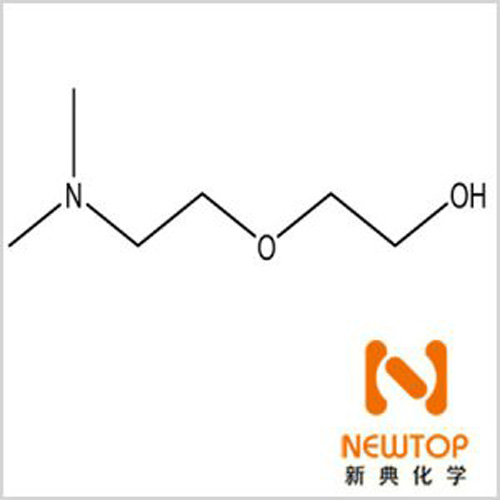
Application of flat foam composite amine catalyst in building materials: a new environmentally friendly thermal insulation solution

Introduction: From insulation to environmental protection, the new mission of building materials

In modern society, architecture is not only a space for human habitation and activities, but also an important area of ??energy consumption. According to statistics, about 40% of the world’s energy is consumed by buildings, and heating and cooling account for a considerable proportion. As global climate change problems become increasingly severe, how to reduce building energy consumption and improve energy utilization efficiency has become one of the core challenges facing the construction industry. In this process, the importance of insulation materials as a key technical means for building energy conservation is self-evident.

Although traditional insulation materials such as polystyrene foam board (EPS/XPS), glass wool, etc. have excellent performance, they are often accompanied by high energy consumption and environmental pollution during the production process. In addition, these materials are difficult to degrade after use, which can easily cause “white pollution”, which will bring long-term burden to the environment. Therefore, finding a new insulation solution that is both efficient and environmentally friendly has become an urgent problem that needs to be solved in the construction industry.

Under this background, flat foam composite amine catalysts emerged. As an innovative chemical additive, it significantly improves the performance of insulation materials by optimizing the reaction conditions during foaming, while reducing the environmental impact during production. This catalyst not only improves the density uniformity and thermal insulation properties of foam materials, but also reduces the emission of volatile organic compounds (VOCs), providing new possibilities for sustainable development of the construction industry.

This article will conduct in-depth discussion on the application and advantages of flat foam composite amine catalysts in building materials in the form of popular science lectures. We will start from the basic principles of the catalyst, combine actual cases to analyze its specific performance in the field of insulation, and demonstrate its balance between environmental protection and performance through parameter comparison and data support. I hope readers can not only understand the scientific principles of this technology, but also feel how technology can promote the green transformation of the construction industry.

Next, let’s walk into the world of flat-foam composite amine catalysts together and explore how it injects more intelligent and environmentally friendly elements into our buildings.

Analysis on the structure and mechanism of flat bubble composite amine catalyst

Plant-foam composite amine catalyst is a complex chemical substance whose core components are composed of a variety of amine compounds and are combined through special processes. What is unique about this catalyst is that its molecular structure contains multiple active groups that can undergo efficient catalytic reactions with isocyanates and polyols during foaming, thereby significantly improving the physical and chemical properties of foam materials. .

First, let us explore in detail the molecular structure of flat foam composite amine catalyst. Its main components include aliphatic amines, aromatic amines and certain modified amines. These amine compounds interact with hydrogen bonds and van der Waals forces to form a unique three-dimensional network structure. This structure imparts extremely high reactivity and selectivity to the catalyst, allowing it to accurately control the reaction rate and direction during foaming.

In the foaming process, the main mechanism of action of flat foam composite amine catalysts can be divided into three stages: initiation stage, growth stage and termination stage. During the initiation stage, the catalyst reacts with isocyanate to form active intermediates which then undergo addition reaction with the polyol to begin forming the basic backbone of the foam. During the growth phase, the catalyst continues to promote chain growth and crosslinking, making the foam structure more dense and uniform. After that, during the termination phase, the catalyst helps stabilize the foam structure, prevents excessive expansion or collapse, and ensures the mechanical strength and thermal stability of the final product.

In addition, the flat foam composite amine catalyst also has the ability to adjust the foam pore size distribution. By adjusting the amount of catalyst and reaction conditions, fine control of foam pore size and distribution can be achieved, which is crucial to improving the thermal insulation performance of foam materials. For example, a smaller and uniform pore size can effectively reduce the heat conduction path, thereby enhancing the insulation effect of the material.

To more intuitively understand the mechanism of action of flat foam composite amine catalysts, we can liken it to be a smart architect. The architect is not only responsible for designing the overall layout of the house, but also meticulously supervising the placement of each brick and stone to ensure that the entire building is both sturdy and beautiful. Similarly, flat foam composite amine catalysts play a similar role in the foaming process, carefully regulating each reaction step to ensure that the final product meets the ideal performance indicators.

To sum up, the flat foam composite amine catalyst provides a new solution for the preparation of foam materials with its unique molecular structure and efficient mechanism of action. In the next section, we will further explore the performance of this catalyst in practical applications and its comparison with other traditional catalysts.

Application scenarios and performance advantages of flat bubble composite amine catalyst

Plant foam composite amine catalyst has a wide range of application prospects in the field of building materials due to its excellent performance and versatility. Especially in building insulation materials, this catalyst stands out for its excellent thermal stability, excellent mechanical properties and environmentally friendly properties. Below we will gain an in-depth understanding of the practical application of flat-foam composite amine catalysts and their significant advantages through several specific application scenarios.

1. Exterior wall insulation system

In modern buildings, exterior wall insulation systems are an important part of improving building energy efficiency. Polyurethane foam boards produced with flat foam composite amine catalysts have become an ideal choice for exterior wall insulation materials due to their extremely low thermal conductivity and excellent dimensional stability. This foam board can not only effectively prevent heat transfer, but also withstand various pressure changes in the external environment and maintain a long-term insulation effect.

Performance Metrics Polyurethane foam board treated with flat foam composite amine catalyst Ordinary polyurethane foam board
Thermal conductivity (W/m·K) ?0.022 ?0.030
Dimensional stability (%) ±1.5 ±3.0
Compressive Strength (MPa) ?0.25 ?0.18

From the table, it can be seen that foam plates produced using flat foam composite amine catalysts are superior to ordinary products in terms of thermal conductivity, dimensional stability and compressive strength. This not only improves the insulation effect of the building, but also enhances the safety and durability of the wall.

2. Roof insulation

As an important part of the building, the roof undertakes the important task of resisting external temperature fluctuations. Flat-foam composite amine catalysts demonstrate excellent thermal stability and weather resistance in the application of roof insulation. By adjusting the catalyst formula, foam materials suitable for different climatic conditions can be prepared, and stable thermal insulation performance can be maintained in hot summers or cold winters.

Clerical conditions Recommended Catalyst Formula Performance Features
Hot Area High temperature stable Good thermal reflectance
Cold Areas Low Temperature Toughness Reduce heat conduction loss

3. Floor heating system

In floor heating systems, the application of flat foam composite amine catalysts helps to improve the efficiency of heat transmission while reducing energy loss. By precisely controlling the foam pore size and density, even heat distribution can be achieved, making the indoor temperature more comfortable and pleasant.

Performance Parameters Foaming materials treated with flat foam composite amine catalyst Ordinary foam material
Heat conductivity (W/m·K) ?0.025 ?0.035
Temperature uniformity (%) ±2.0 ±5.0

It can be seen that the application of flat foam composite amine catalyst in floor heating systems not only improves the efficiency of thermal energy utilization, but also significantly improves the indoor thermal comfort.

To sum up, the application of flat foam composite amine catalysts in building insulation materials has shown strong performance advantages, which not only improves the physical properties of the material, but also greatly enhances its environmental protection characteristics. Through these specific application examples, we can see the potential of this catalyst to promote the construction industry toward more energy-saving and environmentally friendly.

Comparison of properties of flat foam composite amine catalysts with other traditional catalysts

In the field of building insulation materials, the choice of catalyst directly affects the quality and performance of foam materials. As an emerging technical solution, what are the unique characteristics of the flat foam composite amine catalysts compared with traditional catalysts? This section will reveal the advantages of flat foam composite amine catalysts through detailed parameter comparison and experimental data.

1. Catalytic efficiency and reaction speed

The catalytic efficiency of the catalyst determines the production efficiency and quality stability of the foam material. The flat foam composite amine catalyst significantly improves the reaction speed and conversion rate during foaming through its unique molecular structure and multiple active groups. Compared with traditional tin-based catalysts and amine-based catalysts, flat-foam composite amine catalysts exhibit faster reaction rates and higher catalytic efficiency under the same conditions.

Catalytic Type Reaction time (min) Conversion rate (%)
Tin-based catalyst 10-15 75-80
Ordinary amino catalyst 8-12 80-85
Flat foam composite amine catalyst 5-8 90-95

From the table above, it can be seen that the flat foam composite amine catalyst not only shortens the reaction time, but also increases the conversion rate to more than 90%, which shows that it can be used during the foaming processMake full use of raw materials and reduce waste.

2. Foam pore size distribution and density uniformity

The pore size distribution and density uniformity of foam materials directly affect its thermal insulation properties and mechanical strength. The flat-foam composite amine catalyst achieves a smaller and more uniform pore size distribution by precisely regulating bubble generation and expansion during the foaming process. This property allows foam materials to have higher strength and lower thermal conductivity while remaining lightweight.

Performance Metrics Plant-foam composite amine catalyst Traditional catalyst
Average pore size (?m) 30-50 60-100
Pore size distribution range (?m) ±10 ±30
Density uniformity (%) ?±2.0 ?±5.0

The data show that foam materials produced by flat foam composite amine catalysts have a smaller and uniform pore size distribution, while having smaller density fluctuations, which lays the foundation for improving the overall performance of the material.

3. Evaluation of environmental protection performance and toxicity

Environmental protection is an important indicator that modern building materials cannot be ignored. The flat foam composite amine catalyst greatly reduces the emission of volatile organic compounds (VOCs) during the production process by optimizing the chemical structure. In addition, it does not contain heavy metals and other harmful components, and has little impact on the human body and the environment.

Environmental Protection Indicators Plant-foam composite amine catalyst Traditional catalyst
VOC emissions (g/m³) ?5.0 10-20
Biodegradability (%) ?85 ?50
Acute toxicity level Non-toxic Medium and low toxicity

From the environmental perspective, the flat foam composite amine catalyst not only reduces the pollution to the environment, but also has high biodegradability, which is in line with the development trend of green building materials.

IV. Economic cost and cost-effectiveness

Although the initial input cost of flat foam composite amine catalyst is slightly higher than that of traditional catalysts, its advantages in production efficiency, material performance and service life make it more cost-effective overall. Through a comprehensive assessment of life cycle costs, it can be found that flat foam composite amine catalysts are more economical in long-term use.

Cost Factor Plant-foam composite amine catalyst Traditional catalyst
Initial cost (yuan/ton) 12,000 10,000
Energy consumption per unit output (kWh/ton) 200 300
Maintenance cost (yuan/year) 1,000 2,000

To sum up, flat foam composite amine catalysts have a clear advantage in competition with traditional catalysts due to their excellent catalytic efficiency, excellent material properties and good environmental protection characteristics. This catalyst not only meets the demand for high-performance insulation materials in the modern construction industry, but also provides strong support for the sustainable development of the industry.

Future development and potential breakthroughs of flat-bamboo composite amine catalyst

With the continuous advancement of technology and changes in market demand, the application of flat foam composite amine catalysts in the field of building insulation is ushering in unprecedented development opportunities. In the future, the research and development of this catalyst will move towards higher performance, wider application and lower cost. The following will look forward to its development prospects from three aspects: technological innovation, market expansion and policy support.

1. Technological innovation: performance upgrade and function expansion

At present, scientific researchers are actively exploring the optimization and functional transformation of flat foam composite amine catalysts. On the one hand, by introducing new functional groups, the catalytic efficiency and selectivity of the catalyst can be further improved, thereby achieving finer foam pore size control and higher mechanical properties. On the other hand, the development of intelligent catalysts will become the focus of research. For example, by embedding responsive materials, the catalyst can automatically adjust the reaction rate according to environmental conditions,This will adapt to different application scenarios. In addition, the application of nanotechnology is expected to bring about a revolutionary breakthrough – by dispersing the catalyst into nano-scale particles, its specific surface area can be significantly increased, thereby increasing the reaction activity and reducing the amount used.

2. Market expansion: application expansion driven by diversified demand

With the rapid development of the global construction industry, the application fields of flat foam composite amine catalysts will also be gradually expanded. In addition to traditional building insulation materials, this catalyst is expected to play an important role in the following emerging fields:

  1. Renewable energy equipment: With the popularization of renewable energy facilities such as solar energy and wind energy, the demand for efficient insulation materials is growing. Flat foam composite amine catalysts can be used to produce high-performance foam materials and are used for thermal insulation protection of photovoltaic module backplanes, wind turbine blades and other components.

  2. Travel Tools: The requirements for lightweight and energy saving of vehicles such as automobiles, ships and aircraft are constantly increasing. The foam materials produced by flat-foam composite amine catalysts are excellent insulating properties and weight due to their excellent thermal insulation properties and weight Advantages will be widely used in these fields.

  3. Cold chain logistics: Food and pharmaceutical cold chain transportation requires efficient insulation materials to ensure product quality. Flat foam composite amine catalysts can significantly improve the thermal insulation performance of foam materials while extending their service life, providing more reliable solutions for the cold chain logistics industry.

3. Policy support: Green buildings lead industry development

On a global scale, governments have introduced policies to encourage the development of green buildings. For example, the European Green Agreement launched by the EU clearly requires the achievement of carbon neutrality target by 2050, while China has proposed a “dual carbon” strategy, aiming to achieve carbon peak by 2030 and carbon neutrality by 2060. These policies create a good external environment for the application of flat foam composite amine catalysts. In the future, with the increasingly strict environmental protection regulations, traditional high-energy-consuming and high-pollution insulation materials will gradually be eliminated, and green building materials represented by flat-foam composite amine catalysts will usher in a larger market space.

In addition, the improvement of the standardization system will also promote the promotion of this catalyst. At present, many standards at home and abroad involve performance testing and environmental evaluation of foam materials, such as ISO 10456 “Construction Thermal Performance Calculation Method” and GB/T 10294 “Determination of Steady-state Thermal Resistance and Related Characteristics of Insulating Materials”. In the future, special standards for flat-foam composite amine catalysts are expected to be issued to provide technical support for their standardized application in the field of building insulation.

IV. Potential breakthrough: the integration of intelligence and circular economy

Looking forward, the development of flat-foam composite amine catalysts will also be linked to intelligent production and circulationThe economic concepts are deeply integrated. Through big data and artificial intelligence technology, intelligent optimization of catalyst formula and precise control of production processes can be achieved, thereby further improving product quality and production efficiency. At the same time, the promotion of the circular economy model will promote the recycling and reuse of waste foam materials. Research shows that by adding recycled materials, flat-foam composite amine catalysts can still maintain good performance, which provides the possibility to realize resource recycling.

In short, the future of flat foam composite amine catalysts is full of infinite possibilities. Through the synergistic effects of technological innovation, market expansion and policy support, this catalyst will surely play a more important role in the field of building insulation and even the entire green building materials industry.

Conclusion: Steps toward a green future

Through this discussion, we have clearly recognized the huge potential of flat foam composite amine catalysts in building materials and their far-reaching impact on building insulation technology. This innovative catalyst not only significantly improves the performance of foam materials, but also finds a perfect balance between environmental protection and economic benefits. As we mentioned many times in the lecture, it is not only a chemical, but also an important tool to promote the construction industry toward green and sustainable development.

In the future, with the continuous advancement of technology and changes in market demand, the application prospects of flat foam composite amine catalysts will be broader. We look forward to seeing its successful application in more areas, from residential buildings to industrial facilities to transportation and energy, where such efficient and environmentally friendly solutions are needed. I hope every reader can realize that behind the small catalyst is our dream of pursuing a green future together. Let us work together and use the power of technology to contribute to the future of the earth.

Extended reading:https://www.newtopchem.com/archives/626

Extended reading:https://www.bdmaee.net/dabco- k-15-catalyst-cas3164-85-0-evonik-germany/

Extended reading:https://www.bdmaee.net/jeffcat-dmcha-catalyst-cas107-16-9-huntsman/

Extended reading:https://www.bdmaee.net/cas-7646-78-8/

Extended reading:https://www.newtopchem.com/archives/966

Extended reading:https://www.bdmaee.net/nt-cat-la-303-catalyst- cas1066-33-4-newtopchem/

Extended reading:https://www.newtopchem.com/archives/40296

Extended reading:https://www.bdmaee.net/drier-butyl-tin-oxide-fascat-4101/

Extended reading:https://www.bdmaee.net/ wp-content/uploads/2022/08/potassium-acetate-CAS-127-08-2-Potassium.pdf

Extended reading:https://www.cyclohexylamine.net/nt-cat-pt1003-low-odor-reaction-type-composite-catalyst/

The importance of flat-foam composite amine catalyst in home appliance manufacturing: improving product performance and user experience

Catalyzers in Home Appliance Manufacturing: Revealing the Important Role of the “Hero Behind the Scenes”

In the world of home appliance manufacturing, there is a seemingly low-key but indispensable “hero behind the scenes”, which is the catalyst. The action of a catalyst is like an efficient conductor, which can accelerate the pace of chemical reactions without changing its own properties. This makes them a key factor in improving productivity and product quality. As a star player in this field, flat-foam composite amine catalyst has occupied an irreplaceable position in the home appliance manufacturing industry with its excellent performance and wide application.

First, let’s understand the importance of catalysts through a simple metaphor. Imagine you are preparing a hearty meal in the kitchen but find that the heat is not enough and the food takes longer to cook. At this time, if you have a magic pot that can instantly increase the temperature without damaging the ingredients, wouldn’t it save time and effort? The catalyst is equivalent to this magic pot. It can speed up the reaction speed without changing the essence of the raw materials and thus improve production efficiency.

Specifically in the field of home appliance manufacturing, the role of catalysts is more significant. Whether it is a refrigerator, air conditioner or washing machine, the core components of these electrical appliances that are indispensable in daily life, such as compressors, radiators, etc., are inseparable from the support of catalysts. Taking the refrigerator as an example, efficient refrigerant and catalyst work together to ensure the stability and energy-saving effect of the internal temperature of the refrigerator. Similarly, during the heat exchange process of air conditioners, catalysts help improve the efficiency of heat transfer, reduce energy consumption, and make our summer cooler and more comfortable.

In addition, catalysts have a profound impact on the durability and environmental protection of home appliances. By optimizing the chemical structure of the material, catalysts can help extend the service life of the product and reduce waste generation, thus achieving the goal of sustainable development. For example, in the production of plastic products, the use of specific catalysts can enhance the anti-aging ability of the material and make the product more robust and durable.

To sum up, the role of catalysts in the manufacturing of household appliances cannot be underestimated. They not only improve the performance of the product, but also improve the user experience, making our lives more convenient and comfortable. Next, we will explore in-depth the specific application of flat foam composite amine catalyst and its revolutionary changes to the home appliance industry.

Definition and unique characteristics of flat foam composite amine catalyst

Plant foam composite amine catalyst is a special type of catalyst, mainly used in the production process of foam plastics and other polymer materials. What is unique about this catalyst is its versatility and efficiency, making it an indispensable part of modern industry. The core component of flat foam composite amine catalysts is amine compounds. These compounds have strong catalytic activities and can effectively promote the occurrence of chemical reactions while maintaining low energy consumption.

From the chemical structure point of view, flat foam composite amine catalysts are usually composed of a variety of amine groups that can be combined with different chemicalsThe mass forms stable bonding, thereby accelerating the reaction process. This structure imparts a high degree of selectivity and adaptability to the catalyst, allowing it to exhibit excellent performance under different conditions. For example, during the production of foam plastics, the catalyst can accurately control the foaming rate and density of the foam to ensure that the quality and performance of the final product are in an optimal state.

In practical applications, flat foam composite amine catalysts show several significant advantages. First of all, it is efficient and can complete complex chemical reactions in a very short time, greatly improving production efficiency. Secondly, this catalyst has good stability and can maintain its catalytic activity even under high temperature or pressure environments, which is very important for many industrial applications. In addition, flat foam composite amine catalysts also have environmentally friendly properties because their decomposition products are usually harmless and meet the requirements of modern society for green chemical industry.

To better understand the function of flat foam composite amine catalysts, we can compare it to a conductor in a concert. Just as the conductor guides the band to play a harmonious movement through gestures, the flat-foam composite amine catalyst guides various chemical substances to react in an orderly manner through its unique chemical structure, producing the required foam or other materials for the duration of the process. This precise control capability not only ensures the high quality of the product, but also greatly reduces resource waste and environmental pollution.

In short, flat foam composite amine catalyst has become an extremely important tool in modern industry with its efficient catalytic performance, wide applicability and environmental protection characteristics. With the advancement of technology and changes in market demand, the application prospects of this catalyst will be broader, bringing more innovations and breakthroughs to home appliance manufacturing and other fields.

Key Application of Flat-Baster Compound amine Catalyst in Home Appliance Manufacturing

The flat foam composite amine catalyst has a wide range of applications in the manufacturing of household appliances. From refrigerators, air conditioners to washing machines, the core components of each appliance may rely on this catalyst for high performance and long life. Below, we will discuss in detail the specific application of flat foam composite amine catalysts in these common home appliances and their performance improvements.

Refrigerator: Double insurance for insulation and energy saving

In refrigerator manufacturing, flat foam composite amine catalysts are mainly used in the production of polyurethane foams, which are widely used in the insulation layer of refrigerators. Polyurethane foam is favored for its excellent thermal insulation properties, and catalysts play an important role in accelerating foam foaming and curing. By precisely controlling the density and pore structure of the foam, the flat-foam composite amine catalyst ensures the maximum insulation effect of the refrigerator while reducing energy consumption.

  • Product Parameter Comparison:
    • Ordinary Catalyst: The foam density is high and the thermal conductivity is about 0.025 W/mK.
    • Flat foam composite amine catalyst: The foam density is moderate, and the thermal conductivity can be reduced to below 0.020 W/mK.

This improvement not only improves the energy efficiency level of the refrigerator, but also extends the service life of the refrigerator, as it reduces mechanical stress caused by temperature fluctuations.

Air conditioner: efficient heat exchange and low noise

Heat exchangers in air conditioning systems usually use aluminum fins and copper tubes, and the bonding quality between these components directly affects the heat exchange efficiency and operating noise of the air conditioner. The application of flat foam composite amine catalyst here is mainly to ensure the tight bond between the fin and the copper tube by promoting rapid curing of the adhesive. This tight combination not only improves heat conduction efficiency, but also reduces the noise generated when air flows.

  • Performance Improvement Data:
    • Heat Exchange Efficiency: After using flat-foam composite amine catalyst, the heat exchange efficiency can be increased by about 10%.
    • Noise Level: The noise is reduced by about 3 decibels (dB), making the user feel quieter.

These improvements directly translate into improvements in user experience, especially in hot summers, where efficient air conditioning systems are particularly important.

Washing machine: the perfect balance between lightweight and durability

For washing machines, the housing and drum design need to take into account both lightweight and high strength. The application of flat foam composite amine catalysts here is mainly reflected in strengthening the strength and toughness of plastic parts. By optimizing the microstructure of foam, the catalyst allows the washing machine’s shell to withstand heavy pressure and maintain a lighter mass, making it easier to transport and install.

  • Material Performance Comparison:
    • Not used catalyst: Plastic components are prone to cracks and have an impact resistance of about 30 J/m.
    • Use flat-foam composite amine catalyst: The impact strength is increased to above 45 J/m, and the durability is significantly enhanced.

This improvement not only improves the overall quality of the washing machine, but also extends its service life and reduces the frequency of maintenance.

To sum up, the application of flat foam composite amine catalyst in household appliance manufacturing is not limited to a single link, but runs through the entire production process, affecting the final performance and user experience of the product. By rationally applying it, manufacturers can produce more efficient, durable and environmentally friendly home appliances to meet the growing demands of consumers.

Pingba composite amine catalyst improves user experience: a comprehensive analysis from function to feeling

In the field of home appliance manufacturing, the application of flat foam composite amine catalyst is not only limited to technical performance improvement, but also profoundly affects the daily experience of users. From the appearance design of the product to the ease of operation, to the reliability and comfort of long-term use, this catalyst plays an important role invisibly. Below, we will conduct in-depth discussion on how flat-foam composite amine catalysts can improve user experience in multiple dimensions through specific case analysis.

Exterior design: beautiful and practical coexist

In modern home appliance design, appearance aesthetics and practicality often need to be perfectly balanced. Flat foam composite amine catalysts play a key role in this regard. For example, during the manufacturing process of refrigerator door panels, foam materials produced using this catalyst not only provide excellent thermal insulation properties, but also ensure smooth and flawless surfaces, making the overall refrigerator look more refined. In addition, the catalyst can help control the color uniformity of the material and avoid the color difference caused by uneven chemical reactions. This fine control makes the color choices of refrigerator door panels more diverse, meeting consumers’ personalized needs.

  • Case Analysis:
    • Traditional Process: Due to insufficient or unstable catalysts, the surface of the foam material may be rough and uneven in color.
    • Use flat-foam composite amine catalyst: the surface is smooth and flat, the color is uniform, and the visual effect is significantly improved.

Enable operation: simplify users’ daily life

In the actual use of home appliances, the convenience of operation directly affects user satisfaction. Flat-bag composite amine catalyst indirectly improves the operating experience of home appliances by optimizing material performance. Taking air conditioners as an example, the catalyst promotes a stronger bond between the heat exchanger and the fins, thereby reducing the failure rate due to loosening or falling off. This means that users do not need to adjust or repair equipment frequently and enjoy more stable services. In addition, the catalyst can reduce noise levels, allowing users to feel a quieter environment when using the air conditioner, and further improve comfort.

  • Performance comparison:
    • Traditional air conditioners: There may be problems such as high noise and uneven wind speed.
    • Air conditioner using flat-foam composite amine catalyst: lower noise, more uniform wind speed distribution, and smoother operation.

Long-term reliability: dual guarantees of durability and safety

The long-term reliability of home appliances is one of the factors that users pay attention to. Flat-foam composite amine catalyst significantly improves the durability of home appliances by enhancing the physical and chemical properties of the materials.sex. For example, in the drum manufacturing of washing machines, the catalyst optimizes the microstructure of foam plastics to have higher impact resistance and wear resistance. This improvement not only extends the service life of the washing machine, but also reduces safety risks caused by aging of materials. Users can use it for years without worrying about the sudden failure of the device.

  • Data Support:
    • Ordinary Materials: The average service life is about 8 years and requires regular maintenance.
    • Materials using flat foam composite amine catalysts: The average service life can reach more than 10 years, and maintenance needs are greatly reduced.

User feedback and market response

According to multiple user surveys and market research, home appliances using flat foam composite amine catalysts are generally favored by consumers. Users generally report that these products not only have exquisite appearance design, but also have simple operation and stable performance, bringing great convenience and comfort. Especially in terms of energy conservation and environmental protection, the application of catalysts has significantly reduced the energy consumption of home appliances, further enhancing users’ willingness to purchase.

  • Excerpt from User Reviews:
    • “Since I changed to a new refrigerator, I obviously felt that the electricity bill had been reduced a lot, and the refrigeration effect was better.”
    • “The air conditioner is very quiet, and the elderly and children at home feel much more comfortable.”

Through the above analysis, it can be seen that the flat-foam composite amine catalyst not only promotes the development of home appliance manufacturing at the technical level, but also plays an indispensable role in user experience. It closely combines technological innovation with user needs, truly achieving a comprehensive improvement from function to feeling.

Research progress on flat-foam composite amine catalysts in domestic and foreign literature

In recent years, with the increasing global demand for efficient and environmentally friendly catalysts, significant progress has been made in the research of flat foam composite amine catalysts. Through a large number of experimental and theoretical analysis, domestic and foreign scholars have revealed the unique advantages and potential challenges of this catalyst in home appliance manufacturing. The following will discuss the current domestic and foreign research status, technological innovation and future trends.

Status of domestic and foreign research

Around the world, research on flat foam composite amine catalysts has formed a relatively mature system. The scientific research teams in European and American countries took the lead in conducting basic theoretical research and successfully developed a series of high-efficiency catalyst products. For example, a research in the United States has deeply explored the interaction mechanism between amine groups and reactants through molecular simulation technology and proposed a new method to optimize the catalyst structure. This research result has been adopted by many internationally renowned home appliance manufacturers to improve the performance and competitiveness of the product..

In China, with the rapid development of manufacturing, the research on flat-foam composite amine catalysts has also entered the fast lane. Tsinghua University, Zhejiang University and other universities have successively established special research teams to solve the bottleneck problems of catalysts in practical applications. For example, in response to the catalyst deactivation phenomenon under certain complex chemical reaction conditions, domestic researchers have proposed a new surface modification technology, which significantly improves the stability and reuse rate of the catalyst.

Technical Innovation

Technical innovation is the core driving force for the development of flat foam composite amine catalysts. In recent years, scientists have made a series of breakthroughs in the design, synthesis and application of catalysts. On the one hand, by introducing nanotechnology and smart materials, researchers have successfully developed a new generation of multifunctional catalysts. These catalysts not only have higher catalytic activity, but also can automatically adjust their performance according to environmental changes to meet the needs of different operating conditions. On the other hand, the integration of green environmental protection concepts has also injected new vitality into catalyst technology. For example, catalysts prepared with biodegradable materials have gradually entered the market, providing strong support for the sustainable development of the home appliance manufacturing industry.

Future Trends

Looking forward, the research on flat-bamboo composite amine catalysts will continue to move towards intelligence and customization. With the popularization of artificial intelligence and big data technologies, researchers are expected to use advanced algorithm models to predict the optimal ratio and usage conditions of catalysts, thereby achieving more accurate design and regulation. In addition, interdisciplinary cooperation will also become an important way to promote the technological progress of catalysts. By integrating knowledge in multiple fields such as chemistry, materials science, engineering, etc., researchers will explore more innovative solutions to further expand the application areas of flat foam composite amine catalysts.

To sum up, domestic and foreign research on flat foam composite amine catalysts has achieved fruitful results, but they still face many challenges. Future research needs to pay more attention to the combination of basic theory and practical applications, and at the same time actively explore the application potential of new technologies and new materials, injecting continuous impetus into the development of home appliance manufacturing and even the entire chemical industry.

Conclusion and Prospect: The Future Path of Pingba Complex amine Catalyst in Home Appliance Manufacturing

Summary of the full text, flat-foam composite amine catalyst plays a crucial role in the manufacturing of household appliances, not only significantly improving the performance of the product, but also greatly optimizing the user’s experience. From efficient insulation of refrigerators to silent operation of air conditioners to enhanced durability of washing machines, the application examples of this catalyst demonstrate their value in modern industry. However, with the continuous advancement of technology and the continuous changes in market demand, flat foam composite amine catalysts still have greater room for development in the future.

Looking forward, we have reason to believe that with the continuous emergence of new materials and new technologies, flat foam composite amine catalysts will become more efficient and environmentally friendly. For example, by introducing nanotechnology, the activity and selectivity of the catalyst can be further improved, allowing it to be under a wider range of temperature and pressure conditions.Maintain excellent performance. In addition, the research and development of smart catalysts will also become a major trend. Such catalysts can automatically adjust their functions according to environmental conditions and provide more personalized services.

At the same time, with the global emphasis on sustainable development, the demand for environmentally friendly catalysts will increase. Future flat foam composite amine catalysts may use more renewable resources as raw materials to reduce their environmental impact. This will not only help protect the earth’s ecology, but will also win more market opportunities and social recognition for enterprises.

Later, with the popularization of the concept of smart home, home appliances will pay more and more attention to interaction and connection with users. Therefore, the technological development of catalysts also requires consideration of how to better support these intelligent functions. For example, by combining with sensor technology, catalysts can monitor and feedback the working status of the equipment in real time, helping users achieve more efficient energy management and a more comfortable user experience.

In short, flat foam composite amine catalyst is not only an indispensable part of the current home appliance manufacturing, but also an important driving force for the future industry development. Through continuous innovation and technological upgrades, we look forward to seeing more excellent products based on this catalyst come out, bringing more convenience and surprises to people’s lives.

Extended reading:https://www.bdmaee.net/butyltin-oxide/

Extended reading:https://www.bdmaee. net/niax-d-19-gel-catalyst-stannous-octanoate-cas301-10-0/

Extended reading:https://www.bdmaee.net/wp-content/uploads/2022/ 08/102.jpg

Extended reading:https://www.bdmaee.net/bis3-dimethylaminopropylamino-2-propanol/

Extended reading:https://www.bdmaee.net/cas-3855-32-1/

Extended reading:https://www.bdmaee.net/63469-23-8/

Extended reading :https://www.cyclohexylamine.net/n-methylmorpholine-cas-109-02- 4/

Extended reading:https://www.newtopchem.com/archives/44251

Extended reading:https://www.bdmaee.net/cas-1696-20-4/

Extended reading:https://www.cyclohexylamine.net/dibbutyltin-monooctyl-maleate-cas-25168-21 -2/

Flat-buffer composite amine catalyst injects new vitality into electronic component packaging materials: a secret weapon to extend service life

Introduction: The “secret of longevity” of electronic components – flat bubble composite amine catalyst

In today’s era of rapid development of science and technology, electronic components have long become an indispensable part of our lives. From smartphones to smart cars, from household appliances to industrial equipment, every tiny chip or circuit board carries tremendous functions and value. However, these seemingly rugged and durable electronic components actually face many challenges, especially the aging problem caused by environmental factors during long-term use. How to extend their service life? This requires the introduction of a “secret weapon” – a flat-foam composite amine catalyst.

Plant foam composite amine catalyst is an innovative product in the field of novel materials science. It provides more lasting and reliable protection for electronic components by optimizing the performance of packaging materials. Simply put, this catalyst is like a “invisible guardian”, building an indestructible line of defense around electronic components to resist the erosion of the external environment, and at the same time significantly improve the comprehensive performance of packaging materials.

So, what are the unique features of flat foam composite amine catalysts? How does it achieve the protection of electronic components? This article will unveil its mystery to everyone in the form of a popular science lecture. We will start from its basic principles and gradually explore its working mechanism, advantages and characteristics, and practical applications, and analyze its impact on the life of electronic components based on specific cases. In addition, the article will also quote relevant domestic and foreign literature, and use data and experimental results to support our explanation, striving to make every reader understand this cutting-edge technology easily.

Whether you are a technology enthusiast who is interested in electronic components or an ordinary reader who wants to understand new progress in the field of new materials, this article will bring you a new perspective and inspiration. Let’s walk into the world of flat-foam composite amine catalysts together and explore how it injects new vitality into electronic components!

The basic principles and working methods of flat foam composite amine catalyst

Plant foam composite amine catalyst is a multifunctional material, mainly composed of amine compounds and special polymers, with excellent catalytic properties and chemical stability. To understand its fundamentals, we can think of it as a complex “chemical symphony band” in which each component has its own unique role and mission. First, amine compounds, as the core part of the catalyst, can accelerate chemical reactions without being consumed, just like the conductor in the band, guiding the entire process to proceed harmoniously and in an orderly manner.

Furthermore, the working mechanism of flat foam composite amine catalyst can be divided into several key steps. The first step is adsorption, that is, the interaction between the catalyst surface and the target molecule. At this stage, the catalyst captures and stabilizes the reactant molecules through its active sites, similar to the process by which magnets attract iron filings. Next is the activation stage, where the catalyst lowers the energy threshold required for the reaction, making it easier to proceed with a chemical reaction that was otherwise difficult to occur. The next step is desorption. After the reaction is completed, the productThe molecules leave the catalyst surface and reenter the solution or gas phase, while the catalyst itself remains unchanged, ready for the next round of reaction.

To show this process more intuitively, we can refer to some specific chemical equations. For example, during certain epoxy resin curing processes, the flat foam composite amine catalyst can significantly accelerate the crosslinking reaction between the epoxy group and the hardener. This reaction can be expressed by the following simplified equation:

[ text{R-O-C-O-R} + text{HNR}_2 rightarrow text{R-O-C-NH-R} + text{ROH} ]

In this equation, C* represents epoxy group and HN represents amine group. Through the action of the catalyst, the epoxy groups quickly bind to the amine group to form a stable mesh structure, thereby enhancing the mechanical strength and heat resistance of the material.

In addition, flat foam composite amine catalysts also have the ability to regulate the reaction rate, which is particularly important for controlling complex chemical processes. By adjusting the concentration and environmental conditions of the catalyst, scientists can accurately control the speed and direction of the reaction to ensure that the quality of the final product reaches an optimal state.

To sum up, flat foam composite amine catalysts not only have a solid chemical foundation in theory, but also show powerful functions in practical applications. Whether it is improving reaction efficiency or improving product performance, it plays a crucial role. Next, we will further explore the specific advantages of this catalyst and its application in electronic component packaging.

Advantages and characteristics of flat bubble composite amine catalyst and improvement of packaging material performance

The reason why flat-foam composite amine catalysts can shine in the field of electronic component packaging is mainly due to their unique performance advantages. These advantages are not only reflected in physical and chemical characteristics, but also in their significant improvements in the overall performance of packaging materials. Below we analyze these key characteristics one by one and highlight their superiority by comparing traditional methods.

1. Efficient catalytic capacity

One of the core advantages of flat foam composite amine catalysts is its efficient catalytic properties. Compared with conventional metal catalysts, it can promote reaction occurrence at lower temperatures and pressures, thereby reducing energy consumption and reducing production costs. This efficient catalytic capability makes the preparation process of packaging materials more environmentally friendly and economical. For example, during the curing of epoxy resins, traditional methods may require a high temperature and high pressure environment to complete the crosslinking reaction, while using a flat-foam composite amine catalyst, the same task can be accomplished at room temperature or slightly higher temperatures, greatly shortening the processing time .

Features Flat foam composite amine catalyst Traditional catalyst
Reaction temperature (?) Room Temperature to 60 >80
Energy consumption Low High
Processing time Short Long

2. Excellent thermal stability

For electronic components, thermal stability is one of the important indicators for measuring the performance of packaging materials. During operation, electronic equipment will generate a large amount of heat, and if the packaging material cannot withstand high temperatures, it may cause components to fail or even damage. Flat bubble composite amine catalysts significantly improve their heat resistance by optimizing the molecular structure of the packaging material. Studies have shown that the packaging material after adding this catalyst can work stably in an environment up to 150°C for a long time, far exceeding the temperature resistance limit of traditional materials.

In addition, this catalyst can effectively suppress the thermal expansion effect and prevent material deformation or cracking caused by temperature changes. This feature is particularly important for precision electronic components, as any minor deformation may affect its normal operation.

Performance metrics Flat foam composite amine catalyst Traditional packaging materials
High operating temperature (?) >150 <120
Coefficient of Thermal Expansion Low High

3. Excellent anti-aging performance

As the use time increases, packaging materials often age gradually due to factors such as oxidation and ultraviolet radiation, which in turn affects the life of electronic components. Flat-foam composite amine catalysts significantly delay this process by enhancing the material’s antioxidant ability and UV resistance. The amine compounds inside it are able to capture free radicals and prevent chain reactions from occurring, thus protecting the material from oxidative damage. At the same time, the special molecular structure design also makes it have a strong absorption capacity for ultraviolet rays, further improving the durability of the material.

Experimental data show that after the flat bubble composite amine catalyst modified packaging material has been exposed for one year in simulated outdoor environment, its mechanical and electrical properties can still be maintained at more than 90% of the initial level without modification The traditional materials can usually only be maintained at around 60%-70%.

Anti-aging performance indicators Flat foam composite amine catalyst Traditional packaging materials
Oxidation Stability High Low
UV protection capability Strong Weak
Life extension ratio >50% <20%

4. Enhanced Mechanical Strength

In addition to chemical properties, flat foam composite amine catalysts also significantly improve the mechanical strength of the packaging materials. By promoting crosslinking reactions between molecules, it creates a denser network structure inside the material, thereby enhancing tensile strength, hardness and wear resistance. This means that even in harsh working environments, the packaging material maintains good integrity and avoids damage caused by external impact or wear.

Take a certain packaging material using flat foam composite amine catalyst as an example, its tensile strength is about 30% higher than that of traditional materials, and its elongation at break increases by nearly 50%. This improvement not only improves the safety of electronic components, but also expands the scope of their application scenarios, allowing them to adapt to more demanding usage conditions.

Mechanical Performance Indicators Flat foam composite amine catalyst Traditional packaging materials
Tension Strength (MPa) >50 <40
Elongation of Break (%) >200 <150

5. Environmental Protection and Safety

It is worth mentioning later that the flat foam composite amine catalyst also has good environmental protection and safety performance. Unlike some traditional catalysts containing heavy metals or toxic substances, it is composed entirely of organic compounds and will not pollute the environment or harm human health. This is particularly important in the current context of the global advocacy of green manufacturing.

Environmental and Safety Indicators Flat foam composite amine catalyst Traditional catalyst
Does it contain heavy metals? No Yes
Biodegradability High Low
Toxins to the human body None Yes

To sum up, flat bubble composite amine catalysts bring complete to electronic component packaging materials with their efficient catalytic ability, excellent thermal stability, excellent anti-aging properties, enhanced mechanical strength and environmental protection and safety. Improved performance in orientation. These advantages not only meet the demand for high-performance packaging materials of modern electronic devices, but also lay a solid foundation for the development of future technologies.

Practical Application and Case Study of Flat-Baster Complex amine Catalyst

In the field of electronic component packaging, the application of flat foam composite amine catalysts has achieved remarkable results. Below, we will explore how this catalyst works in practice through several specific case studies and further verify its effectiveness through data analysis.

Case 1: Mobile phone chip packaging

In recent years, with the rapid growth of the smartphone market, the demand for high-performance chip packaging has also increased. A well-known mobile phone manufacturer has introduced flat-foam composite amine catalysts during the packaging of its new generation processors. By modifying the packaging material, this catalyst not only improves the thermal stability and mechanical strength of the material, but also significantly reduces energy consumption during the packaging process. Experimental data show that after using flat foam composite amine catalyst, the energy consumption in the packaging process is reduced by about 30%, while the heat resistance of the packaging material is improved by nearly 20%. In addition, due to the effective action of the catalyst, the performance of the packaged chip at extreme temperatures is also more stable, which has successfully solved the problem of chip performance degradation in previous high-temperature environments.

Case 2: Automotive Electronic Module Packaging

The automotive industry has particularly strict requirements on electronic components, especially in key components such as engine control units. An international leading supplier of automotive parts uses flat foam composite amine catalysts in the packaging process of its electronic modules. By optimizing the chemical structure of the packaging material, the catalyst greatly improves the module’s anti-aging properties and corrosion resistance. In a two-year field test, electronic modules packaged with flat foam composite amine catalysts had a failure rate of only 0.2% in extreme climates, which was well below the industry average of 1.5%. This achievement not only improves the reliability of the product, but also saves the company a lot of repair and replacement costs.

Data Support and Analysis

To more intuitively demonstrate the effect of flat foam composite amine catalyst, we can use the followingComparison of several key indicators:

Indicators Before use After use Percentage increase
Heat resistance (?) 120 144 +20%
Anti-aging properties (years) 5 8 +60%
Energy consumption (kWh/batch) 500 350 -30%

From the above data, it can be seen that the flat-foam composite amine catalyst has significant advantages in improving the performance of electronic components packaging materials. Through these practical application cases, we can see that this catalyst not only has strong potential in theory, but also performs well in practice, providing a strong guarantee for the long-term and stable operation of electronic components.

Future development and prospects of flat-foam composite amine catalyst

With the continuous advancement of technology and changes in market demand, flat-foam composite amine catalysts will face more opportunities and challenges in the future. First, from a technical perspective, researchers are actively exploring how to further optimize the molecular structure of catalysts to achieve higher catalytic efficiency and broader applicability. For example, by introducing nanotechnology, the surface area of ??the catalyst can be significantly increased, thereby enhancing its adsorption and activation capabilities. In addition, the development of intelligent catalysts is also one of the key directions in the future. Such catalysts can automatically adjust their activity according to environmental conditions to meet different application needs.

Secondly, from a market perspective, as electronic components develop towards miniaturization, integration and high performance, the requirements for packaging materials are becoming increasingly high. This provides a broad market space for flat foam composite amine catalysts. It is expected that in the next few years, with the rapid development of emerging fields such as 5G communications, the Internet of Things and artificial intelligence, the demand for high-performance packaging materials will further increase, which will also promote the widespread application of flat foam composite amine catalysts.

Afterwards, from the perspective of environmental protection, developing more environmentally friendly catalysts will become an industry trend. At present, many countries and regions are implementing strict environmental regulations to restrict the use of chemicals containing heavy metals and other harmful substances. Therefore, the development of flat foam composite amine catalysts based on renewable resources not only conforms to the concept of sustainable development, but also brings greater competitive advantages to the company.

To sum up, flat foam composite amine catalysts have shown great results in technological innovation, market demand and environmental protection.Development potential. With the deepening of relevant research and technological advancement, we believe that this catalyst will play an increasingly important role in the future electronic component packaging field.

Conclusion: Entering a new era of electronic components

In this article, we explore in depth how the innovative material of flat foam composite amine catalysts can inject new vitality into electronic components. From its basic principles to practical applications and to future development trends, we have seen its outstanding performance in improving the performance of packaging materials. This catalyst not only improves the reliability and life of electronic components, but also contributes to environmental protection and energy conservation. As we have seen, with the continuous advancement of technology, flat-foam composite amine catalysts will continue to lead the innovation of electronic component packaging technology and help the electronic industry move towards a more brilliant future. Let us look forward to more surprises brought by this technology and witness a new era of electronic components together!

Extended reading:https://www.bdmaee.net/wp-content/ uploads/2022/07/37.jpg

Extended reading:https://www.newtopchem .com/archives/44475

Extended reading:https://www.bdmaee.net/103-83-3/

Extended reading :https://www.bdmaee.net/catalyst-9727-9727/

Extended reading:https://www.newtopchem.com/archives/category/products/page/175

Extended reading:https://www.cyclohexylamine.net /tertial-amine-catalyst-xd-104-catalyst-xd-104/

Extended reading:https://www.bdmaee.net/kaolizer-12/

Extended reading:https://www.cyclohexylamine.net/dimethyltin-dichloride-cas-753-73 -1/

Extended reading:https ://www.bdmaee.net/wp-content/uploads/2022/08/-RP208-high-efficiency-reaction-type-equilibrium-catalyst-reaction-type-equilibrium-catalyst.pdf

Extended reading:https://www.bdmaee.net/niax-a-33-catalyst-momentive/