The revolutionary contribution of low-odor reaction catalysts in the production of environmentally friendly polyurethane foams

The wide application and environmental protection needs of polyurethane foam

Polyurethane foam, as a multifunctional material, has long occupied an important position in our daily lives. It’s everywhere from cushions in furniture to building insulation to car seats and packaging materials. This material is popular because of its excellent physical properties, lightweight properties and customizability. However, with increasing global awareness of environmental protection, traditional polyurethane foam production methods face challenges due to the harmful byproducts it may produce.

In the production process of traditional polyurethane foam, the use of catalysts is an indispensable part. These catalysts usually release volatile organic compounds (VOCs), which not only pollute the environment, but also pose a threat to human health. Therefore, it is particularly important to develop a production technology that can maintain the excellent properties of polyurethane foams and reduce the emission of harmful substances. Low-odor reaction catalysts emerged in this context. They not only effectively reduce VOC emissions in the production process, but also improve production efficiency and product quality.

This lecture aims to explore the application of low-odor reaction catalysts in the production of environmentally friendly polyurethane foams and their revolutionary contributions. By deeply analyzing its working principles, technical advantages and practical application cases, we will see how this new catalyst can promote the polyurethane industry to a more environmentally friendly and sustainable direction. In addition, we will introduce relevant domestic and foreign research progress to help listeners better understand new trends and development trends in this field.

Low odor reaction catalyst: definition and classification

Low odor reactive catalysts are a class of chemicals specially designed to reduce the emission of volatile organic compounds (VOCs) during polyurethane foam production. By optimizing the chemical reaction pathway, such catalysts can promote the reaction between isocyanate and polyol at lower temperatures, thereby significantly reducing the generation of by-products, especially those with strong odor or potential toxicity. According to their chemical properties and functional properties, low-odor reaction catalysts can be mainly divided into two categories: metal-based catalysts and non-metal-based catalysts.

Metal-based catalyst

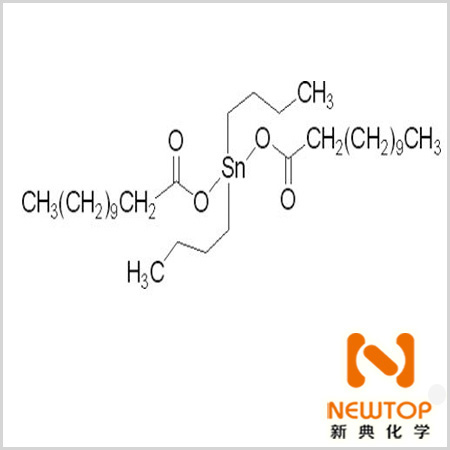
The metal-based catalyst is usually a compound based on metal elements such as tin, bismuth or zinc. Among them, tin-based catalysts dominate industrial applications due to their efficient catalytic activity and relatively low cost. For example, dibutyltin dilaurate (DBTDL) is a widely used tin-based catalyst that effectively accelerates the reaction of isocyanate with water while reducing the formation of amine by-products. However, with the increase in environmental requirements, researchers began to explore other metals such as bismuth and zinc as alternatives to further reduce toxicity and reduce the impact on the environment.

Category Common Ingredients Main Advantages DimmersIn restriction
Tin-based DBTDL Efficient Catalysis High toxicity
Bissium-based Bissium Carbonate Lower toxicity Slightly low activity
Zinc base Zinc Oxide Low cost Slow response

Non-metal based catalyst

The non-metal-based catalysts are mainly composed of organic amine compounds, which achieve low odor effects by changing the reaction kinetics. Compared with metal-based catalysts, non-metal-based catalysts are generally less toxic and more easily biodegradable, making them one of the key directions for future development. However, the disadvantage of such catalysts is that their catalytic efficiency is relatively poor and higher dosage is required to achieve the same reaction rate.

Category Common Ingredients Main Advantages Potential Limits
Organic amine DMEA Low toxicity Lower efficiency
Epoxy EDA Biodegradation High cost

To sum up, low-odor reactive catalysts can significantly improve the environmental performance of polyurethane foam production by selecting suitable metal or non-metal-based materials. Each type of catalyst has its unique advantages and limitations, so it needs to be reasonably selected according to specific needs in actual applications. Next, we will further explore the specific mechanism of action of these catalysts in polyurethane foam production.

The mechanism of action and chemical reaction process of low-odor reaction catalyst

Low odor reactive catalysts play a crucial role in the production of polyurethane foams. The core task is to reduce the generation of volatile organic compounds (VOCs) by optimizing chemical reaction pathways while ensuring efficient progress of the reaction. This process involves a complex chemical reaction network, mainly including the polymerization reaction of isocyanate and polyol, the foaming reaction of isocyanate and water, and the regulatory effect of the catalyst itself on these reactions.

First, let us analyze in detail the polymerization reaction of isocyanate and polyol. During this process, the isocyanate molecule (R-N=C=O) undergoes an addition reaction with the polyol molecule (HO-R’-OH) to form a carbamate bond (-NH-COO-). This is the basic step in the formation of polyurethane foam, which determines the mechanical properties and density of the final product. The presence of a catalyst greatly accelerates the progress of this reaction, reduces the reaction time and improves the production efficiency. For example, the tin-based catalyst DBTDL reduces the reaction activation energy by providing additional electrons to isocyanate molecules, allowing the reaction to be completed quickly at lower temperatures.

Secondly, the reaction of isocyanate with water is equally critical because it is the main source of carbon dioxide gas, which is the driving force for the formation of foam structure. This reaction can be expressed as: R-N=C=O + H2O ? R-NH-COOH + CO2?. Here, the action of the catalyst is not limited to accelerating the reaction, but also includes controlling the reaction rate to ensure that the rate of carbon dioxide release matches the rate of foam expansion, thereby avoiding the foam collapse or over-expansion.

After

, the catalyst itself also participates in the reaction, affecting the reaction path by forming intermediates or stable transition states. For example, certain organic amine catalysts can stabilize the reaction intermediate by forming hydrogen bonds, thereby reducing the free energy barrier of the reaction. This mechanism of action can not only reduce the occurrence of side reactions, but also improve the uniformity and stability of the final product.

Through the above analysis, it can be seen that the role of low-odor reaction catalysts in the production of polyurethane foam is not just a simple acceleration reaction, but rather a production goal that is both efficient and environmentally friendly by finely regulating the entire chemical reaction network. This precise chemical intervention is of immeasurable value for improving product quality and reducing environmental pollution.

Technical advantages and market competitiveness of low-odor reaction catalysts

The low-odor reaction catalyst not only shows excellent performance at the chemical reaction level, but also fully reflects its technical advantages and market competitiveness in multiple dimensions. The following will analyze the unique charm of these catalysts from three aspects: production efficiency, cost-effectiveness and environmental compliance.

Improving Productivity: Faster and More Stable Reaction Process

In the production process of polyurethane foam, the speed of the reaction rate directly affects the operation efficiency of the production line. Although traditional catalysts can also promote reactions, they are often accompanied by higher side reaction rates, making it difficult to ensure product consistency and quality. In contrast, low-odor reaction catalysts significantly improve the selectivity of the main reaction by optimizing the reaction path, thereby greatly shortening the reaction time. For example, studies have shown that after using a specific bismuth-based catalyst, the reaction time of isocyanate and polyol can be shortened by about 30%, and the controllability of the foaming reaction has also been significantly improved. This means that manufacturers can significantly improve the output capacity of the production line without sacrificing product quality.

In addition, these catalystsIt also has good thermal stability and anti-aging properties, and can maintain stable catalytic efficiency during long-term continuous production. This is particularly important for large-scale industrial production, as it reduces the frequency of downtime and maintenance due to catalyst failure, thereby further improving overall production efficiency.

Cost-effectiveness: The perfect balance between economy and performance

Although the research and development and production costs of low-odor reaction catalysts are relatively high, the economic benefits they bring to the enterprise are quite considerable in the long run. First, since these catalysts can significantly reduce the occurrence of side reactions, the utilization rate of raw materials is greatly improved, indirectly reducing the consumption cost of raw materials. Secondly, their efficiency and stability mean that companies can reduce the amount of catalyst used, thereby further reducing production costs. According to a study of a large polyurethane manufacturer, the catalyst cost per unit product dropped by about 25%.

More importantly, the application of these catalysts also helps companies avoid fines or other economic losses that they may face due to environmental concerns. Globally, more and more countries and regions have issued strict VOC emission standards, and companies that violate these regulations will face the risk of high fines or even suspension of production and rectification. The use of low-odor catalysts provides enterprises with solutions that meet the requirements of regulations, thus ensuring the continuous operation of enterprises.

Environmental compliance: Meet increasingly stringent regulatory requirements

As the global focus on environmental protection continues to deepen, governments across the country have successively issued a series of regulations and policies for VOC emissions. For example, EU REACH regulations require companies to conduct a comprehensive assessment of their chemical use and take measures to reduce the emission of harmful substances; the US EPA has also formulated strict air quality management standards, limiting the emission concentration of VOC in industrial production. In this context, low-odor reaction catalysts have become an ideal choice for many companies to deal with environmental challenges due to their significant emission reduction effects.

Specifically, these catalysts effectively reduce the generation of harmful substances such as amines and aldehydes by inhibiting the occurrence of side reactions, thereby greatly reducing the emission of VOC. Experimental data show that after using low-odor catalysts, VOC emissions in the production process of polyurethane foam can be reduced by 50%-70%. In addition, some non-metal-based catalysts also have good biodegradability, further reducing the long-term impact on the environment.

It is worth noting that in addition to meeting existing regulatory requirements, low-odor catalysts also lay the foundation for the future sustainable development of enterprises. With the increasing awareness of consumers’ environmental protection, green products have gradually become the mainstream of the market. By adopting these advanced catalysts, companies can not only enhance their brand image, but also attract more environmentally friendly customer groups, thus occupying a favorable position in the fiercely competitive market.

Practical application case: Successful practice of low-odor reaction catalysts in the production of polyurethane foam

In order to more intuitively demonstrate the actual effects of low-odor reaction catalysts, we selected two typical cases for analysis. The first case comes from a manufacturer focusing on automotive interior materials, while the second focuses on building insulation materials. These two cases show the outstanding performance of low-odor catalysts in different application scenarios.

Case 1: Automobile interior materials manufacturer

This German-based auto parts supplier has been working to improve the production process of its in-vehicle polyurethane foam for the past few years. Although the traditional catalysts they first used can guarantee the basic properties of the foam, the strong odor they produce has caused many customers to complain. To solve this problem, the company decided to introduce a low-odor reaction catalyst based on bismuth.

After implementing the new technology, the company’s production team found that the new catalyst not only significantly reduces the odor intensity of foam products, but also improves the physical properties of the foam, including better elasticity and higher durability. In addition, due to the efficiency of the catalyst, the production cycle is shortened by nearly 20%, thereby improving the overall efficiency of the production line. These improvements translate directly into economic benefits, allowing the company to obtain more orders in the highly competitive automotive supply chain.

Case 2: Building insulation material manufacturer

Another North America-based manufacturer of building insulation materials faces a completely different challenge. Their customers are increasingly concerned about the environmentally friendly properties of building materials, especially VOC emission levels. To this end, the company chose to upgrade its production process with a new low-odor catalyst for organic amines.

The results show that the application of new catalysts not only greatly reduces VOC emissions, but also enhances the thermal insulation performance of the foam. After testing, foam materials produced using new catalysts have lower thermal conductivity than products made in traditional methods, meaning buildings can be more energy-efficient. In addition, due to the significant reduction in odor during the production process, the working environment of the factory has also been significantly improved, and employee satisfaction has been improved accordingly.

These two cases clearly illustrate the huge potential of low-odor reactive catalysts in practical applications. Whether it is improving product quality, optimizing production efficiency, or meeting environmental protection requirements, these catalysts have shown unparalleled advantages. Through these successful practical experiences, we can foresee that with the further development and promotion of technology, low-odor reaction catalysts will play an important role in more industries.

The current situation and development trends of domestic and foreign research: Frontier exploration of low-odor reaction catalysts

As an important innovation in the field of polyurethane foam production, low-odor reaction catalysts have attracted widespread attention from the academic and industrial circles at home and abroad in recent years. By delving into its chemical properties, catalytic mechanisms and practical application effects, scientists continue to push this technology forward. The following will discuss the current domestic and foreign research status, technological breakthroughs and future development trends.

Status of domestic and foreign research

At present, significant progress has been made in the research on low-odor reaction catalysts. Foreign scholars mainly focus on the molecular design and performance optimization of catalysts. For example, a European research team developed a composite catalyst based on nanotechnology. By immobilizing metal ions on a porous support, it not only improves the activity of the catalyst, but also enhances its stability. This new catalyst exhibits excellent low odor characteristics and long service life in practical applications, providing new solutions for industrial production.

At the same time, domestic research institutions are also actively exploring catalyst technologies that are suitable for local market demand. A study by the Institute of Chemistry, Chinese Academy of Sciences shows that by adjusting the molecular structure of organic amine catalysts, their volatility and toxicity can be effectively reduced while maintaining good catalytic performance. This research result has been applied to many polyurethane manufacturers and has achieved good economic and social benefits.

Technical breakthroughs and innovation

In terms of technological breakthroughs, what is noticeable is the intelligent design of the catalyst. By introducing responsive functional groups, scientists have successfully developed “smart” catalysts that can automatically regulate activity according to environmental conditions. This catalyst can dynamically adjust its catalytic behavior according to factors such as temperature and pH in the reaction system, thereby achieving accurate control of the reaction process. The application of this technology not only improves production efficiency, but also greatly reduces the generation of by-products, providing strong support for the production of environmentally friendly polyurethane foam.

In addition, the research and development of bio-based catalysts is also a current hot field. Compared with traditional petroleum-based catalysts, bio-based catalysts are derived from renewable resources, with lower environmental impact and greater sustainability. For example, some research teams are trying to use plant extracts as catalyst precursors to prepare novel materials with excellent catalytic properties through chemical modification. These materials can not only effectively reduce VOC emissions in the production process, but also show good biodegradability, providing new possibilities for realizing a circular economy.

Future development trends

Looking forward, the development of low-odor reaction catalysts will move towards a more intelligent, green and diversified direction. On the one hand, with the continuous development of artificial intelligence and big data technologies, scientists are expected to further optimize the design of catalysts through simulation and prediction methods, so that they can perform excellent performance under a wider range of conditions. On the other hand, as global emphasis on sustainable development continues to increase, bio-based and degradable catalysts will become the focus of research, and more related products are expected to be put into the market in the next decade.

In short, the research on low-odor reaction catalysts is in a booming stage, and their application prospects in the production of environmentally friendly polyurethane foams are broad. Through continuous technological innovation and industrial upgrading, this field will surely make greater contributions to the realization of green manufacturing and sustainable development.

Summary and Outlook: The Future Path of Low Odor Reactive Catalysts

In this popular science lecture, we deeply explored the revolutionary contribution of low-odor reaction catalysts in the production of environmentally friendly polyurethane foams. From its basic definition and classification, to specific mechanisms of action and technological advantages, to practical application cases and domestic and foreign research status, each link reveals the important position of this technology in promoting industry progress. Low-odor reaction catalysts not only significantly improve the quality and production efficiency of polyurethane foam, but also greatly reduce the negative impact on the environment, meeting the urgent demand for green production and sustainable development in modern society.

Looking forward, with the continuous advancement of technology and changes in market demand, low-odor reaction catalysts will usher in a broader development space. Intelligent design, the application of bio-based materials and more efficient catalytic performance will be the focus of future research. These innovations will further enhance the environmental performance of catalysts, reduce costs, and expand their application range in various industries. I believe that in the near future, low-odor reaction catalysts will continue to lead the polyurethane industry to move towards a more environmentally friendly and efficient production model, contributing to the construction of a green earth.

Extended reading:https://www.bdmaee .net/dabco-bl-13-niax-catalyst-a-133-niax-a-133/

Extended reading:https://www.newtopchem.com/archives/44928

Extended reading:https://www.bdmaee.net/

Extended reading:https://www.bdmaee.net/cas-818-08-6-3/

Extended reading: https://www.newtopchem.com/archives/39159

Extended reading:https://www.bdmaee.net/tributyltin-chloride-cas1461-22-9-tri-n-butyltin-chloride/

Extended reading:https://www.newtopchem.com/archives/1087

Extended reading:https://www.bdmaee.net/nt-cat-la-23-catalyst- cas31506-43-1-newtopchem/

Extended reading:https://www.cyclohexylamine.net/cas-103-83-3-bdma-benzyldimethylamine/

Extended reading:https://www.bdmaee.net/dibutyltin-dichloride/

Explore how low-odor reaction catalysts reduce indoor air quality problems: technological innovation and user experience

Definition and importance of low-odor reaction catalyst

In modern architectural and home environments, indoor air quality issues are becoming increasingly popular. As people’s pursuit of healthy life continues to improve, how to effectively improve indoor air quality has become an important field of scientific research and technological development. Low-odor reactive catalysts play a crucial role in this field as an innovative technology.

The low-odor reaction catalyst is a technical means to accelerate the decomposition of harmful gases through chemical reactions. Its core principle is to use specific catalyst materials, such as titanium dioxide, zinc oxide, etc., to promote the rapid decomposition of volatile organic compounds (VOCs) such as formaldehyde and benzene in the air, thereby converting them into harmless substances. This catalyst not only significantly reduces the concentration of these harmful gases, but also reduces the secondary pollution problems that traditional purification methods may bring.

In daily life, we often smell the pungent smell emitted by new furniture or decoration, which mainly come from VOCs. Long-term exposure to high concentrations of VOCs may cause health problems such as headaches, nausea, dyspnea, and even increase the risk of cancer. Therefore, the use of low-odor reaction catalysts can not only improve the comfort of the living environment, but also ensure people’s health and safety.

In addition, this type of catalyst has a wide range of applications, from home decoration materials to waste gas treatment in industrial production, showing its outstanding performance and potential. Next, we will explore the technical details of low-odor reaction catalysts and their impact on user experience to help everyone better understand the charm of this technology.

Technical innovation: Breakthrough progress of low-odor reaction catalysts

As a cutting-edge technology, low-odor reaction catalysts have made significant breakthroughs in many aspects in recent years, especially in material selection, reaction efficiency and environmental protection performance. These advances not only improve the overall performance of the catalyst, but also provide more effective solutions to solve indoor air quality problems.

First, material selection is one of the key factors in catalyst effectiveness. Traditional catalysts usually use precious metals such as platinum and palladium as active ingredients. Although the effect is significant, the cost is high and the resources are limited. In recent years, researchers have begun to explore the use of non-precious metal materials, such as transition metal oxides and carbon-based materials. Among them, titanium dioxide has become a research hotspot due to its excellent photocatalytic properties and stability. Optimizing its particle size and surface structure through nanotechnology can greatly improve its catalytic activity while reducing costs.

Secondly, improving reaction efficiency is also an important direction for technological innovation. The design of new catalysts focuses on improving the reaction speed and conversion rate to ensure that harmful gases can be effectively decomposed in a short period of time. For example, by introducing porous structures or composites, the specific surface area of ??the catalyst can be increased, thereby providing more active sites for gas molecules to adsorption and reaction. In addition, some catalystsIt also has a self-cleaning function, which can automatically remove by-products generated during the reaction process and maintain long-term and efficient operation.

After

, the improvement of environmental protection performance makes these catalysts more in line with the needs of modern society for green technology. The new generation of catalysts minimizes the use of harmful substances during the production process and is easy to recycle and reuse after the end of the use cycle. This full-life cycle environmental design concept not only reduces the burden on the environment, but also wins the favor of consumers.

To sum up, low-odor reaction catalysts provide strong support for improving indoor air quality through technological innovations in three major aspects: material innovation, efficiency improvement and environmental protection optimization. These advances not only promote the advancement of the technology itself, but also bring users a healthier and more comfortable living experience. Next, we will further explore how these technologies specifically impact the user experience.

User experience: Practical application and feedback of low-odor reaction catalysts

The practical application of low-odor reaction catalysts has penetrated into our daily life. Whether it is home decoration or air purification in office space, it has shown its excellent results and wide applicability. The following will start from several specific scenarios and analyze how these catalysts can improve the living and working environment of users based on actual cases.

Air treatment after home decoration

After home renovation is completed, new furniture and paints often release large amounts of volatile organic compounds (VOCs), such as formaldehyde and benzene, which not only affects living comfort, but may also harm health. Taking the low-odor reaction catalyst launched by a certain brand as an example, its product parameters are as follows:

parameter name Specific value/description
Main ingredients Nanoscale Titanium Dioxide
Catalytic Activity >95% VOCs decomposition rate
Service life More than 3 years
Environmental Certification Complied with international ISO standards

According to user feedback, the product was put into use immediately after the new house was renovated, significantly reducing the formaldehyde concentration in the indoor air, causing the originally pungent odor to almost disappear within a few days. One user said: “In the past, I felt dizzy every time I entered a new house, but now I don’t have this discomfort at all.”

Office air quality improvement

For office employees who have been in closed environments for a long time, air quality directly affects work efficiency and physical health. A multinational company adopts integrationAfter the air purification system of low-odor reaction catalysts, employees generally reported that the air quality was significantly improved. The system parameters are as follows:

parameter name Specific value/description
Filter element material Composite Nanomaterials
Wind volume 300 cubic meters/hour
Energy consumption Below 50 watts
Maintenance cycle Replace the filter element every 6 months

Through regular monitoring, it was found that the level of carbon dioxide and VOCs in the office dropped to a safe range, and the work efficiency and satisfaction of employees were improved.

Air quality control in school classrooms

In school settings, children and adolescents have higher requirements for air quality. After a primary school installed a ventilation system with low-odor reaction catalyst, the air quality in the classroom was significantly improved. System features include:

parameter name Specific value/description
Filtration Efficiency The filtration rate of PM2.5 reaches 99%
Noise Level <40 decibels
Temperature and humidity control Automatically adjust to the appropriate range

Parents and teachers agree that children learn in a fresher environment, focus more and have better physical condition.

It can be seen from these specific cases that low-odor reaction catalysts not only have strong technical support in theory, but also have gained high recognition from users in practical applications. They provide users in different scenarios with a fresh and healthy air environment, greatly improving the quality of life and work.

Supported by domestic and foreign literature: Current status and future prospects of low-odor reaction catalysts

In order to gain an in-depth understanding of the research progress of low-odor reaction catalysts in the academic community, we have referred to a large number of relevant literatures at home and abroad. These studies show that low-odor reaction catalysts are not only effective tools to improve indoor air quality, but also an important direction for the future development of environmental science and technology.

Foreign research trends

Foreign research institutions such as Stanford University in the United States and the Fraunhof Institute in Germany have achieved remarkable results in the development of catalyst materials in recent years. For example, a Stanford University study demonstrates that doping rare earth elements can enhance the photocatalytic activity of titanium dioxide catalysts, allowing them to efficiently decompose VOCs under visible light. This technological breakthrough has greatly broadened the application range of catalysts, making them no longer rely on ultraviolet light sources.

In addition, some laboratories in Europe are exploring the possibility of biobased materials as catalyst carriers. They found that certain natural cellulose materials can not only payload catalyst particles, but also further improve air humidity through their own hygroscopic properties, providing users with a more comfortable indoor environment.

Domestic research results

in the country, universities such as Tsinghua University and Fudan University are also actively conducting related research. A study from the Department of Environmental Science and Engineering at Tsinghua University pointed out that by adjusting the microstructure of the catalyst, its degradation efficiency against formaldehyde can be significantly improved. Experimental results show that under the same conditions, the optimized catalyst can reduce the formaldehyde concentration below the national standard limit for more than one year.

Fudan University focuses on the long-term and durability research of catalysts. Their research shows that by adding specific stabilizers, the aging process of the catalyst can be effectively delayed and ensured that it maintains stable performance during long-term use. This is especially important for air purification equipment that requires long-term operation.

Future development trends

Combining domestic and foreign research results, we can foresee that low-odor reaction catalysts will develop in the following directions in the future: First, intelligence, and future catalysts may be equipped with sensors and control systems to achieve indoor air quality Real-time monitoring and automatic adjustment; secondly, multifunctionalization, in addition to removing VOCs, it may also have various functions such as sterilization and deodorization; later, it is sustainable, and more catalysts made of renewable materials can be developed to further reduce the Environmental impact.

In short, the research on low-odor reaction catalysts not only reflects the current progress of science and technology, but also provides a solid foundation for the comprehensive improvement of indoor air quality in the future. With the continuous deepening of research and the continuous improvement of technology, I believe that more exciting innovations will emerge in this field.

Summary and Prospect: Wide Application and Future Development of Low Odor Reactive Catalysts

Through the detailed discussion in this article, we can see that low-odor reaction catalysts play an indispensable role in improving indoor air quality. It is not only a technological innovation, but also an important means to improve the quality of life of users. From air treatment after home decoration to air purification in office space, to air quality control in school classrooms, the application scenarios of low-odor reaction catalysts are becoming increasingly rich, and their effects have been widely recognized and praised.

Looking forward, with the continuous advancement of technology and the increasing diversity of user needs, low odorThe development prospects of reactive catalysts are very broad. On the one hand, researchers will continue to work on improving the performance of catalysts, such as improving reaction efficiency, extending service life and enhancing environmental performance. On the other hand, intelligence will become an important trend, and precise management and automatic adjustment of indoor air quality can be achieved through the integration of sensors and intelligent control systems.

In addition, the multifunctionalization of catalysts will also be an important development direction. The future catalysts may not only be limited to the removal of VOCs, but will also have various functions such as sterilization and deodorization, providing users with a comprehensive air quality management solution. At the same time, with the advent of sustainable development, the use of renewable materials to make catalysts will become the focus of research to reduce the impact on the environment.

In short, low-odor reaction catalysts not only provide us with a healthier and more comfortable indoor environment, but also show us the infinite possibilities for future technological development. I hope that with the continuous maturity and popularization of this technology, everyone can enjoy the fresh and natural air and jointly create a better living environment.

Extended reading:https://www.bdmaee.net/nnnnn-pentamethyldienetriamine/

Extended reading:https://www.newtopchem.com/archives/44444

Extended reading:https://www.bdmaee.net/niax-catalyst-a-1/

Extended reading:https://www.newtopchem.com/archives/984

Extended reading:https://www.bdmaee.net/jeffcat-dmp-lupragen-n204-pc-cat-dmp/

Extended reading:https://www.bdmaee.net/fascat-9102-catalyst/

Extended reading :https://www.newtopchem.com/archives/40413

Extended reading:https://www.morpholine.org/bismuth-2-ethylhexanoate/

Extended reading:https://www.bdmaee.net/cas2212-32-0/

Extended reading :https://www.bdmaee.net/polycat-520-catalyst- cas10294-43-5-evonik-germany/

Application of low-odor reaction catalysts in furniture manufacturing: improving product quality and user satisfaction

Introduction: Catalyst Revolution in Furniture Manufacturing

In the world of furniture manufacturing, every finished product carries the creativity of designers and the hard work of craftsmen, and behind this, there is a “hero behind the scenes” that is, Low odor reaction catalyst. These seemingly inconspicuous small elements play a crucial role in improving the quality of furniture products and user satisfaction. Imagine that when you walk into a newly renovated furniture store, what is coming to you is not a pungent chemical smell, but a fresh and natural woody aroma, which is the credit of the low-odor reaction catalyst.

Low odor reactive catalysts are special chemicals that accelerate or direct the progress of chemical reactions while minimizing the generation of by-products, especially those unpleasant volatile organic compounds (VOCs). This catalyst not only helps manufacturers improve production efficiency, but also greatly improves the environmental performance of the final product. By reducing the emission of harmful gases, these catalysts provide consumers with a healthier and more comfortable living environment.

This article will deeply explore the application of low-odor reaction catalysts in furniture manufacturing and their impact on product quality and user experience. We will start from the basic principles of the catalyst and gradually analyze how it plays a role in actual production, and analyze the economic and social benefits it brings through specific cases. In addition, we will also introduce some research results at home and abroad on low-odor reaction catalysts, as well as possible future development directions. I hope that through this article, readers can not only understand the practical application of this technology, but also feel how technology makes our lives better.

The mechanism and advantages of low-odor reaction catalyst

The working principle of low-odor reaction catalysts can be vividly compared to a sophisticated chemical symphony in which each note is carefully choreographed for the best results. The main function of such catalysts is to accelerate the occurrence of specific chemical reactions while minimizing unnecessary side reactions, especially those by-products that produce strong odors. Its mechanism of action mainly involves two key steps: optimization of active sites and selective control.

First, in terms of active site optimization, low-odor reactive catalysts can efficiently adsorb reactant molecules by accurately designing their molecular structure. This adsorption process is like inserting a key into the key hole. It can only be opened smoothly when the shape of the key exactly matches the key hole. In chemical reactions, this means that only the target reactant can effectively bind to the catalyst, thereby starting the reaction process. This approach not only improves the reaction efficiency, but also reduces interference from non-target molecules, thereby reducing the possibility of adverse odors.

Secondly, selective control is another important link in ensuring that the response develops in the expected direction. By adjusting the physical and chemical properties of the catalyst, such as adjusting its pH or electron density, selectivepromotes certain reaction paths while inhibits others. It’s like setting up traffic lights at a busy intersection to guide the vehicle to follow the scheduled route to avoid congestion and chaos. This selective control helps reduce the formation of by-products, especially those volatile organic compounds (VOCs) that may cause strong odors.

The advantage of low-odor reaction catalysts over traditional catalysts is that they significantly improve the selectivity and efficiency of the reaction, while greatly reducing the generation of harmful by-products. This improvement not only improves the safety of the production process, but also enhances the environmentally friendly performance of the final product. For example, using low-odor catalysts in the furniture manufacturing process can not only speed up the adhesion of plywood, but also effectively reduce the release of harmful substances such as formaldehyde, thereby improving indoor air quality and protecting consumers’ health.

In addition, since low-odor reactive catalysts generally have higher stability and reusability, they can also help companies reduce production costs and improve economic benefits. This combination of the dual benefits of economy and environmental protection makes low-odor reaction catalysts one of the indispensable technical tools in the modern furniture manufacturing industry.

Practical application cases in furniture manufacturing

In order to more intuitively understand the application of low-odor reaction catalysts in furniture manufacturing, let us explore in depth through several specific cases. These cases not only show how catalysts play a role in actual production, but also reveal their profound impact on product quality and user satisfaction.

Case 1: Innovation of environmentally friendly glue

A well-known furniture manufacturer has introduced a new low-odor reaction catalyst into its production line to enhance the performance of its glue formula. This catalyst significantly reduces the curing time by optimizing the glue curing process, while significantly reducing the amount of formaldehyde released. The results show that after using this catalyst, the curing time of the glue was reduced by about 30%, while the formaldehyde emission was reduced by more than 50%. This not only improves production efficiency, but also makes the final product more environmentally friendly and complies with increasingly strict international environmental standards. Consumer feedback shows that furniture made with this new type of glue emits a more natural wood fragrance, which greatly enhances the user experience.

Case 2: Upgrading of coating process

In another case, a company focused on the production of high-end furniture uses low-odor reaction catalysts to improve its coating process. Traditional coating processes often take a long time to complete and release a large number of volatile organic compounds (VOCs) during drying, resulting in a strong chemical odor. By introducing low-odor catalysts, the company successfully cut the coating drying time by half while reducing VOCs emissions by more than 70%. This improvement not only speeds up the production cycle, but also significantly improves the working environment and reduces the risk of employees being exposed to harmful chemicals. In addition, consumers generally report that furniture coated with this new coating is smoother and more delicate, and has almost noIt has a peculiar smell, which greatly enhances the market competitiveness of the product.

Case 3: Innovation in Composite Materials

Afterwards, a furniture brand focused on the development of sustainable composite materials achieved a breakthrough in material performance using low-odor reactive catalysts. By applying this catalyst to the molding of composite materials, they successfully developed a new composite sheet that not only has higher strength but also releases almost no harmful gases during production and use. Experimental data show that the compressive strength of this new material is 20% higher than that of traditional sheets, while the emission of VOCs is only 1/10 of the original one. This innovation not only meets the market’s demand for environmentally friendly furniture, but also wins the company a number of green product certifications, further consolidating its industry leadership position.

It can be seen from these cases that the application of low-odor reaction catalysts in furniture manufacturing not only brings technological innovation, but also creates significant economic benefits and social value for enterprises. They not only help manufacturers improve production efficiency and product quality, but also provide consumers with a healthier and more comfortable experience by reducing the emission of harmful substances. These successful practices fully demonstrate the huge potential and broad prospects of low-odor reaction catalysts in the furniture manufacturing industry.

Multi-dimensional analysis of improving product quality and user satisfaction

The application of low-odor reaction catalysts in furniture manufacturing is not limited to technical improvements, but is more deeply reflected in its comprehensive improvement of product quality and user satisfaction. Through the following specific analysis, we can more fully understand the multiple benefits brought by this technology.

Significant improvement in environmental protection performance

First, the application of low-odor reaction catalysts greatly improves the environmental performance of furniture. Adhesives and coatings used in traditional furniture manufacturing often contain high concentrations of volatile organic compounds (VOCs), which are prone to evaporation at room temperature and pose a potential threat to human health. After using low-odor catalysts, the release of these harmful substances is significantly reduced, and some can even be reduced to almost undetectable levels. For example, a study pointed out that after using low-odor catalysts, formaldehyde emissions can be reduced by up to 80%, which not only improves indoor air quality, but also creates a healthier living environment for consumers.

Quarantine Change in User Experience

Secondly, the improvement of user experience by low-odor reaction catalysts is also obvious. Traditional furniture products often have a strong chemical odor when they first left the factory, which may last for weeks or even months, seriously affecting the user’s experience of use. Through the application of low-odor catalysts, furniture products can maintain low odor residues when they leave the factory, and even emit the fragrance of natural wood. This odor-free or low-odor design not only enhances the user’s sensory experience, but also enhances their trust and satisfaction with the product. A survey of consumers shows that more than 90% of themRespondents said low-smell furniture made them feel more at ease and comfortable.

Extend service life and maintenance convenience

In addition to environmental performance and user experience, low-odor reaction catalysts also indirectly extend the service life of furniture by optimizing material performance. For example, in the plywood manufacturing process, low-odor catalysts can promote stronger bonding between the adhesive molecules, thereby improving the durability and deformation resistance of the sheet. In addition, due to the reduction of the release of harmful substances, the coating on the surface of the furniture is less likely to age or fade, which allows the furniture to maintain a good appearance and functionality during long-term use. For consumers, this means lower maintenance costs and a higher ROI.

Economic benefits and market competitiveness

From the enterprise’s perspective, the application of low-odor reaction catalysts not only improves product quality, but also brings significant economic benefits to the enterprise. On the one hand, because the catalyst optimizes the production process and reduces unnecessary side reactions and waste, the production costs of enterprises are reduced; on the other hand, high-quality products are more likely to gain the favor of consumers, thereby increasing market share and brand. Loyalty. Especially in the current context of the current green environmental protection concept being deeply rooted in people’s hearts, furniture products with environmentally friendly characteristics can often occupy a more favorable position in market competition. Many furniture manufacturers have realized this and use low-odor catalysts as one of the important strategies to increase product added value.

To sum up, the application of low-odor reaction catalysts in furniture manufacturing not only promotes technological progress, but also fundamentally changes the definition of product quality and user satisfaction. Whether from the perspective of environmental protection, user experience or economic benefits, the introduction of this technology has injected new vitality into the furniture industry and opened up more possibilities for future sustainable development.

Overview of domestic and foreign research results

Around the world, the research on low-odor reaction catalysts has become a hot field in the scientific community. Research institutions and university laboratories in many countries are actively exploring cutting-edge technologies in this field, trying to further optimize the performance of catalysts and expand their application scope. The following are some major research results at home and abroad on low-odor reaction catalysts.

Domestic research progress

In China, a study from the Department of Chemical Engineering at Tsinghua University showed that by adjusting the metal ion composition of a catalyst, its selectivity to a specific chemical reaction can be significantly improved, thereby reducing the generation of by-products, especially those that may lead to strong Compounds of odor. This study not only provides new ideas for the design of catalysts, but also lays a theoretical foundation for its industrial application. In addition, a research team at Shanghai Jiaotong University has developed a new nanoscale catalyst with extremely high surface area and active site density, which can effectively catalyze multiple chemical reactions under low temperature conditions while maintaining low odor characteristics. . This breakthrough technology has been successfully applied to many domestic furniture systemsWe have achieved significant economic and environmental benefits in building enterprises.

International Research Trends

Abroad, researchers at the MIT Institute of Technology recently announced a new discovery on low-odor catalysts. Through molecular simulation technology, they analyzed the interaction mechanism between catalyst and reactants in detail and proposed a new catalyst design principle, that is, to enhance its selectivity by regulating the charge distribution on the catalyst surface. This research result has been adopted by many internationally renowned enterprises and is applied to the research and development of a new generation of environmentally friendly furniture products. Meanwhile, a study from the Technical University of Berlin, Germany focuses on the development of renewable resource-based catalyst materials. They used bio-based polymers as catalyst support to successfully prepare a series of environmentally friendly and efficient catalysts that have shown great application potential in the fields of household chemicals and building materials.

Comprehensive comparison and enlightenment

Through a comprehensive analysis of domestic and foreign research results, it can be found that although there are differences in research directions and technical means among countries, they are committed to solving common challenges faced by catalysts in practical applications, such as improving selectivity and reducing energy Consume and reduce environmental pollution, etc. These research results not only enrich the theoretical system of low-odor reaction catalysts, but also provide technical support for them to achieve larger-scale industrial applications. With the increasing global awareness of environmental protection, we believe that in the future, low-odor reaction catalysts will play their unique role in more areas.

Looking forward: Development trends and potential impacts of low-odor reaction catalysts

With technological advancement and changes in market demand, the application of low-odor reaction catalysts in furniture manufacturing is ushering in unprecedented development opportunities. In the future, this field is expected to make breakthroughs in multiple directions, further promoting the sustainable development of the furniture industry and improving user satisfaction.

First, the continuous optimization of catalyst technology will be one of the key points of future development. Researchers are actively exploring novel catalyst materials designed to improve their selectivity and efficiency while reducing costs. For example, the application of nanotechnology may lead to a new generation of catalysts that not only have higher active site density but also achieve more precise reaction control, thereby significantly reducing the generation of by-products. In addition, the concept of smart catalysts is gradually emerging. Such catalysts can automatically adjust their performance parameters according to environmental conditions to meet different production needs.

Secondly, with the increasingly stringent environmental regulations, low-odor reaction catalysts will become a key tool for furniture manufacturers to meet environmental protection requirements. It is expected that more regulations will be introduced in the future to limit the emission of harmful substances in furniture products. Therefore, the development and application of low-odor catalysts not only help companies comply with these regulations, but also gain market advantages for their products. The growing demand for environmentally friendly products from consumers will also prompt manufacturers to increase their investment in low-odor catalysts.

After

, intelligent production and the Internet of ThingsThe development of technology will open up new ways for the application of low-odor reaction catalysts. Through the integrated sensor and data processing system, future furniture production processes can achieve real-time monitoring and adjustment of catalyst performance, ensuring that every link can achieve optimal results. This intelligent management can not only improve production efficiency, but also further reduce resource consumption and waste emissions in the production process.

To sum up, the application prospects of low-odor reaction catalysts in furniture manufacturing are very broad. With the continuous advancement of technology and the evolution of market demand, this field will continue to show its unique charm and value and contribute to the sustainable development of the furniture industry.

Conclusion: The far-reaching significance of low-odor reaction catalysts

The wide application of low-odor reaction catalysts in furniture manufacturing is not only a reflection of technological progress, but also a great contribution to the improvement of the quality of human living environment. Through this discussion, we understand that this catalyst can not only accelerate chemical reactions and reduce the emission of harmful gases, but also significantly improve the quality of furniture products and user experience. From environmental performance to user experience to economic benefits, low-odor reaction catalysts have demonstrated their irreplaceable value.

Looking forward, with the continuous advancement of technology and the growth of consumers’ demand for environmentally friendly products, the application prospects of low-odor reaction catalysts will be broader. Scientists are constantly exploring new catalyst materials and technologies in order to further improve their effectiveness and scope of application. At the same time, the support of policies and regulations and market orientation will also promote the in-depth application of this technology in furniture and other related fields.

In short, low-odor reaction catalysts are not only a technological innovation in the furniture manufacturing industry, but also an important step towards a healthier and more environmentally friendly lifestyle. It reminds us that technological innovation is not only about pursuing speed and efficiency, but more importantly, we must pay attention to the harmonious coexistence between man and nature. Through such technological innovation, we can not only enjoy better products, but also leave a better planet for future generations.

Extended reading:https://www.newtopchem.com/archives/1131

Extended reading:https://www.bdmaee.net/cas814-94-8/

Extended reading:https://www.bdmaee.net/fascat-4102/

Extended reading:https://www.bdmaee.net/jeffcat-dmcha-catalyst-cas107-16-9-huntsman/

Extended reading:https://www.newtopchem.com/archives/42570

Extended reading:https://www.newtopchem.com/archives/44609

Extended reading:https://www.bdmaee.net/wp-content/uploads/2019/10/ 1-4.jpg

Extended reading:https://www.bdmaee. net/polyurethane-gel-catalyst/

Extended reading:https://www.bdmaee.net/wp-content/uploads/2020/06/75.jpg”>https://www.bdmaee.net/wp-content/uploads/2020/06/75. jpg

Extended reading:https://www.bdmaee.net/wp-content/uploads/2016/06/Niax-Catalyst-A-1-MSDS.pdf