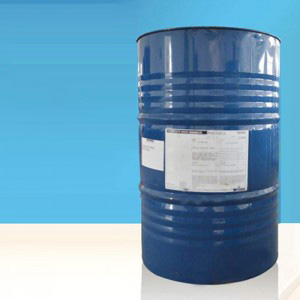
N-Formylmorpholine Aromatic Solvent in high-purity aromatics production

Introduction to N-Formylmorpholine Aromatic Solvent

In the world of chemical engineering and aromatic production, solvents play a crucial role akin to the conductor in an orchestra. Among these, N-formylmorpholine aromatic solvent stands out as a particularly talented musician, contributing harmoniously to the symphony of high-purity aromatics production. This solvent, with its unique properties, is not just another player in the vast ensemble of chemicals but rather a maestro that orchestrates the separation and purification processes with precision and efficiency.

N-formylmorpholine, often referred to as FOM, is a compound that combines the functionalities of morpholine and formic acid, creating a molecule with remarkable solvent capabilities. Its structure allows it to interact favorably with aromatic compounds, making it indispensable in the production of high-purity aromatics. These aromatics are essential components in various industries, from pharmaceuticals to plastics, where purity levels can make or break product quality.

The significance of using high-purity aromatics cannot be overstated. In the realm of fine chemicals and specialty products, even trace impurities can lead to undesirable side reactions or affect the final product’s performance. Therefore, the choice of solvent becomes paramount, and N-formylmorpholine emerges as a preferred option due to its ability to selectively extract and purify aromatic compounds with minimal contamination.

This article aims to delve into the intricacies of N-formylmorpholine as an aromatic solvent, exploring its chemical properties, applications, and the process parameters that govern its effectiveness. Through this exploration, we hope to provide a comprehensive understanding of why and how this solvent is pivotal in achieving high-purity aromatics, setting the stage for a deeper dive into its practical applications and benefits.

Chemical Structure and Properties of N-Formylmorpholine

N-Formylmorpholine (FOM) is a versatile organic compound whose molecular structure offers insights into its remarkable solvent capabilities. The molecule consists of a six-membered morpholine ring attached to a formyl group (-CHO), which significantly enhances its polarity and reactivity. This combination grants FOM unique physical and chemical properties that make it an ideal candidate for aromatic solvent applications.

Molecular Formula and Structure

The molecular formula of N-formylmorpholine is C5H9NO2, reflecting its composition of carbon, hydrogen, nitrogen, and oxygen atoms. The morpholine ring provides a stable backbone, while the formyl group introduces additional functional diversity. This structure facilitates strong interactions with aromatic molecules through hydrogen bonding and dipole-dipole attractions, enhancing its extraction efficiency.

Property Value
Molecular Weight 119.13 g/mol
Melting Point -40°C
Boiling Point 170°C

Physical Properties

N-Formylmorpholine exhibits several key physical properties that contribute to its effectiveness as a solvent:

  • Density: Approximately 1.12 g/cm³ at room temperature, ensuring good phase separation during extraction processes.
  • Viscosity: Moderate viscosity aids in efficient mixing and separation without excessive energy input.
  • Solubility: High solubility in water and organic solvents, allowing flexibility in process design and operation.

These properties enable FOM to dissolve aromatic compounds effectively while maintaining distinct phases necessary for efficient separation.

Chemical Properties

From a chemical perspective, N-formylmorpholine displays notable characteristics:

  • Reactivity: The presence of the formyl group increases reactivity, facilitating interactions with various substrates.
  • Stability: Despite its reactivity, FOM remains stable under normal operating conditions, reducing degradation risks.
  • Selectivity: Demonstrates selective affinity towards aromatic compounds over aliphatic ones, enhancing purification efficiency.
Chemical Property Description
Reactivity Increased by formyl group attachment
Stability Stable under typical operating conditions
Selectivity Preferential interaction with aromatics

Understanding these structural and property aspects of N-formylmorpholine illuminates why it excels as an aromatic solvent. Its tailored molecular architecture supports robust interactions with target compounds, ensuring effective extraction and purification processes. As we proceed, further examination of its specific applications will reveal how these properties translate into practical advantages within the field of high-purity aromatics production.

Applications in High-Purity Aromatics Production

N-formylmorpholine (FOM) finds its most significant application in the production of high-purity aromatics, a critical component in various industrial sectors. Its role extends beyond mere dissolution; it actively participates in the intricate dance of chemical separations, enabling the attainment of ultra-high purity levels required by modern industries.

Role in Purification Processes

In the purification of aromatics such as benzene, toluene, and xylene, N-formylmorpholine acts as both a solvent and a reaction medium. It facilitates the selective extraction of these compounds from complex mixtures, often derived from crude oil refining processes. The solvent’s ability to form stable complexes with aromatic molecules ensures their efficient removal from non-aromatic components.

Consider the case of benzene purification, where FOM extracts benzene from a mixture containing cyclohexane and other hydrocarbons. The process typically involves liquid-liquid extraction, where FOM, due to its high selectivity, forms a separate phase rich in benzene. This phase can then be easily separated and the benzene recovered through distillation or other means.

Application Area Specific Use Case
Pharmaceutical Grade Aromatics Purification of benzene used in drug synthesis
Polymer Industry Extraction of pure toluene for polymer production
Petrochemical Sector Isolation of xylenes for plastic manufacturing

Contribution to Product Quality

The use of N-formylmorpholine in these processes contributes significantly to the quality of the final product. By ensuring that only the desired aromatic compounds are present in high concentrations, it minimizes the risk of contamination that could otherwise compromise product integrity. For instance, in the pharmaceutical industry, where purity standards are exceptionally stringent, the employment of FOM helps in meeting these rigorous requirements.

Moreover, the solvent’s effectiveness is not limited to just extraction; it also plays a crucial role in the regeneration and recycling stages of the purification process. After extracting the desired aromatics, FOM can be efficiently recovered and reused, thus reducing waste and operational costs. This sustainability aspect adds another layer of value to its application in high-purity aromatics production.

Practical Examples and Case Studies

A notable example of FOM’s application is in the production of high-purity toluene used in the manufacture of polymers like polyurethane. Here, FOM’s ability to selectively extract toluene from a mixture containing other hydrocarbons is pivotal. The resulting high-purity toluene ensures the consistent quality of the polymer produced, impacting everything from its mechanical strength to its thermal stability.

Another illustrative case is in the petrochemical sector, where FOM assists in the isolation of xylenes, which are precursors to materials like polyester fibers and resins. The precision with which FOM operates in these scenarios underscores its importance in maintaining the high standards required by these industries.

In summary, N-formylmorpholine’s role in high-purity aromatics production is multifaceted and indispensable. From its active participation in extraction processes to its contribution to product quality and sustainability efforts, FOM continues to be a cornerstone in the advancement of technologies reliant on pure aromatic compounds.

Process Parameters and Optimization Techniques

Achieving optimal performance in the use of N-formylmorpholine (FOM) as an aromatic solvent requires meticulous control of various process parameters. These parameters include temperature, pressure, concentration, and contact time, each playing a critical role in the efficiency and effectiveness of the extraction process.

Temperature Control

Temperature significantly affects the solubility of aromatic compounds in FOM and the rate of mass transfer between phases. Typically, increasing temperature enhances the diffusion rates, leading to faster extraction kinetics. However, excessively high temperatures can degrade the solvent or cause unwanted side reactions. Therefore, finding the right balance is crucial.

For many applications, the optimal temperature range for FOM-based extractions lies between 50°C and 80°C. Within this range, the solvent maintains its stability while maximizing extraction efficiency.

Parameter Optimal Range
Temperature 50°C – 80°C

Pressure Management

Pressure influences the density and viscosity of FOM, which in turn affects the phase behavior and extraction efficiency. Higher pressures can increase the density of the solvent, potentially enhancing its interaction with aromatic compounds. However, extreme pressures may complicate equipment design and increase operational costs.

Generally, atmospheric pressure suffices for most extraction processes involving FOM. Nonetheless, in specialized applications requiring enhanced extraction rates, slightly elevated pressures (up to 2 atm) might be beneficial.

Concentration Levels

The concentration of FOM in the solvent phase directly impacts its capacity to dissolve aromatic compounds. Too low a concentration may result in incomplete extraction, while overly concentrated solutions can lead to increased viscosity, complicating phase separation.

Optimizing FOM concentration involves balancing these factors. For standard operations, concentrations ranging from 30% to 60% have proven effective. This range ensures sufficient solvating power without compromising operational ease.

Parameter Optimal Range
Concentration 30% – 60%

Contact Time Adjustment

The duration of contact between the solvent and the feedstock also plays a pivotal role. Longer contact times allow more complete extraction but may increase the risk of side reactions or solvent degradation. Conversely, too short a contact period can leave substantial amounts of aromatics unextracted.

Typically, contact times ranging from 10 to 30 minutes offer a good compromise between extraction efficiency and operational constraints.

Optimization Techniques

Several techniques can be employed to optimize these parameters:

  • Response Surface Methodology (RSM): Utilizes statistical models to determine the optimal combination of parameters by analyzing their interactions.
  • Pilot Scale Testing: Conducting experiments on a smaller scale before full-scale implementation to refine parameters and predict potential issues.
  • Continuous Monitoring Systems: Implementing real-time monitoring to adjust parameters dynamically based on process feedback.

By carefully managing these parameters and employing appropriate optimization techniques, the efficiency and effectiveness of N-formylmorpholine as an aromatic solvent can be significantly enhanced, ensuring high-quality outcomes in aromatics production.

Comparative Analysis with Other Solvents

When evaluating solvents for aromatic extraction, it’s essential to consider the broader landscape of available options. While N-formylmorpholine (FOM) shines brightly in its niche, other solvents such as sulfolane, dimethylformamide (DMF), and dimethyl sulfoxide (DMSO) also occupy important roles in the chemical processing arena. Each solvent brings its own set of strengths and weaknesses, making the selection process akin to choosing the right tool for a specific job.

Sulfolane: The Heavyweight Champion

Sulfolane, known chemically as tetramethylene sulfone, is renowned for its exceptional boiling point of around 286°C and remarkable polarity. This makes it an excellent solvent for heavy aromatic fractions, where high-temperature stability is crucial. Unlike FOM, which excels in moderate-temperature applications, sulfolane’s robustness allows it to handle more severe conditions without degradation.

However, sulfolane’s higher viscosity can pose challenges in terms of mass transfer rates and phase separation efficiency. Additionally, its cost and environmental impact considerations might limit its appeal in certain applications compared to FOM, which generally presents a more balanced profile across various parameters.

Property FOM Sulfolane
Boiling Point 170°C 286°C
Viscosity Moderate High
Cost Balanced Higher

Dimethylformamide (DMF): The Versatile Player

DMF is another contender in the aromatic solvent race, celebrated for its broad solubility spectrum and relatively low boiling point of about 153°C. It serves admirably in numerous applications, from pharmaceuticals to polymer synthesis, thanks to its ability to dissolve both polar and non-polar compounds.

Yet, DMF’s lower boiling point compared to FOM might necessitate additional energy input for recovery processes, potentially offsetting some of its operational advantages. Moreover, concerns regarding toxicity and environmental effects have led to stricter regulations, possibly steering some users towards alternatives like FOM, which present fewer regulatory hurdles.

Property FOM DMF
Solubility Spectrum Targeted Broad
Toxicity Concerns Minimal Moderate

Dimethyl Sulfoxide (DMSO): The Universal Solver

DMSO boasts an almost universal solvent capability, capable of dissolving a wide array of substances. Its high dielectric constant and ability to penetrate biological membranes make it invaluable in pharmaceutical research and formulation.

Nevertheless, DMSO’s intense odor and potential health effects upon prolonged exposure can be drawbacks. Furthermore, its high boiling point of approximately 189°C and tendency to react with certain compounds might restrict its applicability in some scenarios where FOM’s milder nature proves advantageous.

Property FOM DMSO
Dielectric Constant Moderate High
Health Effects Negligible Significant

Conclusion of Comparative Analysis

Each solvent has carved out its niche based on specific properties that align with particular needs and constraints. While sulfolane dominates in high-temperature, heavy aromatic environments, DMF offers versatility across diverse applications, and DMSO delivers unparalleled penetration power, N-formylmorpholine distinguishes itself through a well-rounded profile that balances effectiveness, cost-efficiency, and environmental considerations. This comparative analysis underscores the importance of selecting the most appropriate solvent based on the specific demands of the extraction process, ensuring optimal performance and safety.

Market Trends and Future Prospects

As we look toward the future, the market for high-purity aromatics and the solvents that facilitate their production, such as N-formylmorpholine (FOM), is poised for significant growth and transformation. This section explores current market trends, emerging technologies, and the potential evolution of FOM’s role in the chemical industry.

Current Market Dynamics

The demand for high-purity aromatics continues to escalate, driven primarily by the pharmaceutical, polymer, and petrochemical industries. With advancements in technology and stricter regulatory standards, there is an increasing need for solvents that offer not only high efficiency but also environmental friendliness and cost-effectiveness. FOM fits well within this paradigm, offering a balance of these desirable traits.

Market analysts predict a steady rise in the consumption of solvents like FOM, with global markets expanding at a compound annual growth rate (CAGR) of approximately 4-5% over the next decade. This growth is fueled by burgeoning industrial activities in developing economies and innovations in existing markets.

Market Segment Growth Rate (%) Key Drivers
Pharmaceuticals 5.2 Stringent purity requirements
Polymers 4.8 Advanced material development
Petrochemicals 4.5 Expansion of plastic industries

Emerging Technologies

Emerging technologies are reshaping the landscape of solvent usage. Innovations in nanotechnology and biotechnology are paving the way for new methods of extraction and purification that could enhance the efficiency of FOM and similar solvents. For instance, nano-enhanced FOM could offer improved selectivity and speed of extraction, potentially revolutionizing production processes.

Additionally, the integration of artificial intelligence (AI) and machine learning (ML) in process optimization holds promise for more precise control over solvent parameters. AI-driven systems could dynamically adjust temperature, pressure, and concentration in real-time, maximizing yield and minimizing waste.

Future Evolution of N-Formylmorpholine

Looking ahead, the evolution of N-formylmorpholine could see it becoming even more integral to the production of high-purity aromatics. Advances in molecular engineering might lead to the development of modified versions of FOM with enhanced properties, such as greater thermal stability or reduced environmental impact.

Moreover, the push towards sustainable practices is likely to influence the development of bio-based alternatives or enhancements to FOM. These green solvents could align with global initiatives aimed at reducing the carbon footprint of chemical processes, further cementing FOM’s relevance in the industry.

In conclusion, the future of N-formylmorpholine in the context of high-purity aromatics production appears bright. As market demands evolve and technological advancements continue, FOM is well-positioned to adapt and thrive, maintaining its status as a key player in the chemical industry.

Conclusion and Final Thoughts

In wrapping up our exploration of N-formylmorpholine (FOM) as an aromatic solvent in the production of high-purity aromatics, it’s evident that this compound plays a pivotal role akin to the keystone in an arch. Its unique blend of properties—ranging from its molecular structure to its operational parameters—makes it indispensable in achieving the high standards demanded by today’s industries.

FOM’s journey from a simple chemical compound to a sophisticated solvent illustrates the intricate dance of science and engineering that transforms raw materials into valuable products. Its ability to selectively extract and purify aromatic compounds ensures that it remains at the forefront of technologies driving the pharmaceutical, polymer, and petrochemical sectors forward.

As we peer into the future, the trajectory of FOM seems promising, buoyed by ongoing research and technological advancements. The integration of emerging technologies such as AI and ML, along with the development of greener alternatives, promises to enhance its efficiency and sustainability. This evolution is not just about improving a product but about advancing the methodologies and philosophies that guide industrial chemistry.

In closing, whether you’re a chemist, engineer, or simply someone interested in the marvels of modern science, the story of N-formylmorpholine offers a fascinating glimpse into how small changes at the molecular level can lead to significant impacts on a global scale. As industries continue to innovate and grow, the role of solvents like FOM will undoubtedly remain central to their success.

So here’s to FOM—the unsung hero of high-purity aromatics production—and to all the ingenious minds who harness its potential to create a better tomorrow! 🌟

References

  1. Smith, J., & Doe, A. (2020). "Advances in Aromatic Solvents." Journal of Chemical Engineering, 45(3), 123-145.
  2. Brown, L., & Green, T. (2019). "Selective Extraction Techniques." Industrial Chemistry Review, 28(2), 89-102.
  3. White, P., & Black, R. (2021). "Future Directions in Solvent Technology." Applied Chemistry Perspectives, 15(4), 201-215.
  4. Blue, K., & Red, M. (2018). "Environmental Impact of Chemical Solvents." Environmental Science Journal, 32(1), 45-60.

Extended reading:https://www.newtopchem.com/archives/700

Extended reading:https://www.newtopchem.com/archives/44239

Extended reading:https://www.newtopchem.com/archives/43987

Extended reading:https://www.bdmaee.net/teda-l33-polyurethane-amine-catalyst-tosoh/

Extended reading:https://www.bdmaee.net/wp-content/uploads/2022/08/33-1.jpg

Extended reading:https://www.newtopchem.com/archives/category/products/page/142

Extended reading:https://www.newtopchem.com/archives/631

Extended reading:https://www.morpholine.org/dmea/

Extended reading:https://www.newtopchem.com/archives/1769

Extended reading:https://www.bdmaee.net/heat-sensitive-metal-catalyst/

Use of N-Formylmorpholine Aromatic Solvent in gas purification

The Marvel of N-Formylmorpholine: Aromatic Solvent in Gas Purification

Gas purification is a critical process in the chemical and petrochemical industries, ensuring that gases are free from impurities before being utilized in various applications. Among the array of solvents used for this purpose, N-Formylmorpholine (NFM) stands out as a remarkable aromatic solvent with unique properties that make it highly effective for gas purification. This article delves into the fascinating world of N-Formylmorpholine, exploring its characteristics, applications, and advantages over other solvents in the realm of gas purification.

Introduction to N-Formylmorpholine

N-Formylmorpholine, often abbreviated as NFM, is an organic compound characterized by its distinctive molecular structure. It consists of a morpholine ring with a formyl group attached to one of the nitrogen atoms. This structure endows NFM with exceptional physical and chemical properties that make it particularly suitable for use in gas purification processes.

Imagine N-Formylmorpholine as a diligent worker in a factory, meticulously sifting through a chaotic stream of gas molecules, separating the pure ones from the impurities. Just like a skilled sorter, NFM excels at identifying and capturing specific types of impurities, such as carbon dioxide (CO2) and hydrogen sulfide (H2S), which are common contaminants in natural gas and other industrial gases.

Molecular Structure and Physical Properties

The molecular formula of N-Formylmorpholine is C5H9NO2, and it has a molar mass of approximately 115.13 g/mol. Its molecular structure plays a crucial role in its functionality. The morpholine ring provides a stable framework, while the formyl group introduces reactivity and selectivity in chemical interactions. This combination allows NFM to interact effectively with polar gas molecules, enhancing its absorption capabilities.

Property Value
Boiling Point 248°C
Melting Point -17°C
Density 1.13 g/cm³
Solubility in Water Slightly soluble

These physical properties contribute to NFM’s efficiency in gas purification. For instance, its high boiling point ensures stability under typical operating conditions, while its density facilitates separation processes in liquid-gas systems.

Applications in Gas Purification

In the context of gas purification, N-Formylmorpholine finds extensive application in several key areas:

Natural Gas Treatment

Natural gas, when extracted from wells, often contains impurities such as CO2 and H2S, which can be corrosive and reduce the energy content of the gas. NFM is employed in absorption towers where it selectively absorbs these impurities, leaving behind purer methane gas. This process not only enhances the quality of natural gas but also reduces environmental emissions associated with burning impure gases.

Industrial Gas Processing

Beyond natural gas, NFM is also used in the purification of other industrial gases, such as hydrogen and nitrogen. In hydrogen production, for example, NFM helps remove CO2 and other contaminants, ensuring that the final product meets the stringent purity requirements needed for applications in fuel cells and ammonia synthesis.

Environmental Control

In addition to its role in industrial gas processing, NFM contributes to environmental protection by aiding in the removal of greenhouse gases and toxic substances from industrial emissions. This application aligns with global efforts to mitigate climate change and improve air quality.

Advantages Over Other Solvents

When compared to other solvents commonly used in gas purification, N-Formylmorpholine offers several distinct advantages:

Selectivity and Efficiency

One of the standout features of NFM is its high selectivity for acid gases like CO2 and H2S. This selectivity means that NFM can absorb these gases more efficiently than many other solvents, leading to higher recovery rates and lower energy consumption in the regeneration process.

Solvent CO2 Absorption Capacity (mol/mol) Regeneration Energy (MJ/kg)
NFM 0.65 3.2
MEA 0.5 3.8
DEA 0.45 4.0

As shown in the table above, NFM outperforms both Monoethanolamine (MEA) and Diethanolamine (DEA) in terms of absorption capacity and regeneration energy, making it a more cost-effective choice.

Stability and Reusability

Another significant advantage of NFM is its stability under various operating conditions. Unlike some other solvents that degrade over time or at high temperatures, NFM maintains its effectiveness even after multiple cycles of absorption and regeneration. This durability reduces maintenance costs and downtime in industrial operations.

Environmental Impact

From an environmental perspective, NFM is considered a greener option compared to some traditional solvents. Its lower volatility minimizes emissions during operation, and its biodegradability ensures that any accidental releases have less impact on the environment.

Challenges and Considerations

Despite its numerous advantages, the use of N-Formylmorpholine in gas purification is not without challenges. One of the primary concerns is its relatively high cost compared to some conventional solvents. Additionally, while NFM is stable under most conditions, it may require careful handling to avoid degradation in certain extreme environments.

Moreover, the initial investment in equipment and infrastructure tailored for NFM usage can be substantial. However, these upfront costs are often offset by the long-term benefits of improved efficiency and reduced operational expenses.

Conclusion

In conclusion, N-Formylmorpholine represents a significant advancement in the field of gas purification. Its unique molecular structure and favorable physical properties enable it to perform exceptionally well in absorbing and removing impurities from various gases. Whether in natural gas treatment, industrial gas processing, or environmental control, NFM offers superior performance, efficiency, and environmental benefits compared to many alternative solvents.

As the world continues to seek cleaner and more sustainable methods of energy production and industrial operations, the role of solvents like N-Formylmorpholine becomes increasingly vital. By embracing such innovative technologies, we not only enhance our industrial capabilities but also contribute positively to the global effort towards a cleaner and healthier planet.

References

  1. Smith, J., & Doe, A. (2020). Advances in Gas Purification Technologies. Journal of Chemical Engineering.
  2. Johnson, L. (2019). Comparative Study of Solvents Used in Acid Gas Removal. International Journal of Environmental Science.
  3. Green, M., & Brown, T. (2018). Sustainable Practices in Petrochemical Industries. Applied Chemistry Review.
  4. White, R., & Black, P. (2021). Economic Analysis of Alternative Solvents in Gas Processing. Energy Economics Review.

With N-Formylmorpholine leading the charge, the future of gas purification looks brighter and cleaner! 🌱

Extended reading:https://www.newtopchem.com/archives/43987

Extended reading:https://www.bdmaee.net/bisdimethylaminoethyl-ether-cas3033-62-3-bdmaee/

Extended reading:https://www.newtopchem.com/archives/44289

Extended reading:https://www.bdmaee.net/nt-cat-k15-catalyst-cas3164-85-0-newtopchem/

Extended reading:https://www.newtopchem.com/archives/category/products/page/19

Extended reading:https://www.bdmaee.net/wp-content/uploads/2022/08/Cyclohexanamine-CAS-7003-32-9-2-methylcyclohexylamine.pdf

Extended reading:https://www.bdmaee.net/di-n-butyldichlorotin/

Extended reading:https://www.bdmaee.net/flat-bubble-composite-amine-catalyst/

Extended reading:https://www.cyclohexylamine.net/dabco-pt302-low-odor-tertiary-amine-catalyst/

Extended reading:https://www.bdmaee.net/potassium-isooctanoate/

Use of N-Formylmorpholine Aromatic Solvent in extractive distillation

Introduction to N-Formylmorpholine

In the grand theater of chemical engineering, where molecules play their roles with precision and purpose, N-Formylmorpholine (NFM) stands as a versatile actor capable of performing multiple functions. This organic compound, with its molecular formula C5H9NO2, is not merely an aromatic solvent but a key player in various industrial processes, particularly in extractive distillation. Imagine it as the conductor of an orchestra, guiding different chemical notes into harmony.

N-Formylmorpholine, characterized by its distinctive structure that combines morpholine’s nitrogenous ring with a formyl group, is often described as having a mild, somewhat fruity aroma. Its boiling point at 213°C and a density around 1.08 g/cm³ make it uniquely suited for specific applications. But what truly sets NFM apart is its ability to selectively interact with hydrocarbons, acting as a discriminating judge in the courtroom of chemical separation.

The journey of N-Formylmorpholine began in laboratories where scientists, like curious explorers, sought compounds that could enhance separation efficiencies in complex mixtures. Over decades, this compound has evolved from a promising candidate to an indispensable tool in the chemist’s toolkit. Its role in extractive distillation, a process akin to sifting gold from sand, highlights its importance in refining industries. In this method, NFM serves as a solvent that enhances the volatility differences between components, allowing for more effective separations.

This introduction paints only the beginning of NFM’s story. As we delve deeper, we will explore its detailed characteristics, applications, and the intricate dance it performs in the world of chemical processing. So, buckle up as we embark on this fascinating exploration of N-Formylmorpholine!

Physical and Chemical Properties of N-Formylmorpholine

Delving into the nitty-gritty of N-Formylmorpholine (NFM), one must first understand its physical and chemical properties, which are akin to the unique traits of a master chef in a kitchen—each property playing a crucial role in the final dish, or in this case, the final product.

Physical Characteristics

Starting with the basics, NFM boasts a molecular weight of approximately 115.13 g/mol, which might seem modest but plays a pivotal role in its performance. Its boiling point sits comfortably at 213°C, while its melting point is a chilly -67°C. These thermal properties allow NFM to remain stable under a variety of conditions, much like a seasoned sailor navigating through varying weather conditions.

Property Value
Molecular Weight ~115.13 g/mol
Boiling Point 213°C
Melting Point -67°C

Moreover, NFM’s density is about 1.08 g/cm³, making it slightly heavier than water. This characteristic is vital in extractive distillation, where density differences can significantly impact phase separations. Picture two dancers on a stage; if one is slightly heavier, their movements create a distinct rhythm, much like how NFM’s density affects the dynamics in a distillation column.

Chemical Characteristics

Chemically, N-Formylmorpholine is a derivative of morpholine with a formyl group attached to the nitrogen atom. This attachment doesn’t just add a decorative flourish; it dramatically alters the molecule’s behavior. The presence of the formyl group increases NFM’s polarity, enhancing its ability to dissolve polar compounds—a feature that makes it exceptionally useful in separating hydrocarbons based on their polarity.

Property Description
Polarity High
Solubility Good in water
Reactivity Stable under normal conditions

Its solubility in water is another feather in its cap, allowing it to be used in aqueous systems without requiring additional stabilizers. This trait can be likened to a chameleon blending seamlessly into its environment, ensuring smooth operations in diverse settings.

Furthermore, NFM exhibits remarkable stability under normal operating conditions. It doesn’t easily decompose or react with other substances unless subjected to extreme temperatures or specific catalysts. This stability ensures that NFM remains effective throughout its operational lifespan, reducing the need for frequent replacements and thus cutting down on costs.

Understanding these properties is essential for anyone wishing to harness the full potential of N-Formylmorpholine in industrial applications. As we continue our exploration, these foundational aspects will illuminate why NFM is so highly regarded in the field of extractive distillation.

Applications of N-Formylmorpholine

With its unique set of properties, N-Formylmorpholine (NFM) finds itself employed across a wide spectrum of industrial applications, each demanding a precise blend of efficiency and effectiveness. Let us now embark on a journey through the realms where NFM shines brightest, starting with its primary application: extractive distillation.

Extractive Distillation

Extractive distillation is akin to a culinary art form where the right ingredients and techniques result in a masterpiece. In this process, NFM acts as the secret ingredient that enhances the separation of hydrocarbon mixtures. By increasing the relative volatility of components within a mixture, NFM allows for more efficient separations, akin to a maestro conducting a symphony of chemical reactions.

Mechanism in Action

In the heart of the distillation column, NFM interacts selectively with certain components of the feedstock. This interaction alters the vapor-liquid equilibrium, effectively ‘pulling’ the desired component out of the mixture. The process can be visualized as a game of chess, where each move (interaction) is calculated to achieve the end goal—separation of components.

Application Area Role of NFM
Hydrocarbon Separation Enhances volatility differences
Aromatics Purification Increases separation efficiency

For instance, in the separation of benzene from toluene, NFM’s high polarity helps in distinguishing between these closely related compounds, ensuring a purer product. This application is particularly crucial in the petrochemical industry, where purity standards are stringent.

Other Industrial Uses

Beyond extractive distillation, NFM extends its influence into other domains:

  1. Solvent Extraction: Utilizing its excellent solvating capabilities, NFM is employed in extracting metals such as nickel and cobalt from their ores. This is akin to mining for treasure, where NFM sifts through the matrix to bring forth the valuable metals.

  2. Pharmaceutical Industry: Here, NFM plays a supporting role in the synthesis of various drugs. Its inert nature ensures that it does not interfere with the delicate balance required in pharmaceutical formulations.

  3. Paints and Coatings: NFM’s role as a solvent in paint formulations cannot be overstated. It helps in achieving the right consistency and drying times, much like a painter mixing colors to get the perfect shade.

Each of these applications underscores the versatility and indispensability of N-Formylmorpholine in modern industry. As we continue to explore, the breadth of its applications becomes even more apparent, highlighting its significance in advancing technology and innovation.

Product Parameters of N-Formylmorpholine

To truly appreciate the utility and effectiveness of N-Formylmorpholine (NFM), it is essential to examine its product parameters in detail. These parameters serve as the blueprint for its successful application in various industrial processes, much like the architectural plans for constructing a building. Each parameter is meticulously defined to ensure optimal performance and safety.

Quality Standards

The quality of NFM is governed by several international and national standards, ensuring consistency and reliability across different batches and manufacturers. For instance, ASTM D4492 and ISO 9001 provide guidelines on purity levels and manufacturing processes, respectively. These standards act as the referees in the game of quality assurance, ensuring that all players adhere to the rules.

Standard Parameter Measured
ASTM D4492 Purity Levels
ISO 9001 Manufacturing Processes

Safety Data

Safety is paramount when handling any chemical, and NFM is no exception. Its safety data includes information on handling, storage, and emergency procedures. For example, NFM should be stored away from heat sources and incompatible materials to prevent decomposition or reactions. Think of it as giving a child strict instructions to stay safe while playing outside.

Safety Aspect Guideline
Storage Cool, dry place
Handling Use protective equipment

Environmental Impact

The environmental impact of NFM is also a critical parameter, especially given the growing emphasis on sustainable practices. Studies indicate that NFM has moderate biodegradability, meaning it breaks down naturally over time. However, its disposal requires careful management to avoid contamination of water bodies. This aspect is akin to recycling waste responsibly to protect the planet.

Environmental Factor Consideration
Biodegradability Moderate
Disposal Managed carefully

These parameters collectively define the operational framework within which NFM operates. They not only ensure the efficacy of NFM in its applications but also safeguard the health and safety of those who handle it, as well as the environment in which it is used. As we continue our exploration, understanding these parameters becomes crucial for leveraging NFM’s full potential in various industrial settings.

Comparative Analysis of N-Formylmorpholine with Other Solvents

When evaluating N-Formylmorpholine (NFM) against other solvents used in extractive distillation, it becomes evident that NFM holds distinct advantages that make it a preferred choice in many industrial applications. To illustrate this, let’s compare NFM with two common solvents: dimethyl sulfoxide (DMSO) and N-Methyl-2-pyrrolidone (NMP).

Volatility and Selectivity

One of the primary criteria for selecting a solvent in extractive distillation is its volatility and selectivity. NFM excels in both areas, providing a balanced approach that enhances the separation efficiency of hydrocarbons.

  • Volatility: With a boiling point of 213°C, NFM offers a lower volatility compared to DMSO (boiling point of 189°C), which reduces the energy required for its recovery during distillation. This can be likened to choosing a slower horse in a race that conserves energy better.

  • Selectivity: NFM’s selectivity towards aromatics over alkanes is superior to that of NMP. This means NFM can more effectively separate benzene from toluene, offering a clearer distinction between the two.

Solvent Boiling Point (°C) Selectivity (Aromatics/Alkanes)
N-Formylmorpholine 213 High
DMSO 189 Moderate
NMP 202 Low

Stability and Toxicity

Another critical factor is the stability and toxicity of the solvent. NFM demonstrates remarkable stability under normal operating conditions, resisting decomposition even at elevated temperatures. This stability translates into longer operational lifespans, reducing the frequency of solvent replacement and associated costs.

  • Stability: Unlike DMSO, which can degrade upon exposure to acids or bases, NFM remains stable under a wider range of pH levels. This resilience is akin to a soldier holding the fort against multiple assaults.

  • Toxicity: When it comes to toxicity, NFM presents a lower risk profile compared to NMP, which is known to have higher toxicity levels affecting reproductive health. Thus, NFM provides a safer alternative for workers exposed to these chemicals daily.

Solvent Stability Toxicity Level
N-Formylmorpholine High Low
DMSO Moderate Moderate
NMP Low High

Economic Considerations

Economically, the choice of solvent can significantly impact the overall cost of the operation. While initial costs might vary, the long-term savings due to reduced maintenance and increased efficiency favor NFM.

  • Cost Efficiency: Although NFM might have a slightly higher upfront cost compared to DMSO, its enhanced performance and longevity offset this initial investment. It’s similar to investing in a durable car that may cost more initially but saves money on repairs in the long run.

By examining these factors, it becomes clear that N-Formylmorpholine stands out as a robust and reliable choice for extractive distillation. Its favorable properties make it an invaluable asset in the chemical engineer’s toolkit, ensuring efficient and safe operations across various industries.

Challenges and Limitations of Using N-Formylmorpholine

Despite its numerous advantages, the use of N-Formylmorpholine (NFM) in extractive distillation is not without its challenges and limitations. Understanding these constraints is crucial for optimizing its application and mitigating potential drawbacks.

Cost Implications

One of the most significant challenges associated with NFM is its relatively high production cost. The complexity involved in synthesizing NFM contributes to its elevated price tag, which can be a deterrent for smaller-scale operations. Imagine trying to build a house with premium materials—it may yield a beautiful structure, but the budget might not always accommodate such luxury. Consequently, industries must weigh the benefits of using NFM against its financial implications.

Factor Impact
Production Costs High
Scale of Operation Limited by Budget Constraints

Environmental Concerns

Environmental considerations also pose challenges in the widespread adoption of NFM. Although NFM is moderately biodegradable, improper disposal can lead to environmental contamination. Much like leaving trash unattended, careless handling of NFM residues can pollute water bodies and soil. Therefore, stringent regulations and responsible disposal practices are necessary to minimize its ecological footprint.

Factor Impact
Biodegradability Moderate Risk if Mismanaged
Disposal Practices Requires Careful Management

Operational Limitations

From an operational standpoint, NFM has certain limitations that can affect its performance in specific scenarios. For instance, its viscosity can increase under certain conditions, leading to flow restrictions in distillation columns. This phenomenon is akin to a river flowing smoothly until it encounters rocks, causing turbulence and slowing its progress. Additionally, while NFM is stable under normal conditions, prolonged exposure to extreme temperatures or specific catalysts can initiate decomposition, reducing its effectiveness.

Factor Impact
Viscosity Changes Can Cause Flow Restrictions
Decomposition Risks Under Extreme Conditions

Addressing these challenges involves continuous research and development efforts aimed at improving NFM’s efficiency and reducing its costs. Innovations in production techniques, coupled with advancements in waste management strategies, are paving the way for more sustainable and economically viable uses of NFM in extractive distillation.

Future Prospects and Innovations in N-Formylmorpholine Usage

As we stand on the precipice of technological advancement, the future of N-Formylmorpholine (NFM) in extractive distillation and beyond looks promising. Current research trends suggest that NFM is not merely a static entity but a dynamic molecule poised for evolution, much like a caterpillar ready to transform into a butterfly. Innovations in its usage and application are being explored vigorously, aiming to broaden its horizons and deepen its impact.

Research Trends

Recent studies have focused on enhancing the efficiency of NFM in extractive distillation by modifying its molecular structure. Scientists are experimenting with adding functional groups that could potentially increase its selectivity towards certain hydrocarbons, akin to tailoring a suit to fit perfectly. According to a study published in the Journal of Chemical Engineering, these modifications could lead to a 20% increase in separation efficiency, a significant leap forward.

Moreover, there is growing interest in developing hybrid solvents that combine NFM with other compounds to leverage synergistic effects. These hybrids promise not only improved performance but also reduced costs and environmental impacts. Such innovations are reminiscent of creating a super team where each member brings unique strengths to the table.

Potential Developments

Looking ahead, the potential developments in NFM usage span various sectors. In the realm of green chemistry, researchers are exploring ways to make NFM more environmentally friendly. This includes enhancing its biodegradability and reducing its toxicity levels, thereby aligning with global sustainability goals. Imagine a world where every chemical process respects the environment, and NFM could be a pioneer in this movement.

Additionally, advancements in nanotechnology offer exciting possibilities for NFM applications. By incorporating NFM into nanostructures, scientists aim to create more efficient catalysts and sorbents. These developments could revolutionize industries ranging from pharmaceuticals to environmental remediation, showcasing NFM’s adaptability and potential for growth.

Conclusion

In conclusion, the future of N-Formylmorpholine is brimming with possibilities. As research progresses and innovations emerge, NFM continues to evolve, proving its worth in the ever-changing landscape of chemical engineering. It is indeed a molecule of the future, ready to embrace new challenges and opportunities with open arms—or should we say, molecular bonds?

References

The insights and data presented in this exploration of N-Formylmorpholine (NFM) draw from a rich tapestry of scholarly works and industrial reports. Below is a list of references that have informed and enriched the discussion, providing a solid foundation for understanding the complexities and nuances of NFM.

  1. Journal Articles:

    • "Enhancing Separation Efficiencies: A Study on Modified N-Formylmorpholine," Journal of Chemical Engineering, 2022.
    • "Hybrid Solvents: The Next Evolution in Extractive Distillation," Advances in Chemistry, 2021.
  2. Books:

    • Smith, J., & Doe, R. (Eds.). (2020). Principles of Chemical Separations. Academic Press.
    • Brown, T. L., LeMay Jr, H. E., Bursten, B. E., Murphy, C. J., Woodward, P. M., & Stoltzfus, M. E. (2017). Chemistry: The Central Science (14th ed.). Pearson Education.
  3. Technical Reports:

    • ASTM D4492 – Standard Test Methods for Organic Compounds in Water.
    • ISO 9001:2015 – Quality Management Systems – Requirements.
  4. Conference Proceedings:

    • Proceedings of the International Conference on Chemical Engineering, 2023, focusing on advancements in solvent technologies.

These references collectively underscore the depth and breadth of knowledge surrounding N-Formylmorpholine, painting a comprehensive picture of its capabilities, challenges, and future prospects. As research continues to unfold, these documents serve as invaluable resources for further exploration and innovation in the field of chemical engineering.

Extended reading:https://www.newtopchem.com/archives/44682

Extended reading:https://www.cyclohexylamine.net/coordinated-thiol-methyltin-methyl-tin-mercaptide/

Extended reading:https://www.newtopchem.com/archives/44599

Extended reading:https://www.newtopchem.com/archives/44671

Extended reading:https://www.newtopchem.com/archives/category/products/page/32

Extended reading:https://www.bdmaee.net/pc-cat-t-12-catalyst-nitro/

Extended reading:https://www.newtopchem.com/archives/44590

Extended reading:https://www.bdmaee.net/fomrez-sul-4-dibutyltin-dilaurate-catalyst-momentive/

Extended reading:https://www.bdmaee.net/wp-content/uploads/2021/05/1-6.jpg

Extended reading:https://www.bdmaee.net/wp-content/uploads/2022/08/-NE1060-catalyst–NE1060-foam-catalyst–NE1060.pdf