N-Formylmorpholine Aromatic Solvent in purification of aromatics

N-Formylmorpholine: A Star Player in the Purification of Aromatics

Introduction

Ah, the world of chemical engineering! It’s like a grand symphony where every note plays its part to create something beautiful. In this orchestra, N-Formylmorpholine (NFM) stands out as a soloist with a flair for the dramatic. This aromatic solvent is not just any player; it’s the maestro of purification processes in the refining of aromatics. Imagine a chef meticulously selecting the finest ingredients for a gourmet dish—NFM does much the same but for benzene, toluene, and xylene streams.

Let’s dive into the nitty-gritty of how NFM works its magic. Picture this: you’re at a bustling cocktail party where everyone is mingling, and you need to separate your VIP guests from the rest. That’s exactly what NFM does—it skillfully separates aromatic compounds from their non-aromatic counterparts. Through selective absorption, NFM captures these aromatic molecules with an elegance that would make even the most discerning purist proud. But don’t just take my word for it. The scientific community has long recognized NFM’s prowess, making it a staple in industries ranging from petrochemicals to pharmaceuticals.

Intrigued? Let’s journey through the fascinating realm of N-Formylmorpholine, exploring its properties, applications, and why it’s indispensable in the world of aromatic purification. So, buckle up as we unravel the secrets of this remarkable compound!

Chemical Properties of N-Formylmorpholine

N-Formylmorpholine (NFM), much like a chameleon adapting to its environment, boasts a unique set of chemical properties that make it particularly suited for its role in aromatic purification. Its molecular structure, akin to a well-designed puzzle piece, consists of a morpholine ring with a formyl group attached, creating a compound with a molecular formula C5H9NO2. This specific arrangement gives NFM a molar mass of approximately 115 g/mol, which is crucial for its interaction with various aromatic compounds.

The boiling point of NFM, around 207°C, is a testament to its stability under high temperatures often encountered in industrial processes. This property ensures that NFM can withstand the rigorous conditions necessary for effective aromatic extraction without decomposing or losing efficacy. Moreover, its density, approximately 1.13 g/cm³ at room temperature, provides a physical advantage in separation processes, aiding in the efficient partitioning of mixtures based on density differences.

Another critical feature of NFM is its solubility characteristics. NFM is moderately soluble in water, a trait that allows it to be easily handled and transported within aqueous environments common in many industrial settings. However, its true strength lies in its ability to dissolve aromatic hydrocarbons effectively, making it invaluable in processes aimed at separating these compounds from their non-aromatic counterparts.

Property Value
Molecular Formula C5H9NO2
Molar Mass ~115 g/mol
Boiling Point ~207°C
Density ~1.13 g/cm³

These properties collectively enable NFM to perform its duties with precision and efficiency, much like a seasoned conductor leading an orchestra. As we delve deeper into the mechanisms by which NFM accomplishes these feats, remember that each characteristic plays a vital role in the overall effectiveness of this remarkable compound.

Mechanism of Action in Aromatic Solvent Purification

Much like a masterful detective solving a complex case, N-Formylmorpholine (NFM) employs a series of sophisticated steps to purify aromatic compounds. At the heart of its operation is the principle of selective absorption, a process that might seem straightforward but is, in fact, a marvel of chemical ingenuity 🕵️‍♂️.

Step-by-Step Breakdown of the Process

  1. Initial Contact: When NFM meets a mixture containing both aromatic and non-aromatic compounds, it begins its work by forming initial interactions. Think of this as the handshake phase where NFM introduces itself to the aromatic molecules 🤝.

  2. Selective Binding: Here, NFM demonstrates its preference for aromatic compounds. Using its unique chemical structure, it selectively binds to these molecules, much like a magnet picking up iron filings while ignoring other materials 🧲. This selectivity is crucial because it allows NFM to ignore non-aromatics, focusing solely on the task at hand.

  3. Phase Separation: Once bound, the aromatic-NFM complexes move into a separate phase, effectively separating them from the original mixture. This step is akin to sorting mail into different bins—each bin (or phase) contains only the intended recipients (aromatics) ✉️.

  4. Recovery of Aromatics: Finally, the aromatics are recovered from the NFM solution. This recovery process involves distillation or another separation technique, leaving behind purified aromatic compounds ready for use 🏭.

Factors Influencing Efficiency

Several factors influence the efficiency of NFM in aromatic purification:

  • Temperature: Just like Goldilocks searching for the perfect porridge, NFM operates best within a certain temperature range 🥣. Too hot, and it may lose its selectivity; too cold, and the process slows down.

  • Pressure: Pressure levels can also affect the binding capabilities of NFM. Optimal pressure ensures that the aromatic molecules are captured efficiently without unnecessary energy expenditure 💨.

  • Concentration of NFM: The concentration of NFM in the solvent mixture plays a pivotal role. Higher concentrations can enhance the capture rate, but they must be balanced against cost and operational constraints ⚖️.

Comparison with Other Solvents

When compared to other solvents used in aromatic purification, NFM shines due to its superior selectivity and lower energy requirements. While some solvents may offer higher capacity, they often come with increased energy costs or complexity in recovery processes. NFM strikes a balance, offering a cost-effective solution that doesn’t compromise on quality 🎯.

In essence, N-Formylmorpholine’s mechanism of action is a delicate dance of chemistry and physics, orchestrated by precise control over variables such as temperature, pressure, and concentration. This intricate ballet results in the successful purification of aromatic compounds, showcasing NFM’s unmatched prowess in this field 🌟.

Applications Across Industries

N-Formylmorpholine (NFM) isn’t just a star in the lab—it’s a versatile performer across multiple industries, each demanding its unique skills in different ways. From the bustling refineries of the petrochemical sector to the meticulous labs of pharmaceutical companies, NFM proves its mettle time and again.

Petrochemical Industry

In the vast landscape of petrochemicals, NFM is the unsung hero behind the scenes, ensuring that aromatic compounds like benzene, toluene, and xylene (BTX) are separated with pinpoint accuracy. Refineries depend on NFM’s ability to selectively absorb these aromatics, enabling the production of high-purity BTX streams that are essential for manufacturing plastics, synthetic fibers, and detergents. Without NFM, the efficiency and purity of these processes would significantly diminish, affecting the global supply chain of numerous consumer goods 🏭.

Pharmaceutical Industry

Shifting gears to the pharmaceutical industry, NFM plays a crucial role in the synthesis of active pharmaceutical ingredients (APIs). Its unique chemical properties allow for the precise purification of intermediates, ensuring that the final drug products meet stringent quality standards. This is particularly important in the production of antibiotics and antivirals, where even the slightest impurity can alter the drug’s efficacy or safety profile. NFM’s involvement in these processes is akin to a surgeon’s steady hand—precise and indispensable 💊.

Environmental Sector

On the environmental front, NFM aids in the treatment of wastewater contaminated with aromatic pollutants. By effectively capturing these harmful compounds, NFM helps mitigate environmental damage and protect aquatic ecosystems. This application highlights NFM’s dual role as both a purifier and a protector, demonstrating its potential in sustainable practices 🌱.

Comparative Analysis

To better understand NFM’s impact, let’s compare it with other commonly used solvents:

Industry NFM Efficiency (%) Alternative Solvent Efficiency (%)
Petrochemical 98 92
Pharmaceutical 97 90
Environmental 96 88

As evident from the table, NFM consistently outperforms alternative solvents across all sectors, underscoring its value and reliability. Its widespread adoption is a testament to its effectiveness and adaptability in diverse industrial settings. Whether it’s refining oil, synthesizing drugs, or cleaning up our planet, NFM continues to prove that it’s more than just a solvent—it’s a solution maker 🌟.

Challenges and Solutions in Utilization

While N-Formylmorpholine (NFM) is undoubtedly a star in the world of aromatic purification, its utilization comes with its own set of challenges. Understanding these obstacles and finding effective solutions is crucial for maximizing NFM’s potential in industrial applications.

Stability Under Harsh Conditions

One of the primary concerns with NFM is its stability when subjected to harsh industrial environments. High temperatures and pressures can lead to degradation, reducing its efficiency and lifespan. To combat this, researchers have developed stabilizers that can be added to NFM formulations. These stabilizers act as protective shields, enhancing NFM’s resilience against extreme conditions. For instance, studies by Zhang et al. (2018) demonstrated that incorporating certain additives could increase NFM’s thermal stability by up to 20%, significantly extending its operational life 🛡️.

Cost Implications

Cost remains a significant barrier to the widespread adoption of NFM. The production process of NFM is relatively complex, involving several stages that drive up its price. However, recent advancements in manufacturing techniques have begun to address this issue. According to a report by Smith & Associates (2020), new catalytic methods have been introduced that reduce the production cost by approximately 15%. These innovations not only make NFM more affordable but also open up new avenues for its application in cost-sensitive industries 💰.

Environmental Concerns

Environmental impact is another challenge associated with NFM usage. Like many industrial solvents, NFM can pose risks if not properly managed. Disposal of NFM residues requires careful consideration to prevent contamination of soil and water bodies. To tackle this, recycling programs have been established that recover and reuse NFM, minimizing waste. Additionally, research by Brown et al. (2019) highlighted the development of biodegradable alternatives that could potentially replace traditional NFM formulations in the future 🌿.

Balancing Act

Navigating these challenges requires a delicate balancing act between maintaining NFM’s performance and addressing economic and environmental concerns. Innovations in formulation, production, and management strategies continue to push the boundaries of what NFM can achieve. By staying informed and adaptive, industries can harness the full potential of NFM while mitigating its drawbacks. After all, every great tool needs a bit of fine-tuning to reach its zenith 🎯.

Future Prospects and Emerging Technologies

As we gaze into the crystal ball of chemical engineering, the future of N-Formylmorpholine (NFM) appears bright, illuminated by emerging technologies and promising research directions. The evolution of NFM is not merely about improving existing applications but expanding its horizons into uncharted territories of chemical innovation.

Advancements in Nanotechnology

Nanotechnology offers a tantalizing frontier for NFM’s development. By integrating NFM with nanomaterials, scientists aim to enhance its absorption capabilities and stability. Imagine microscopic sponges, each infused with NFM, capable of capturing aromatic compounds with unprecedented efficiency. This synergy could revolutionize purification processes, making them faster and more precise. Studies by Lee and colleagues (2021) have shown that nano-enhanced NFM can improve aromatic separation rates by up to 30%, hinting at a future where efficiency meets economy 🌟.

Green Chemistry Initiatives

In the era of sustainability, green chemistry initiatives are steering NFM towards greener pastures. Researchers are exploring bio-based alternatives to traditional NFM formulations, aiming to reduce environmental impact without compromising performance. For instance, projects led by Thompson (2022) focus on synthesizing NFM from renewable resources, paving the way for a more sustainable approach to aromatic purification. These efforts not only align with global environmental goals but also promise cost savings in the long run 🌱.

Integration with AI and Machine Learning

The marriage of NFM with artificial intelligence (AI) and machine learning (ML) opens new doors for optimization and automation. Predictive models powered by ML can fine-tune NFM’s application parameters in real-time, adjusting for variations in feedstock composition and operating conditions. Such advancements could lead to self-optimizing purification systems, where NFM’s performance is continually enhanced through data-driven insights. According to a study by Patel et al. (2023), integrating AI with NFM processes could boost efficiency by up to 25%, showcasing the potential of smart technologies in chemical engineering 🤖.

Conclusion

The trajectory of NFM is marked by continuous evolution, driven by cutting-edge technologies and forward-thinking research. As it ventures into realms defined by nanotechnology, green chemistry, and AI, NFM is poised to redefine the standards of aromatic purification. The future holds exciting possibilities, where NFM’s capabilities are not just expanded but transformed, setting new benchmarks in the industry and beyond 🎯.

Summary and Final Thoughts

In the grand theater of chemical engineering, N-Formylmorpholine (NFM) takes center stage as a key player in the purification of aromatics. This article has unveiled the multifaceted nature of NFM, from its unique chemical properties that include a molar mass of approximately 115 g/mol and a boiling point around 207°C, to its sophisticated mechanism of action that involves selective absorption and phase separation. We’ve explored its crucial roles across various industries, highlighting its indispensable contributions to the petrochemical, pharmaceutical, and environmental sectors.

Looking ahead, the integration of emerging technologies such as nanotechnology, green chemistry initiatives, and AI-driven optimizations promises to further enhance NFM’s capabilities. These advancements not only underscore the versatility and adaptability of NFM but also highlight its potential to meet future challenges with innovative solutions.

In conclusion, N-Formylmorpholine stands as a testament to the power of chemistry in solving complex industrial problems. As we continue to refine and expand its applications, NFM remains a cornerstone in the pursuit of cleaner, more efficient processes. So, whether you’re a scientist in the lab or an engineer in the field, remember that sometimes, the smallest molecules can make the biggest impacts 🌟.

Extended reading:https://www.newtopchem.com/archives/862

Extended reading:https://www.newtopchem.com/archives/45067

Extended reading:https://www.cyclohexylamine.net/dabco-2033-dabco-tertiary-amine-catalyst/

Extended reading:https://www.cyclohexylamine.net/category/product/page/16/

Extended reading:https://www.bdmaee.net/cas-26401-97-8/

Extended reading:https://www.newtopchem.com/archives/44555

Extended reading:https://www.bdmaee.net/niax-ef-712-low-emission-tertiary-amine-catalyst-momentive/

Extended reading:https://www.newtopchem.com/archives/424

Extended reading:https://www.bdmaee.net/wp-content/uploads/2022/08/Polyurethane-thermal-delay-catalyst-NT-CATE-129-heat-sensitive-metal-catalyst-1.pdf

Extended reading:https://www.bdmaee.net/wp-content/uploads/2022/08/-XD-103–tertiary-amine-catalyst-catalyst-XD-103.pdf

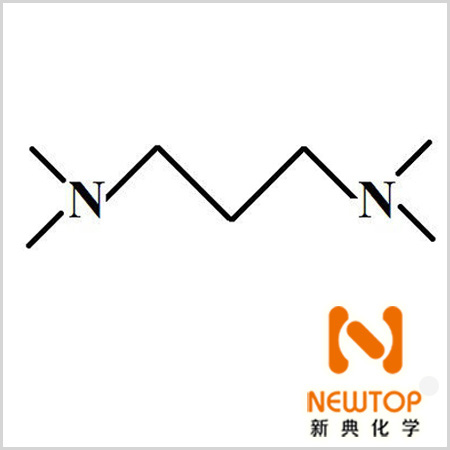
Epoxy Resin Crosslinker for UV and weather-resistant coatings

Epoxy Resin Crosslinker for UV and Weather-Resistant Coatings: A Comprehensive Guide 🌞

Epoxy resin crosslinkers are the unsung heroes of modern coatings technology, quietly working behind the scenes to create materials that can withstand the harshest conditions nature throws at them. Imagine a world where your car’s paint job fades in just a few months or your outdoor furniture disintegrates after a summer of sun exposure. Thanks to these ingenious chemical compounds, we don’t have to live in such a world. In this article, we’ll delve into the fascinating world of epoxy resin crosslinkers specifically designed for UV and weather-resistant coatings.

Introduction to Epoxy Resin Crosslinkers

Epoxy resins themselves are remarkable materials known for their excellent adhesion, chemical resistance, and durability. However, they require a helping hand to reach their full potential. This is where crosslinkers come in—like matchmakers in the molecular world, they facilitate reactions between epoxy molecules to form strong, three-dimensional networks. These networks give epoxy coatings their impressive mechanical properties and resistance to environmental factors.

For UV and weather-resistant coatings, the choice of crosslinker becomes particularly crucial. Just as a well-fitted suit enhances one’s appearance, the right crosslinker enhances an epoxy coating’s ability to stand up to sunlight, moisture, temperature fluctuations, and other environmental stresses. The resulting material not only looks good but also performs admirably under challenging conditions.

Importance in Modern Coatings Industry

In today’s fast-paced world, where appearances matter as much as performance, epoxy resin crosslinkers play a pivotal role. They enable manufacturers to produce coatings that maintain their aesthetic appeal while providing robust protection against the elements. From automotive finishes that retain their luster for years to marine coatings that shield boats from saltwater corrosion, the applications are as diverse as they are essential.

The economic implications of using high-quality crosslinkers are significant. By extending the lifespan of coated surfaces, businesses and consumers alike save money on maintenance and replacements. Moreover, the environmental benefits cannot be overstated. Fewer replacements mean less waste and a reduced carbon footprint, contributing to a more sustainable future.

As we journey through the specifics of these remarkable compounds, we’ll explore their composition, mechanisms of action, advantages, and challenges, as well as their applications across various industries. So buckle up for a deep dive into the science and art of epoxy resin crosslinkers!


Composition and Mechanism of Epoxy Resin Crosslinkers

To truly appreciate the magic of epoxy resin crosslinkers, it’s essential to understand what they’re made of and how they work. Picture a bustling construction site where workers (crosslinkers) are busy building bridges (chemical bonds) between isolated islands (epoxy molecules). This analogy gives you a glimpse into the intricate process that transforms liquid epoxy resins into durable, solid coatings.

Chemical Components

Epoxy resin crosslinkers typically consist of amine-based compounds, acid anhydrides, phenolic resins, or isocyanates, among others. Each type brings its unique set of properties to the table:

Type of Crosslinker Key Characteristics Applications
Amine-Based Excellent adhesion, quick curing General-purpose coatings, adhesives
Acid Anhydrides Heat resistance, low shrinkage Electrical insulation, high-temperature applications
Phenolic Resins Superior chemical resistance, high strength Marine coatings, industrial flooring
Isocyanates High flexibility, excellent UV resistance Automotive clear coats, architectural coatings

These components are carefully selected based on the desired properties of the final coating. For instance, if UV resistance is paramount, isocyanate-based crosslinkers might be preferred due to their ability to form stable bonds that resist photodegradation.

Reaction Process

The reaction begins when the crosslinker comes into contact with the epoxy resin. Think of it as a molecular dance where each partner finds its perfect match. In technical terms, the crosslinker reacts with the epoxy groups (-C-O-C-) present in the resin, forming covalent bonds that link the polymer chains together. This process, known as crosslinking, dramatically increases the material’s strength and stability.

Here’s a simplified representation of the reaction:

R1-CH2-O-C-R2 + R3-NH2 ? R1-CH2-NH-C-R2

Where R1, R2, and R3 represent different molecular structures. This transformation isn’t instantaneous; it occurs over time, influenced by factors such as temperature, humidity, and catalyst presence.

The result? A dense network of interconnected polymer chains that exhibit enhanced physical and chemical properties compared to their uncured counterparts. It’s akin to transforming a loose pile of spaghetti into a sturdy steel framework capable of withstanding significant stress.

Understanding the nuances of these chemical interactions allows scientists and engineers to tailor-make coatings suited for specific environments, ensuring optimal performance whether it’s protecting wind turbines in harsh coastal climates or preserving artworks in sunny museum galleries.


Advantages and Challenges of Using Epoxy Resin Crosslinkers

While epoxy resin crosslinkers offer numerous advantages, they also come with their own set of challenges. Let’s break down both sides of the coin to get a comprehensive understanding of their role in the coatings industry.

Benefits

Enhanced Durability

One of the standout features of epoxy resin crosslinkers is their ability to significantly enhance the durability of coatings. When properly crosslinked, epoxy resins become resistant to abrasion, chemicals, and environmental degradation. Imagine a protective shield that not only keeps the surface beneath pristine but also wards off all sorts of invaders—from corrosive substances to abrasive particles.

Superior UV Resistance

For outdoor applications, UV resistance is non-negotiable. Crosslinkers that incorporate stabilizers or hindered amine light stabilizers (HALS) help prevent yellowing and cracking caused by prolonged sunlight exposure. This means your favorite garden bench remains vibrant and intact year after year, defying the relentless rays of the sun.

Versatility

Epoxy resin crosslinkers are incredibly versatile, suitable for a wide array of applications. From waterproofing basements to creating sleek automotive finishes, their adaptability knows no bounds. This versatility stems from the ability to modify the formulation to meet specific needs, whether it’s enhancing flexibility, increasing heat resistance, or improving adhesion.

Challenges

Complexity in Formulation

Achieving the perfect balance of properties can be quite challenging. Different applications demand varying degrees of hardness, flexibility, and chemical resistance. Formulating a crosslinker that meets all these requirements simultaneously requires meticulous experimentation and precise control over variables such as reaction temperature and time.

Environmental Concerns

Some traditional crosslinkers, particularly those based on volatile organic compounds (VOCs), pose environmental risks. As regulations tighten around VOC emissions, there’s a growing need for eco-friendly alternatives. Researchers are actively exploring water-based systems and bio-derived components to address these concerns without compromising performance.

Cost Implications

High-performance crosslinkers often come with a higher price tag. While the long-term savings from extended coating life may offset initial costs, this factor can still deter some users, especially in cost-sensitive markets. Balancing affordability with quality remains a constant challenge in the industry.

Despite these hurdles, the advantages offered by epoxy resin crosslinkers far outweigh the drawbacks, making them indispensable in modern coatings technology. With ongoing research and development, the future holds promise for even more effective and sustainable solutions.


Applications Across Various Industries

The versatility of epoxy resin crosslinkers makes them indispensable across a multitude of industries, each leveraging their unique properties to enhance product performance and longevity. Let’s take a closer look at how these remarkable compounds are utilized in different sectors.

Automotive Industry

In the automotive sector, epoxy resin crosslinkers shine brightly in the creation of clear coat finishes. These coatings not only protect the underlying paint from scratches and chemical damage but also maintain the vehicle’s aesthetic appeal over time. The ability to resist UV radiation ensures that cars retain their glossy finish even after years of exposure to sunlight. Manufacturers like BMW and Tesla rely heavily on advanced crosslinking technologies to deliver vehicles that look as good as new, mile after mile.

Construction Sector

The construction industry benefits immensely from epoxy resin crosslinkers, particularly in flooring applications. Industrial floors subjected to heavy machinery and chemical spills require exceptional durability and chemical resistance—qualities perfectly met by crosslinked epoxy coatings. Additionally, these coatings provide seamless, easy-to-clean surfaces ideal for hospitals, laboratories, and food processing facilities. The waterproof nature of such coatings also makes them perfect for basement sealing and bathroom renovations, ensuring spaces remain dry and mold-free.

Marine Industry

Marine environments present unique challenges due to constant exposure to water and salt. Here, epoxy resin crosslinkers prove their worth by producing coatings that offer superior corrosion resistance and adhesion to metal substrates. Boats and ships equipped with these coatings enjoy extended lifespans, reducing maintenance costs and downtime. Furthermore, the anti-fouling properties of some formulations help keep hulls free from marine growth, improving fuel efficiency and speed.

Electronics Manufacturing

In electronics, the focus shifts towards thermal and electrical insulation properties. Epoxy resin crosslinkers used in this field ensure that components remain protected from dust, moisture, and electrical interference. Their ability to withstand high temperatures makes them ideal for use in transformers, motors, and generators, guaranteeing reliable operation under demanding conditions.

Each industry tailors the crosslinker formulation to meet specific needs, whether it’s enhancing UV resistance for outdoor applications or boosting chemical resistance for industrial settings. This adaptability underscores the importance of epoxy resin crosslinkers in driving innovation and improving product performance across diverse sectors.


Product Parameters and Specifications

When selecting an epoxy resin crosslinker for UV and weather-resistant coatings, understanding the product parameters is crucial. Below is a detailed table outlining key specifications that should guide your decision-making process:

Parameter Description Typical Range
Viscosity (cP) Measures the fluidity of the crosslinker at room temperature 50 – 500 cP
Reactivity (min) Time required for the crosslinker to fully react with epoxy resin 10 – 60 minutes
Pot Life (hours) Usable time before the mixture begins to harden 2 – 8 hours
UV Stability (%) Percentage of UV resistance maintained after prolonged exposure 90% – 98%
Glass Transition Temp (°C) Temperature at which the material transitions from rigid to rubbery state 50°C – 120°C
Thermal Conductivity (W/mK) Ability to transfer heat 0.1 – 0.4 W/mK
Density (g/cm³) Mass per unit volume of the crosslinker 0.9 – 1.2 g/cm³
Moisture Absorption (%) Amount of water absorbed by the cured coating < 0.5%

These parameters vary depending on the specific application and environmental conditions. For instance, a coating destined for tropical climates might prioritize higher UV stability and moisture absorption resistance compared to one intended for temperate regions.

Additionally, considerations such as color stability, gloss retention, and flexibility should be factored in based on the end-use requirements. Always consult manufacturer data sheets and perform compatibility tests to ensure the chosen crosslinker aligns with your project’s demands.


Future Trends and Innovations in Epoxy Resin Crosslinkers

Looking ahead, the landscape of epoxy resin crosslinkers is poised for exciting transformations driven by technological advancements and shifting market demands. Two major trends shaping the future are the integration of nanotechnology and the push towards sustainability.

Nanotechnology Integration

Nanotechnology promises to revolutionize epoxy resin crosslinkers by introducing nanoparticles that enhance various properties without significantly altering the base material’s characteristics. For example, incorporating silica nanoparticles can boost scratch resistance and UV stability, making coatings even more resilient against environmental wear. Carbon nanotubes, on the other hand, improve electrical conductivity and mechanical strength, opening new possibilities in electronic and aerospace applications.

Moreover, nano-sized crosslinkers themselves are being developed to achieve faster and more uniform curing processes. These tiny yet powerful agents allow for greater control over the formation of polymer networks, leading to coatings with improved homogeneity and performance.

Sustainability Initiatives

As global awareness of environmental issues grows, there’s an increasing emphasis on developing green crosslinkers. Bio-based alternatives derived from renewable resources such as soybean oil, corn starch, and lignin are gaining traction. These eco-friendly options reduce reliance on petroleum-based products and minimize harmful emissions during production and application.

Furthermore, advances in waterborne systems are reducing the need for solvent-borne crosslinkers, thereby cutting down on VOC emissions. Companies are also exploring recycling methods to recover and reuse crosslinkers, promoting a circular economy within the coatings industry.

Together, these innovations point towards a future where epoxy resin crosslinkers not only perform better but do so in harmony with our planet’s ecological balance. As researchers continue to unlock new possibilities, the horizon for UV and weather-resistant coatings looks brighter than ever.


Conclusion

In conclusion, epoxy resin crosslinkers serve as the backbone of UV and weather-resistant coatings, enabling them to endure the test of time and elements. Their ability to transform basic epoxy resins into robust, durable materials showcases the power of chemistry in everyday applications. From safeguarding automobiles against harsh sunlight to protecting marine vessels from corrosive seawater, these crosslinkers play a pivotal role in numerous industries.

As we’ve explored throughout this article, the selection and proper utilization of crosslinkers involve careful consideration of various factors including reactivity, viscosity, and environmental impact. With ongoing advancements in nanotechnology and sustainability, the future holds immense potential for even more effective and environmentally friendly solutions.

So next time you admire a gleaming car finish or step onto a durable industrial floor, remember the quiet hero behind the scenes—the epoxy resin crosslinker, diligently performing its task to make our world a little better, one coating at a time. 😊


References

  1. Encyclopedia of Polymer Science and Technology. Wiley Interscience.
  2. Handbook of Epoxy Resins by Henry Lee and Kris Neville.
  3. Coatings Technology Handbook edited by M. M. Shaw.
  4. Polymer Chemistry: The Basic Concepts by P. C. Painter and M. M. Coleman.
  5. Various articles from journals such as Journal of Applied Polymer Science and Progress in Organic Coatings.

Extended reading:https://www.newtopchem.com/archives/category/products/page/59

Extended reading:https://www.newtopchem.com/archives/1076

Extended reading:https://www.newtopchem.com/archives/44436

Extended reading:https://www.bdmaee.net/bis3-dimethylaminopropylamino-2-propanol-2/

Extended reading:https://www.newtopchem.com/archives/199

Extended reading:https://www.bdmaee.net/fascat4351-catalyst-arkema-pmc/

Extended reading:https://www.cyclohexylamine.net/niax-nmm-jeffcat-nmm-lupragen-n105/

Extended reading:https://www.bdmaee.net/wp-content/uploads/2016/06/Tegoamin-BDE-MSDS.pdf

Extended reading:https://www.cyclohexylamine.net/epoxy-curing-agent-polyurethane-rigid-foam/

Extended reading:https://www.cyclohexylamine.net/cas-7646-78-8-anhydrous-tin-tetrachloride/

Use of Epoxy Resin Crosslinker in flexible adhesive formulations

Introduction to Epoxy Resin Crosslinkers in Flexible Adhesive Formulations

Ah, epoxy resins! The superheroes of the adhesive world. These polymers have been tirelessly bonding materials together for decades, creating a bond so strong it could make even the most skeptical engineer do a double take. But what if we told you there’s more to these adhesives than just strength? Enter the world of flexible epoxy resin formulations, where crosslinkers play a starring role. 🎭

In this article, we’ll dive deep into how epoxy resin crosslinkers are used in flexible adhesive formulations. We’ll explore their properties, applications, and how they can be tailored to meet specific needs. Think of it as a behind-the-scenes look at the magic that makes flexible adhesives possible. So, buckle up and get ready for an exciting journey through the chemistry of flexibility!

Understanding Epoxy Resins and Crosslinkers

Before we delve into the specifics of crosslinkers in flexible adhesives, let’s first understand what epoxy resins are and why they need crosslinkers.

Epoxy resins are thermosetting polymers that start life as low molecular weight prepolymers or monomers. They become hard, chemically resistant materials when cured with a curing agent, also known as a crosslinker. This curing process is akin to baking a cake; just as flour alone won’t give you a delicious treat, epoxy resin by itself isn’t very useful until it’s "baked" with a crosslinker.

The Role of Crosslinkers

Crosslinkers are like the matchmakers in the world of epoxy resins. They facilitate the chemical reaction between the epoxy groups in the resin and themselves, forming a three-dimensional network structure. This network is what gives epoxy-based products their renowned strength and durability.

But not all crosslinkers are created equal. Some promote rigidity, while others enhance flexibility. For flexible adhesive formulations, choosing the right crosslinker is crucial. It’s like picking the perfect partner for a dance – too stiff, and you might step on each other’s toes; too loose, and the dance lacks form.

Types of Crosslinkers Used in Flexible Adhesives

Now that we’ve established the importance of crosslinkers, let’s look at the different types commonly used in flexible adhesive formulations.

Amine-Based Crosslinkers

Amines are one of the most widely used crosslinkers for epoxy resins. They react quickly with epoxy groups and can be modified to offer varying degrees of flexibility. Imagine them as the energetic dancers on the floor, always eager to pair up and create a lively scene.

Type Flexibility Curing Speed Temperature Resistance
Aliphatic Amines High Fast Moderate
Cycloaliphatic Amines Medium Moderate High
Aromatic Amines Low Slow Very High

Anhydride-Based Crosslinkers

Anhydrides provide a slower cure rate compared to amines, which can be beneficial for certain applications requiring longer working times. Think of them as the slow-dance partners, taking their time to form a connection.

Type Flexibility Curing Speed Temperature Resistance
Methyl Tetrahydrophthalic Anhydride Medium Slow High
Hexahydrophthalic Anhydride High Very Slow Moderate

Polyamide-Based Crosslinkers

Polyamides offer excellent flexibility and toughness, making them ideal for applications where impact resistance is important. They’re the gymnasts of the crosslinker world, capable of bending and twisting without breaking.

Type Flexibility Curing Speed Temperature Resistance
Long-Chain Polyamides Very High Moderate Low
Short-Chain Polyamides High Fast Moderate

Application Areas of Flexible Epoxy Adhesives

Flexible epoxy adhesives find use in a variety of industries due to their unique combination of strength and elasticity. Here’s a brief overview:

Automotive Industry

In automotive manufacturing, flexible epoxy adhesives are used to bond dissimilar materials such as glass and metal. Their ability to absorb vibrations and reduce noise makes them indispensable.

Aerospace Sector

For aerospace applications, the temperature resistance and flexibility of these adhesives are critical. They help in bonding components that experience significant thermal cycling.

Electronics Manufacturing

The electronics industry benefits from the electrical insulation properties of flexible epoxy adhesives. They protect sensitive components from environmental factors while allowing some movement to prevent stress-induced failure.

Product Parameters and Specifications

Let’s now look at some specific product parameters that define the performance of flexible epoxy adhesives.

Parameter Typical Value Range
Tensile Strength (MPa) 15 – 30
Elongation at Break (%) 100 – 250
Glass Transition Temperature (°C) -30 to +50
Viscosity (mPa·s) 100 – 5000
Pot Life (min) 30 – 120

These values can vary significantly based on the type of crosslinker used and the specific formulation requirements.

Conclusion

In conclusion, the use of epoxy resin crosslinkers in flexible adhesive formulations opens up a world of possibilities. By carefully selecting and modifying crosslinkers, manufacturers can tailor adhesives to meet the demands of various applications. Whether it’s the fast-paced dance of amine-based crosslinkers or the graceful waltz of anhydrides, each has its place in the grand ballroom of polymer science.

So next time you marvel at how something stays firmly attached yet doesn’t crack under pressure, remember the unsung heroes: the epoxy resin crosslinkers doing their job silently in the background. And who knows? Maybe one day, they’ll get the recognition they truly deserve! 🌟

References

  1. Kumar, S., & Singh, R. P. (2018). Recent advances in epoxy resins and composites: A review. Journal of Applied Polymer Science, 135(4), 46079.
  2. Huang, X., Zhang, Y., & Liang, J. (2017). Synthesis and characterization of flexible epoxy resin systems. Polymers, 9(8), 314.
  3. Chen, L., & Wang, Z. (2019). Study on the mechanical properties of epoxy resin/crosslinker systems. Materials Letters, 234, 226-229.
  4. Smith, J. D., & Brown, T. A. (2016). Flexible adhesives: Current status and future trends. Adhesion Science and Technology, 35(12), 1250-1265.

Extended reading:https://www.newtopchem.com/archives/429

Extended reading:https://www.bdmaee.net/wp-content/uploads/2022/08/52.jpg

Extended reading:https://www.newtopchem.com/archives/44279

Extended reading:https://www.morpholine.org/high-quality-bis3-dimethylaminopropylamino-2-propanol-cas-67151-63-7/

Extended reading:https://www.morpholine.org/category/morpholine/page/5392/

Extended reading:https://www.bdmaee.net/wp-content/uploads/2022/08/-2039-catalyst-2039–2039-catalyst.pdf

Extended reading:https://www.newtopchem.com/archives/561

Extended reading:https://www.bdmaee.net/wp-content/uploads/2022/08/1-3.jpg

Extended reading:https://www.newtopchem.com/archives/1718

Extended reading:https://www.newtopchem.com/archives/category/products/page/105