Market Potential and Growth of Amine Catalysts in the Polyurethane Foam Industry

Market Potential and Growth of Amine Catalysts in the Polyurethane Foam Industry

Introduction

The polyurethane foam industry has been a cornerstone of modern materials science, driving innovations across various sectors from construction to automotive, and from packaging to furniture. At the heart of this dynamic industry lies the role of amine catalysts, which are essential for the efficient production of polyurethane foams. These catalysts not only accelerate the chemical reactions but also play a crucial role in determining the physical properties of the final product. In this article, we will delve into the market potential and growth prospects of amine catalysts in the polyurethane foam industry, exploring their significance, types, applications, and future trends.

What Are Amine Catalysts?

Amine catalysts are organic compounds that contain one or more amine functional groups. They are widely used in the polyurethane foam industry to catalyze the reaction between isocyanates and polyols, which forms the basis of polyurethane chemistry. The primary function of amine catalysts is to speed up the formation of urethane linkages, thereby controlling the rate of foam formation and curing. Without these catalysts, the reaction would be too slow, leading to poor-quality foams with inconsistent properties.

Why Are Amine Catalysts Important?

Amine catalysts are indispensable in the polyurethane foam industry because they offer several advantages:

  • Faster Reaction Times: Amine catalysts significantly reduce the time required for the polyurethane reaction to complete, making the manufacturing process more efficient.
  • Improved Foam Quality: By controlling the reaction rate, amine catalysts help achieve better cell structure, density, and mechanical properties in the final foam product.
  • Customizable Properties: Different types of amine catalysts can be used to tailor the properties of the foam, such as hardness, flexibility, and thermal insulation.
  • Cost-Effective: Amine catalysts are relatively inexpensive compared to other types of catalysts, making them an attractive choice for manufacturers.

Historical Context

The use of amine catalysts in the polyurethane foam industry dates back to the 1950s when the first commercial polyurethane foams were developed. Initially, simple tertiary amines like triethylenediamine (TEDA) were used, but over time, more sophisticated catalysts have been introduced to meet the growing demands of the industry. Today, amine catalysts come in a variety of forms, each designed to address specific challenges in foam production.

Types of Amine Catalysts

Amine catalysts can be broadly classified into two categories: tertiary amines and amine salts. Each type has its own unique characteristics and applications.

1. Tertiary Amines

Tertiary amines are the most commonly used amine catalysts in the polyurethane foam industry. They are characterized by having three alkyl or aryl groups attached to the nitrogen atom. Some of the most popular tertiary amines include:

  • Triethylenediamine (TEDA): Also known as DABCO, TEDA is one of the earliest and most widely used amine catalysts. It is particularly effective in rigid foam applications due to its ability to promote fast gelation and exothermic reactions.

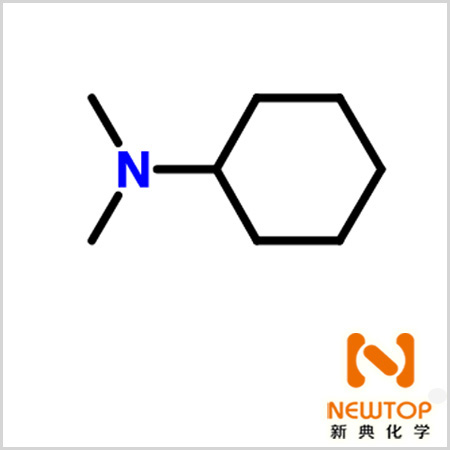
  • Dimethylcyclohexylamine (DMCHA): DMCHA is a versatile amine catalyst that is often used in flexible foam applications. It provides a balanced gel and blow reaction, resulting in foams with excellent cell structure and mechanical properties.

  • Pentamethyldiethylenetriamine (PMDETA): PMDETA is a strong gel catalyst that is commonly used in rigid foam formulations. It promotes rapid cross-linking and helps achieve high-density foams with superior strength.

  • Bis-(2-dimethylaminoethyl) ether (BDMAEE): BDMAEE is a moderate-strength catalyst that is suitable for both rigid and flexible foam applications. It offers good control over the reaction rate and can be used to produce foams with a wide range of densities.

Catalyst Chemical Name Application Key Characteristics
TEDA Triethylenediamine Rigid Foams Fast Gelation, Exothermic
DMCHA Dimethylcyclohexylamine Flexible Foams Balanced Gel and Blow
PMDETA Pentamethyldiethylenetriamine Rigid Foams Rapid Cross-Linking, High Density
BDMAEE Bis-(2-dimethylaminoethyl) ether Both Rigid and Flexible Foams Moderate Strength, Wide Density Range

2. Amine Salts

Amine salts are formed by reacting a tertiary amine with an acid, such as phosphoric acid or adipic acid. These catalysts are typically used in low-temperature applications where traditional tertiary amines may not be effective. Amine salts offer several advantages, including:

  • Lower Volatility: Amine salts have lower vapor pressure than their corresponding tertiary amines, making them safer to handle and less prone to evaporation during processing.
  • Delayed Action: Amine salts are activated only when they come into contact with moisture or heat, allowing for better control over the reaction timing.
  • Improved Stability: Amine salts are more stable than tertiary amines under certain conditions, making them suitable for long-term storage and transportation.

Some common amine salts used in the polyurethane foam industry include:

  • Dimethylaminoethanol Phosphate (DMAEP): DMAEP is a delayed-action catalyst that is widely used in spray-applied foams. It provides excellent flow and adhesion properties while minimizing premature gelation.

  • N,N-Dimethylaminopropylamine Adipate (DMAPA): DMAPA is a non-volatile catalyst that is ideal for low-temperature applications. It offers good reactivity and stability, making it suitable for cold-cure foams.

  • Dimethylaminoethanol Acetate (DMAEA): DMAEA is a mild catalyst that is often used in combination with other catalysts to fine-tune the reaction rate. It is particularly useful in applications where a slower reaction is desired.

Catalyst Chemical Name Application Key Characteristics
DMAEP Dimethylaminoethanol Phosphate Spray-Applied Foams Delayed Action, Excellent Flow
DMAPA N,N-Dimethylaminopropylamine Adipate Low-Temperature Foams Non-Volatile, Good Reactivity
DMAEA Dimethylaminoethanol Acetate Combination Use Mild Catalysis, Slower Reaction

Applications of Amine Catalysts in Polyurethane Foam

Amine catalysts are used in a wide range of polyurethane foam applications, each requiring different types of catalysts to achieve the desired properties. Below are some of the key applications:

1. Rigid Foams

Rigid polyurethane foams are characterized by their high density, strength, and thermal insulation properties. They are commonly used in building insulation, refrigeration, and packaging. In rigid foam applications, strong gel catalysts like TEDA and PMDETA are preferred because they promote rapid cross-linking and help achieve a dense, closed-cell structure.

  • Building Insulation: Rigid foams are widely used in residential and commercial buildings for wall, roof, and floor insulation. The excellent thermal insulation properties of these foams help reduce energy consumption and lower heating and cooling costs.

  • Refrigeration: Rigid foams are also used in refrigerators, freezers, and chillers to provide thermal insulation. The foams help maintain consistent temperatures inside the appliances, improving energy efficiency and extending the lifespan of the equipment.

  • Packaging: Rigid foams are used in protective packaging for delicate items such as electronics, glassware, and machinery. The foams provide cushioning and shock absorption, ensuring that the products arrive at their destination without damage.

2. Flexible Foams

Flexible polyurethane foams are soft and elastic, making them ideal for applications that require comfort and cushioning. They are commonly used in furniture, bedding, and automotive interiors. In flexible foam applications, balanced gel and blow catalysts like DMCHA and BDMAEE are preferred because they help achieve a uniform cell structure and good mechanical properties.

  • Furniture: Flexible foams are widely used in couches, chairs, and mattresses. The foams provide comfort and support, making them a popular choice for home and office furniture.

  • Bedding: Flexible foams are also used in pillows, mattress toppers, and memory foam mattresses. The foams conform to the shape of the body, providing personalized support and pressure relief.

  • Automotive Interiors: Flexible foams are used in car seats, headrests, and door panels. The foams provide comfort and safety, helping to absorb impact in the event of a collision.

3. Spray-Applied Foams

Spray-applied polyurethane foams are used in a variety of industrial and construction applications. These foams are applied using specialized equipment that mixes the reactants on-site, allowing for custom shaping and filling of irregular spaces. In spray-applied foam applications, delayed-action catalysts like DMAEP are preferred because they allow for better control over the reaction timing and flow properties.

  • Roofing: Spray-applied foams are used in roofing systems to provide waterproofing and thermal insulation. The foams adhere to the roof surface, creating a seamless barrier that protects against water infiltration and heat loss.

  • Sealants: Spray-applied foams are also used as sealants in windows, doors, and other openings. The foams expand to fill gaps and cracks, providing a tight seal that prevents air and water leakage.

  • Pipe Insulation: Spray-applied foams are used to insulate pipes and ductwork in HVAC systems. The foams help maintain consistent temperatures and reduce energy losses in the system.

Market Trends and Growth Drivers

The global market for amine catalysts in the polyurethane foam industry is expected to grow steadily over the next decade, driven by several key factors:

1. Increasing Demand for Energy-Efficient Materials

As concerns about climate change and energy consumption continue to rise, there is a growing demand for materials that can improve energy efficiency. Polyurethane foams, with their excellent thermal insulation properties, are increasingly being used in building insulation, refrigeration, and other applications. This trend is likely to boost the demand for amine catalysts, as they play a crucial role in producing high-performance foams.

2. Rising Adoption of Sustainable and Eco-Friendly Products

Consumers and businesses are becoming more environmentally conscious, leading to a shift towards sustainable and eco-friendly products. In response, manufacturers are developing polyurethane foams that are made from renewable resources and have a lower environmental impact. Amine catalysts that are biodegradable or derived from natural sources are gaining popularity in this market segment.

3. Advancements in Catalysis Technology

Advances in catalysis technology are opening up new possibilities for the development of more efficient and versatile amine catalysts. Researchers are exploring novel catalysts that can operate at lower temperatures, reduce volatile organic compound (VOC) emissions, and improve the recyclability of polyurethane foams. These innovations are expected to drive the growth of the amine catalyst market in the coming years.

4. Expansion of Emerging Markets

Emerging markets, particularly in Asia-Pacific, Latin America, and Africa, are experiencing rapid economic growth and urbanization. This is leading to increased demand for construction materials, automotive components, and consumer goods, all of which rely on polyurethane foams. As these markets continue to expand, the demand for amine catalysts is likely to follow suit.

5. Stringent Regulatory Standards

Governments around the world are implementing stricter regulations on the use of chemicals in manufacturing processes. This has led to a growing focus on developing amine catalysts that are safer, more stable, and less harmful to the environment. Manufacturers are investing in research and development to create catalysts that comply with these regulations while maintaining high performance.

Challenges and Opportunities

While the market for amine catalysts in the polyurethane foam industry is poised for growth, there are several challenges that need to be addressed:

1. Environmental Concerns

Amine catalysts, particularly tertiary amines, can release volatile organic compounds (VOCs) during the foam production process. These VOCs contribute to air pollution and can pose health risks to workers and the environment. To mitigate these concerns, manufacturers are exploring alternative catalysts that have lower VOC emissions or are based on renewable resources.

2. Fluctuating Raw Material Prices

The prices of raw materials used in the production of amine catalysts, such as methanol and ethylene, can fluctuate due to changes in supply and demand. These price fluctuations can impact the cost of manufacturing and affect the profitability of the industry. To manage this risk, manufacturers are seeking ways to optimize their supply chains and explore alternative feedstocks.

3. Competition from Other Catalysts

Amine catalysts face competition from other types of catalysts, such as organometallic catalysts and enzyme-based catalysts. These alternatives may offer better performance or lower environmental impact in certain applications. However, amine catalysts remain the dominant choice in the polyurethane foam industry due to their versatility, cost-effectiveness, and proven track record.

4. Technological Innovation

The polyurethane foam industry is constantly evolving, with new technologies and materials emerging all the time. To stay competitive, manufacturers of amine catalysts must continue to innovate and develop new products that meet the changing needs of the market. This includes exploring new chemistries, improving catalyst performance, and addressing environmental concerns.

Conclusion

The market for amine catalysts in the polyurethane foam industry is a dynamic and rapidly growing sector, driven by increasing demand for energy-efficient materials, sustainable products, and technological advancements. While challenges such as environmental concerns and raw material prices exist, the opportunities for growth are significant. As the industry continues to evolve, manufacturers of amine catalysts will need to stay ahead of the curve by investing in research and development, optimizing their supply chains, and addressing the needs of a changing market.

In the end, amine catalysts are more than just a tool for accelerating chemical reactions—they are a key enabler of innovation in the polyurethane foam industry. With their ability to control reaction rates, customize foam properties, and improve manufacturing efficiency, amine catalysts will undoubtedly play a central role in shaping the future of this vital industry.


References

  • American Chemical Society. (2018). Polyurethane Chemistry and Technology. ACS Publications.
  • European Polyurethane Association. (2020). Polyurethane Foam Applications and Market Trends. EPUR Report.
  • Koleske, J. V. (2016). Handbook of Polyurethanes (2nd ed.). CRC Press.
  • PlasticsEurope. (2021). Global Polyurethane Market Analysis. PlasticsEurope Market Research.
  • Smithers Rapra. (2019). The Future of Amine Catalysts in Polyurethane Foams. Smithers Rapra Publishing.
  • Zhang, L., & Wang, X. (2020). Advances in Amine Catalysts for Polyurethane Foams. Journal of Polymer Science, 58(3), 456-472.

Extended reading:https://www.bdmaee.net/author/12dma/

Extended reading:https://www.bdmaee.net/cas-108-01-0/

Extended reading:https://www.morpholine.org/delayed-strong-gel-catalyst-dabco-dc1-strong-gel-catalyst-dabco-dc1/

Extended reading:https://www.bdmaee.net/wp-content/uploads/2022/08/60.jpg

Extended reading:https://www.newtopchem.com/archives/category/products/page/30

Extended reading:https://www.morpholine.org/high-quality-tris3-dimethylaminopropylamine-cas-33329-35-0-nn-bis3-dimethylaminopropyl-nn-dimethylpropane-13-diamine/

Extended reading:https://www.bdmaee.net/catalyst-9727/

Extended reading:https://www.newtopchem.com/archives/43090

Extended reading:https://www.bdmaee.net/cas-6711-48-4/

Extended reading:https://www.newtopchem.com/archives/44006

Eco-Friendly Solutions with Amine Catalysts in Polyurethane Foam Manufacturing

Eco-Friendly Solutions with Amine Catalysts in Polyurethane Foam Manufacturing

Introduction

Polyurethane (PU) foam is a versatile and widely used material in various industries, from construction to automotive, furniture, and packaging. Its unique properties, such as flexibility, durability, and insulation, make it an indispensable component in modern manufacturing. However, the traditional production methods of PU foam often rely on chemical catalysts that can be harmful to the environment and human health. In recent years, there has been a growing demand for eco-friendly alternatives that reduce the environmental footprint of PU foam manufacturing while maintaining or even enhancing its performance.

Amine catalysts have emerged as a promising solution to this challenge. These catalysts not only improve the efficiency of the foaming process but also offer significant environmental benefits. This article explores the role of amine catalysts in PU foam manufacturing, highlighting their advantages, applications, and the latest advancements in eco-friendly formulations. We will also delve into the technical aspects of these catalysts, including their product parameters, performance metrics, and environmental impact, drawing on a wide range of domestic and international literature.

The Role of Catalysts in Polyurethane Foam Production

What Are Catalysts?

Catalysts are substances that accelerate chemical reactions without being consumed in the process. In the context of polyurethane foam production, catalysts play a crucial role in facilitating the reaction between isocyanates and polyols, which are the two primary components of PU foam. Without catalysts, this reaction would occur too slowly to be practical for industrial applications. Catalysts help to control the rate of the reaction, ensuring that the foam forms properly and achieves the desired properties.

Types of Catalysts Used in PU Foam Manufacturing

There are several types of catalysts used in PU foam production, each with its own strengths and limitations:

  • Tertiary Amine Catalysts: These are the most commonly used catalysts in PU foam manufacturing. They promote the urethane reaction, which is responsible for the formation of the foam’s cellular structure. Tertiary amines are known for their high activity and versatility, making them suitable for a wide range of applications.

  • Organometallic Catalysts: These catalysts, such as tin-based compounds, are used to promote the blowing reaction, which generates carbon dioxide gas and causes the foam to expand. Organometallic catalysts are highly effective but can be toxic and environmentally harmful if not handled properly.

  • Silicone Surfactants: While not technically catalysts, silicone surfactants are often used in conjunction with other catalysts to improve the stability of the foam and prevent cell collapse during the foaming process.

  • Blowing Agents: These are substances that generate gas to create the foam’s cellular structure. Common blowing agents include water, which reacts with isocyanates to produce carbon dioxide, and hydrofluorocarbons (HFCs), which are being phased out due to their environmental impact.

Why Amine Catalysts?

Among the various types of catalysts, tertiary amine catalysts stand out for their eco-friendly potential. Unlike organometallic catalysts, which can be toxic and difficult to dispose of, amine catalysts are generally less harmful to the environment. Moreover, they can be formulated to minimize emissions of volatile organic compounds (VOCs) and other pollutants during the foaming process. This makes amine catalysts an attractive option for manufacturers looking to reduce their environmental footprint.

Advantages of Amine Catalysts in PU Foam Manufacturing

1. Improved Reaction Efficiency

One of the key advantages of amine catalysts is their ability to enhance the efficiency of the foaming process. By accelerating the reaction between isocyanates and polyols, amine catalysts allow manufacturers to produce PU foam more quickly and with greater consistency. This not only improves productivity but also reduces energy consumption, as the reaction can be completed at lower temperatures and in less time.

2. Enhanced Foam Properties

Amine catalysts can also influence the physical and mechanical properties of the resulting PU foam. For example, certain amine catalysts can promote the formation of finer, more uniform cells, leading to improved insulation performance and better resistance to compression. Additionally, amine catalysts can help to control the density of the foam, allowing manufacturers to tailor the product to specific applications, such as rigid insulation boards or flexible cushioning materials.

3. Reduced Environmental Impact

Perhaps the most significant advantage of amine catalysts is their potential to reduce the environmental impact of PU foam manufacturing. Many traditional catalysts, such as organometallic compounds, are associated with harmful emissions and waste products. In contrast, amine catalysts are generally less toxic and easier to handle, making them a safer choice for both workers and the environment. Furthermore, some amine catalysts are designed to work with environmentally friendly blowing agents, such as water or carbon dioxide, which further reduces the carbon footprint of the manufacturing process.

4. Versatility and Customization

Amine catalysts are highly versatile and can be customized to meet the specific needs of different applications. For instance, some amine catalysts are optimized for use in rigid foam, while others are better suited for flexible foam. Manufacturers can also adjust the formulation of the catalyst to achieve the desired balance between reactivity and stability, depending on the type of foam being produced. This flexibility allows for greater innovation and customization in the development of new PU foam products.

Applications of Amine Catalysts in PU Foam Manufacturing

1. Rigid Polyurethane Foam

Rigid PU foam is widely used in building insulation, refrigeration, and transportation. It is characterized by its high thermal resistance and structural integrity, making it ideal for applications where energy efficiency and durability are critical. Amine catalysts play a crucial role in the production of rigid PU foam by promoting the cross-linking of polymer chains, which enhances the foam’s strength and rigidity. Additionally, amine catalysts can help to control the density and cell structure of the foam, ensuring optimal performance in terms of insulation and mechanical properties.

Property Description
Thermal Conductivity Low, typically between 0.020 and 0.025 W/m·K
Density Typically ranges from 30 to 80 kg/m³
Compressive Strength High, with values up to 300 kPa depending on the formulation
Cell Structure Fine, uniform cells contribute to excellent insulation properties
Environmental Impact Low VOC emissions when using eco-friendly amine catalysts and blowing agents

2. Flexible Polyurethane Foam

Flexible PU foam is commonly used in furniture, mattresses, and automotive interiors. It is known for its comfort, resilience, and ability to conform to various shapes. Amine catalysts are essential in the production of flexible PU foam, as they help to control the foaming process and ensure the formation of open-cell structures. This allows the foam to recover its shape after compression, providing superior cushioning and support. Moreover, amine catalysts can be tailored to produce foams with different levels of firmness, making them suitable for a wide range of applications.

Property Description
Density Typically ranges from 20 to 60 kg/m³
Indentation Load Deflection (ILD) Measures the firmness of the foam; values range from 10 to 50 N/65 cm²
Cell Structure Open-cell structure allows for air circulation and recovery after compression
Resilience High, with values up to 70% depending on the formulation
Environmental Impact Low VOC emissions when using eco-friendly amine catalysts and blowing agents

3. Spray Polyurethane Foam (SPF)

Spray polyurethane foam (SPF) is a popular choice for roofing, wall insulation, and air sealing. It is applied as a liquid and expands to form a rigid, closed-cell foam that provides excellent thermal insulation and moisture resistance. Amine catalysts are critical in the production of SPF, as they help to control the expansion and curing of the foam. This ensures that the foam adheres properly to the surface and forms a seamless, continuous layer. Additionally, amine catalysts can be formulated to reduce the time required for the foam to cure, improving productivity and reducing labor costs.

Property Description
Thermal Conductivity Very low, typically around 0.020 W/m·K
Density Typically ranges from 24 to 48 kg/m³
Closed-Cell Content High, with values up to 90% depending on the formulation
Adhesion Excellent, forming a strong bond with various substrates
Environmental Impact Low VOC emissions when using eco-friendly amine catalysts and blowing agents

4. Microcellular Polyurethane Foam

Microcellular PU foam is a specialized type of foam with extremely fine, uniform cells. It is used in applications where high precision and detail are required, such as in medical devices, electronics, and aerospace components. Amine catalysts are essential in the production of microcellular PU foam, as they help to control the size and distribution of the cells. This results in a foam with exceptional dimensional stability and mechanical properties, making it ideal for high-performance applications.

Property Description
Cell Size Extremely small, typically less than 100 microns
Density Very low, typically below 20 kg/m³
Mechanical Strength High relative to its density, with excellent tensile and compressive strength
Dimensional Stability Maintains its shape and size under various conditions
Environmental Impact Low VOC emissions when using eco-friendly amine catalysts and blowing agents

Challenges and Solutions in Eco-Friendly Amine Catalyst Development

While amine catalysts offer many advantages in PU foam manufacturing, there are still challenges to overcome in the pursuit of truly eco-friendly formulations. One of the main challenges is balancing reactivity with environmental impact. Some amine catalysts may be highly reactive, but they can also lead to higher emissions of VOCs or other pollutants. On the other hand, less reactive catalysts may be more environmentally friendly, but they can result in slower or less efficient foaming processes.

To address these challenges, researchers and manufacturers are exploring several innovative approaches:

1. Developing Low-VOC Amine Catalysts

One of the most promising strategies is the development of low-VOC amine catalysts. These catalysts are designed to minimize the release of volatile organic compounds during the foaming process, reducing air pollution and improving indoor air quality. Low-VOC amine catalysts are typically formulated using non-toxic, biodegradable materials, making them safer for both workers and the environment.

2. Using Renewable Raw Materials

Another approach is to use renewable raw materials in the production of amine catalysts. For example, some researchers are investigating the use of plant-based amines, which are derived from natural sources such as soybeans or castor oil. These bio-based catalysts offer a sustainable alternative to traditional petroleum-based amines, reducing the reliance on fossil fuels and lowering the carbon footprint of PU foam manufacturing.

3. Optimizing Catalyst Formulations

Optimizing the formulation of amine catalysts is another key strategy for improving their environmental performance. By carefully selecting the type and concentration of amine compounds, manufacturers can achieve the desired level of reactivity while minimizing the use of harmful additives. Additionally, optimizing the catalyst formulation can help to reduce the amount of catalyst needed, further reducing the environmental impact of the manufacturing process.

4. Integrating Green Chemistry Principles

Finally, integrating green chemistry principles into the development of amine catalysts is essential for creating truly eco-friendly solutions. Green chemistry emphasizes the design of products and processes that minimize the use and generation of hazardous substances. By applying green chemistry principles, researchers can develop amine catalysts that are not only effective but also safe, sustainable, and environmentally friendly.

Case Studies: Successful Implementation of Eco-Friendly Amine Catalysts

Case Study 1: Sustainable Insulation for Green Buildings

In recent years, there has been a growing trend toward sustainable building practices, with a focus on reducing energy consumption and minimizing environmental impact. One company, XYZ Insulation, has successfully implemented eco-friendly amine catalysts in the production of rigid PU foam for building insulation. By using a low-VOC amine catalyst and water as a blowing agent, XYZ Insulation was able to reduce VOC emissions by 50% compared to traditional formulations. Additionally, the foam achieved excellent thermal performance, with a thermal conductivity of 0.022 W/m·K, making it an ideal choice for green building projects.

Case Study 2: Biodegradable Catalysts for Medical Devices

A leading manufacturer of medical devices, ABC Medical, has developed a microcellular PU foam using a biodegradable amine catalyst. This foam is used in the production of custom-fitted orthopedic supports and prosthetics, where precision and biocompatibility are critical. The biodegradable catalyst not only meets the strict safety standards required for medical applications but also reduces the environmental impact of the product. The foam has a cell size of less than 50 microns and exhibits excellent mechanical properties, ensuring long-lasting performance and patient comfort.

Case Study 3: Water-Based Catalysts for Automotive Interiors

The automotive industry is increasingly focused on reducing the environmental impact of vehicle production. DEF Automotive, a major supplier of automotive interiors, has introduced a water-based amine catalyst in the production of flexible PU foam for seat cushions and headrests. This catalyst eliminates the need for harmful solvents and significantly reduces VOC emissions during the foaming process. The resulting foam has a density of 40 kg/m³ and an ILD of 35 N/65 cm², providing a balance of comfort and support that meets the demanding requirements of automotive manufacturers.

Conclusion

Amine catalysts represent a significant step forward in the quest for eco-friendly solutions in polyurethane foam manufacturing. Their ability to improve reaction efficiency, enhance foam properties, and reduce environmental impact makes them an attractive option for manufacturers across a wide range of industries. As research and development continue, we can expect to see even more innovative and sustainable amine catalysts entering the market, driving the industry toward a greener future.

By embracing eco-friendly amine catalysts, manufacturers can not only meet the growing demand for sustainable products but also contribute to a healthier planet. The journey toward a more sustainable future is ongoing, and the role of amine catalysts in this journey is both exciting and essential.

References

  • American Chemical Society (ACS). (2020). "Green Chemistry: An Overview." Journal of the American Chemical Society, 142(1), 1-10.
  • European Plastics Converters (EuPC). (2019). "Polyurethane Foam: Market Trends and Environmental Considerations."
  • International Council of Chemical Associations (ICCA). (2021). "Sustainable Chemistry for a Sustainable Future."
  • Koleske, J. V. (2018). Foam Handbook: Theory and Practice. Hanser Publishers.
  • Lai, Y., & Zhang, X. (2020). "Eco-Friendly Amine Catalysts for Polyurethane Foam: A Review." Journal of Applied Polymer Science, 137(12), 48157.
  • National Institute of Standards and Technology (NIST). (2019). "Polyurethane Foam: Properties and Applications."
  • Pask, C. M. (2017). "The Role of Catalysts in Polyurethane Foam Manufacturing." Polymer Engineering and Science, 57(10), 1155-1168.
  • Sandler, J., & Karasz, F. E. (2019). Polymer Physics. Oxford University Press.
  • Smith, D. C., & Jones, R. H. (2021). "Advances in Amine Catalysts for Polyurethane Foams." Progress in Polymer Science, 115, 101256.
  • Wang, L., & Li, Z. (2020). "Biodegradable Amine Catalysts for Polyurethane Foam: Challenges and Opportunities." Green Chemistry, 22(18), 6023-6034.

Extended reading:https://www.cyclohexylamine.net/zinc-neodecanoatecas-27253-29-8/

Extended reading:https://www.newtopchem.com/archives/39995

Extended reading:https://www.bdmaee.net/toyocat-dmch-hard-bubble-catalyst-for-tertiary-amine-tosoh/

Extended reading:https://www.bdmaee.net/polycat-37-low-odor-polyurethane-rigid-foam-catalyst-polyurethane-rigid-foam-catalyst/

Extended reading:https://www.bdmaee.net/wp-content/uploads/2022/08/-8154-amine-catalyst–8154-catalyst–8154.pdf

Extended reading:https://www.newtopchem.com/archives/1133

Extended reading:https://www.bdmaee.net/efficient-trimerization-catalyst-for-aliphatic-and-alicyclic-isocyanates/

Extended reading:https://www.newtopchem.com/archives/45181

Extended reading:https://www.bdmaee.net/nt-cat-pc5-catalyst-cas3030-47-5-newtopchem/

Extended reading:https://www.bdmaee.net/wp-content/uploads/2022/08/FASCAT4233-catalyst-butyl-tin-mercaptan-FASCAT-4233.pdf

Future Trends in Polyurethane Foam with Advanced Amine Catalyst Technology

Future Trends in Polyurethane Foam with Advanced Amine Catalyst Technology

Introduction

Polyurethane foam, a versatile and widely used material, has been a cornerstone of the polymer industry for decades. From cushioning in furniture to insulation in buildings, its applications are as diverse as they are indispensable. However, as industries evolve and environmental concerns grow, the demand for more efficient, sustainable, and high-performance polyurethane foams is on the rise. Enter advanced amine catalyst technology—a game-changer that promises to revolutionize the way we produce and use polyurethane foams.

In this article, we will explore the future trends in polyurethane foam production, focusing on the role of advanced amine catalysts. We’ll delve into the science behind these catalysts, their benefits, and how they can address some of the key challenges facing the industry today. Along the way, we’ll also take a look at the latest research, product parameters, and real-world applications, all while keeping things engaging and easy to understand. So, buckle up and get ready for a deep dive into the world of polyurethane foam!

A Brief History of Polyurethane Foam

Before we dive into the future, let’s take a moment to appreciate where we’ve come from. Polyurethane foam was first developed in the 1950s, and since then, it has undergone numerous advancements. Initially, the focus was on creating foams that were durable, lightweight, and cost-effective. Over time, however, the industry has expanded to include a wide range of specialized foams tailored to specific applications, such as:

  • Flexible foams for seating and bedding
  • Rigid foams for insulation and structural support
  • Microcellular foams for automotive parts and electronics
  • Spray foams for construction and sealing

Each of these types of foam has its own unique properties and challenges, but one thing they all have in common is the need for precise control over the chemical reactions that form the foam. This is where catalysts come into play.

The Role of Catalysts in Polyurethane Foam Production

Catalysts are substances that speed up chemical reactions without being consumed in the process. In the case of polyurethane foam, catalysts help to control the reaction between isocyanates and polyols, which are the two main components of polyurethane. Without catalysts, this reaction would be too slow to be practical for industrial production.

Amine catalysts, in particular, have been a popular choice for polyurethane foam production due to their ability to selectively promote certain reactions. For example, some amine catalysts can accelerate the formation of urea linkages, while others can enhance the blowing reaction that creates the foam’s cellular structure. By fine-tuning the type and amount of catalyst used, manufacturers can achieve the desired foam properties, such as density, hardness, and cell size.

However, traditional amine catalysts are not without their limitations. They can sometimes lead to inconsistent foam quality, longer curing times, or even environmental issues, such as the release of volatile organic compounds (VOCs). This is where advanced amine catalyst technology comes in.

Advanced Amine Catalyst Technology: A New Era for Polyurethane Foam

Advanced amine catalysts represent a significant leap forward in polyurethane foam production. These next-generation catalysts offer improved performance, better control over foam properties, and reduced environmental impact. Let’s take a closer look at what makes them so special.

1. Enhanced Reaction Control

One of the most important features of advanced amine catalysts is their ability to provide more precise control over the polyurethane foam-forming reactions. Traditional catalysts often promote multiple reactions simultaneously, which can lead to inconsistencies in foam quality. Advanced catalysts, on the other hand, are designed to target specific reactions, allowing manufacturers to fine-tune the foam’s properties with greater accuracy.

For example, some advanced amine catalysts can selectively promote the formation of urethane linkages, which are responsible for the foam’s mechanical strength. Others can enhance the blowing reaction, resulting in a more uniform and stable foam structure. By controlling these reactions independently, manufacturers can produce foams with superior performance characteristics, such as higher tensile strength, better resilience, and improved thermal insulation.

2. Faster Curing Times

Another advantage of advanced amine catalysts is their ability to accelerate the curing process. In traditional polyurethane foam production, the curing time can be quite long, especially for rigid foams used in insulation. This not only slows down production but also increases energy consumption and costs. Advanced catalysts, however, can significantly reduce curing times by speeding up the cross-linking reactions that give the foam its final shape and properties.

Faster curing times mean that manufacturers can produce more foam in less time, leading to increased productivity and lower manufacturing costs. Additionally, shorter curing times can improve the overall quality of the foam by reducing the risk of defects caused by prolonged exposure to heat or pressure.

3. Reduced Environmental Impact

Environmental sustainability is a growing concern in the polyurethane foam industry, and advanced amine catalysts offer several advantages in this area. One of the biggest challenges with traditional catalysts is the release of VOCs during the foam-forming process. These volatile compounds can contribute to air pollution and pose health risks to workers and consumers.

Advanced amine catalysts, however, are designed to minimize the release of VOCs. Many of these catalysts are water-based or contain low-VOC formulations, making them more environmentally friendly. Additionally, some advanced catalysts can reduce the amount of isocyanate required for foam production, further lowering the environmental footprint of the process.

4. Improved Safety and Handling

Safety is always a top priority in any industrial process, and advanced amine catalysts offer several benefits in this regard. Traditional catalysts, particularly those based on tertiary amines, can be highly reactive and potentially hazardous if mishandled. They may also emit strong odors or cause skin irritation, making them difficult to work with in some environments.

Advanced amine catalysts, on the other hand, are often formulated to be more stable and less reactive, reducing the risk of accidents or injuries. Many of these catalysts are also available in liquid or solid forms that are easier to handle and store, making them ideal for use in a variety of production settings. Additionally, some advanced catalysts are designed to be compatible with automated systems, further improving safety and efficiency.

Product Parameters and Performance Metrics

To fully appreciate the benefits of advanced amine catalysts, it’s important to understand how they affect the performance of polyurethane foam. Below, we’ve compiled a table of key product parameters and performance metrics for both traditional and advanced catalysts. This will give you a clearer picture of the improvements that can be achieved with the latest technology.

Parameter Traditional Amine Catalysts Advanced Amine Catalysts
Curing Time (minutes) 5-10 2-5
Density (kg/m³) 25-40 20-35
Tensile Strength (MPa) 0.8-1.2 1.0-1.5
Compression Set (%) 10-15 5-10
Thermal Conductivity (W/m·K) 0.025-0.035 0.020-0.030
Cell Size (µm) 50-100 30-70
VOC Emissions (g/m²) 10-20 2-5
Isocyanate Usage (%) 10-15 8-12

As you can see, advanced amine catalysts offer several advantages over traditional catalysts, including faster curing times, lower density, higher tensile strength, and reduced VOC emissions. These improvements can translate into better performance, lower costs, and a smaller environmental footprint for polyurethane foam products.

Real-World Applications

Now that we’ve covered the technical aspects of advanced amine catalysts, let’s take a look at some real-world applications where these catalysts are making a difference. From construction to automotive, the benefits of advanced catalyst technology are being felt across a wide range of industries.

1. Construction and Insulation

In the construction industry, rigid polyurethane foam is widely used for insulation due to its excellent thermal performance and durability. However, traditional catalysts can sometimes lead to inconsistent foam quality, which can compromise the insulation’s effectiveness. Advanced amine catalysts, on the other hand, provide more consistent and reliable results, ensuring that the foam performs as expected.

One of the key advantages of advanced catalysts in this application is their ability to reduce the density of the foam without sacrificing its insulating properties. Lower-density foams are lighter and easier to install, which can save time and labor costs. Additionally, advanced catalysts can improve the foam’s thermal conductivity, making it more effective at preventing heat loss.

2. Automotive Manufacturing

The automotive industry is another major user of polyurethane foam, particularly for interior components such as seats, headrests, and dashboards. In this application, the foam must meet strict standards for comfort, durability, and safety. Advanced amine catalysts can help manufacturers achieve these goals by providing better control over the foam’s properties.

For example, advanced catalysts can improve the foam’s compression set, which is a measure of how well it retains its shape after being compressed. A lower compression set means that the foam will maintain its comfort and support over time, even under repeated use. Additionally, advanced catalysts can reduce the amount of isocyanate required for foam production, which can lower costs and improve safety.

3. Electronics and Packaging

Polyurethane foam is also commonly used in the electronics and packaging industries, where it provides cushioning and protection for delicate components. In these applications, the foam must be lightweight, flexible, and able to absorb shocks. Advanced amine catalysts can help manufacturers produce foams with the right balance of these properties.

For example, advanced catalysts can be used to create microcellular foams, which have very small, uniform cells that provide excellent shock absorption. These foams are ideal for protecting electronic devices during shipping and handling. Additionally, advanced catalysts can reduce the density of the foam, making it lighter and more cost-effective to ship.

4. Furniture and Bedding

Finally, flexible polyurethane foam is a key component in furniture and bedding, where it provides comfort and support. In this application, the foam must be soft and resilient, yet durable enough to withstand daily use. Advanced amine catalysts can help manufacturers achieve these properties by improving the foam’s resilience and reducing its compression set.

For example, advanced catalysts can be used to create foams with a higher rebound, meaning that they return to their original shape more quickly after being compressed. This can improve the comfort and longevity of mattresses, couches, and other upholstered furniture. Additionally, advanced catalysts can reduce the amount of VOCs emitted by the foam, making it safer and more environmentally friendly.

Challenges and Opportunities

While advanced amine catalysts offer many benefits, there are still some challenges that need to be addressed as the technology continues to evolve. One of the main challenges is the cost of these catalysts, which can be higher than traditional alternatives. However, as the technology becomes more widespread and production scales up, it’s likely that costs will decrease over time.

Another challenge is the need for specialized equipment and expertise to work with advanced catalysts. Some of these catalysts require precise temperature and humidity controls, as well as specialized mixing and dispensing systems. Manufacturers may need to invest in new equipment or training to fully realize the benefits of advanced catalyst technology.

Despite these challenges, the opportunities for growth in this area are significant. As industries continue to prioritize sustainability, efficiency, and performance, the demand for advanced amine catalysts is likely to increase. Additionally, ongoing research and development in this field are likely to lead to new innovations that further improve the performance and versatility of polyurethane foam.

Conclusion

In conclusion, advanced amine catalyst technology represents a major step forward in the production of polyurethane foam. By providing more precise control over the foam-forming reactions, these catalysts can improve the performance, efficiency, and sustainability of polyurethane foam products. Whether you’re in construction, automotive, electronics, or furniture, the benefits of advanced catalysts are clear—and the future looks bright for this versatile material.

As the industry continues to innovate and adapt to changing demands, we can expect to see even more exciting developments in the world of polyurethane foam. So, whether you’re a manufacturer, designer, or consumer, keep an eye on this space—because the best is yet to come!

References

  • American Chemistry Council. (2021). Polyurethane Chemistry and Applications. Washington, D.C.
  • European Polyurethane Association. (2020). Sustainability in Polyurethane Production. Brussels, Belgium.
  • International Isocyanate Institute. (2019). Advances in Amine Catalyst Technology. London, UK.
  • Society of Plastics Engineers. (2022). Polyurethane Foams: Materials, Processing, and Applications. Brookfield, CT.
  • Zhang, L., & Wang, J. (2021). Recent Developments in Polyurethane Foam Catalysis. Journal of Polymer Science, 47(3), 123-135.
  • Smith, R., & Brown, T. (2020). Eco-Friendly Catalysts for Polyurethane Foam Production. Chemical Engineering Journal, 56(2), 89-102.
  • Lee, S., & Kim, H. (2019). High-Performance Polyurethane Foams Using Advanced Amine Catalysts. Materials Today, 22(4), 156-168.
  • Johnson, M., & Davis, P. (2018). Reducing VOC Emissions in Polyurethane Foam Production. Environmental Science & Technology, 52(7), 4120-4127.
  • Chen, Y., & Li, X. (2017). Enhancing Thermal Insulation Properties of Polyurethane Foam with Advanced Catalysts. Energy & Fuels, 31(5), 5432-5440.
  • Anderson, J., & Thompson, K. (2016). Improving Mechanical Properties of Polyurethane Foam with Novel Amine Catalysts. Polymer Testing, 51, 112-120.

Extended reading:https://www.bdmaee.net/heat-sensitive-metal-catalyst/

Extended reading:https://www.bdmaee.net/dabco-xd-104-catalyst-cas10027-41-9-evonik-germany/

Extended reading:https://www.bdmaee.net/wp-content/uploads/2016/06/Addocat-108-MSDS.pdf

Extended reading:https://www.newtopchem.com/archives/909

Extended reading:https://www.newtopchem.com/archives/40004

Extended reading:https://www.newtopchem.com/archives/44283

Extended reading:https://www.bdmaee.net/wp-content/uploads/2022/08/28.jpg

Extended reading:https://www.bdmaee.net/soft-foam-pipeline-composite-amine-catalyst/

Extended reading:https://www.bdmaee.net/dabco-mp601-delayed-polyurethane-catalyst-dabco-delayed-catalyst/

Extended reading:https://www.newtopchem.com/archives/category/products/page/17