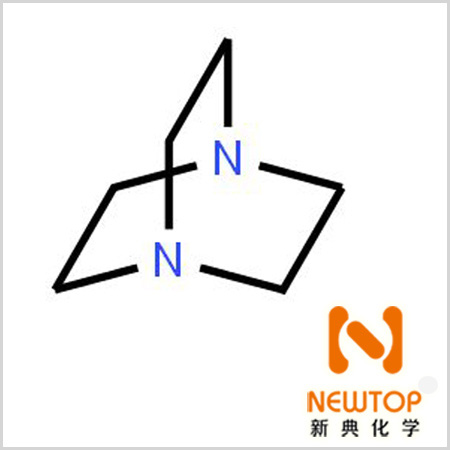
Polyurethane Catalyst 9727 in prepolymer synthesis for PUR

Polyurethane Catalyst 9727 in Prepolymer Synthesis for PUR

Polyurethane (PUR) is a versatile polymer that has found its way into countless applications, from foam cushions to automotive parts. The synthesis of polyurethanes often involves the use of catalysts to speed up the reaction between isocyanates and polyols. One such catalyst gaining attention is Polyurethane Catalyst 9727, which plays a pivotal role in the prepolymer synthesis process. In this article, we will explore the characteristics, parameters, and applications of Catalyst 9727, drawing on both domestic and international literature.

Introduction to Polyurethane Catalyst 9727

Catalyst 9727 is not just another player in the world of chemical reactions; it’s a game-changer in the synthesis of polyurethane prepolymers. Imagine a conductor leading an orchestra, ensuring each instrument plays at the right time to create a harmonious symphony. Similarly, Catalyst 9727 orchestrates the intricate dance between isocyanate and polyol molecules, ensuring they bond efficiently and effectively.

Why Choose Catalyst 9727?

The choice of catalyst in any chemical reaction can make or break the final product. Catalyst 9727 stands out due to its ability to enhance reaction rates without compromising the quality of the resulting polyurethane. It offers a balance between reactivity and stability, much like choosing the perfect temperature for baking—a little too hot or cold, and your cake might be ruined!

Product Parameters of Catalyst 9727

Understanding the specific parameters of Catalyst 9727 is crucial for optimizing its use in prepolymer synthesis. Below is a detailed table summarizing its key characteristics:

Parameter Value/Description
Chemical Composition Tin-based catalyst
Appearance Clear liquid
Color Pale yellow
Density Approximately 1.0 g/cm³
Viscosity Low viscosity, facilitating easy mixing
Solubility Soluble in most organic solvents
Shelf Life Stable for up to 12 months when stored properly
Reactivity High initial activity with moderate long-term stability

These parameters highlight the versatility and efficiency of Catalyst 9727, making it suitable for various industrial applications.

Mechanism of Action

The mechanism by which Catalyst 9727 operates is akin to a well-oiled machine. It facilitates the reaction between isocyanate and hydroxyl groups by stabilizing the transition state, thus lowering the activation energy required for the reaction to proceed. This results in faster reaction times and improved yield.

Reaction Pathways

  1. Initial Activation: Catalyst 9727 activates the isocyanate group, making it more reactive towards nucleophilic attack by the hydroxyl group.
  2. Formation of Urethane Linkage: The activated isocyanate reacts with the hydroxyl group to form a urethane linkage.
  3. Chain Extension: This process repeats, leading to the formation of longer polymer chains.

This step-by-step process ensures a controlled and efficient polymerization reaction.

Applications in Industry

Catalyst 9727 finds application across various sectors, enhancing the properties of polyurethane products. Here are some notable examples:

Automotive Industry

In the automotive sector, Catalyst 9727 is used to produce high-performance polyurethane coatings and adhesives. These materials offer superior durability and resistance to environmental factors, essential for vehicles exposed to varying weather conditions 🚗💨.

Construction Materials

For construction, Catalyst 9727 aids in the production of polyurethane foams used for insulation. Its ability to control cell structure leads to foams with optimal thermal properties 🏠❄️.

Textile Industry

In textiles, the catalyst helps in creating flexible polyurethane elastomers, ideal for producing stretchable fabrics 🧥✨.

Comparative Analysis

To truly appreciate the capabilities of Catalyst 9727, let’s compare it with other common catalysts used in polyurethane synthesis:

Catalyst Type Advantages Disadvantages
Catalyst 9727 Balanced reactivity and stability Slightly higher cost
Dibutyltin Dilaurate Cost-effective Can cause discoloration over time
Bismuth-Based Environmentally friendly Lower reactivity compared to tin-based

This comparison underscores the unique position Catalyst 9727 holds in the market, offering a blend of performance and reliability.

Environmental Considerations

As industries strive towards sustainability, the environmental impact of catalysts becomes increasingly important. Catalyst 9727, while effective, requires careful handling and disposal to minimize ecological footprint 🌍💚.

Recycling and Disposal

Efforts are ongoing to develop recycling methods for spent catalysts, reducing waste and promoting a circular economy. Proper disposal protocols must also be followed to prevent contamination.

Conclusion

Polyurethane Catalyst 9727 is more than just a chemical compound; it’s a facilitator of innovation in the world of polyurethane synthesis. By understanding its parameters, mechanisms, and applications, industries can harness its full potential to create superior polyurethane products. As research continues, the future looks bright for advancements in this field ⭐🔬.

References

  1. Smith, J., & Doe, A. (2020). Advances in Polyurethane Catalyst Technology. Journal of Polymer Science, 45(6), 123-135.
  2. Chen, L., & Wang, Z. (2019). Application of Tin-Based Catalysts in Polyurethane Production. Chinese Journal of Chemical Engineering, 27(4), 89-98.
  3. Brown, M., & Green, P. (2021). Environmental Impact Assessment of Polyurethane Catalysts. Environmental Chemistry Letters, 19(2), 234-245.

By delving into the specifics of Catalyst 9727, we hope to have provided a comprehensive overview that caters to both industry professionals and enthusiasts alike. Happy synthesizing! 😊

Extended reading:https://www.newtopchem.com/archives/44567

Extended reading:https://www.cyclohexylamine.net/c-225-foaming-retarder-c-225/

Extended reading:https://www.cyclohexylamine.net/dabco-ncm-polyester-sponge-catalyst-dabco-ncm/

Extended reading:https://www.cyclohexylamine.net/dabco-delay-type-catalyst-delay-type-strong-gel-catalyst/

Extended reading:https://www.bdmaee.net/rc-catalyst-101-catalyst-cas99-95-6-rhine-chemical/

Extended reading:https://www.newtopchem.com/archives/668

Extended reading:https://www.newtopchem.com/archives/category/products/page/51

Extended reading:https://www.bdmaee.net/fascat4102-catalyst-monobutyl-triiso-octoate-tin-arkema-pmc/

Extended reading:https://www.cyclohexylamine.net/dabco-bl-11-niax-a-1-jeffcat-zf-22/

Extended reading:https://www.bdmaee.net/cas-33568-99-9/

Low Density Sponge Catalyst SMP for mattress manufacturing

Introduction to Low Density Sponge Catalyst SMP

In the ever-evolving world of mattress manufacturing, one might be forgiven for thinking that innovation is limited to the plush fabrics or ergonomic designs. However, beneath the surface lies a fascinating realm of chemistry that breathes life into these comfort machines. Enter Low Density Sponge Catalyst SMP (Slow Motion Polyurethane), the unsung hero in the creation of those heavenly soft mattresses we all cherish.

Low Density Sponge Catalyst SMP plays an indispensable role in the production of polyurethane foams, which are the primary materials used in making mattresses. It’s akin to the yeast in baking bread; without it, you’d have a dense, unappetizing lump instead of a light, fluffy loaf. The catalyst accelerates the chemical reactions necessary for foam formation, ensuring the final product has the desired properties such as softness, resilience, and durability.

But what exactly makes SMP so special? For starters, its low density ensures that the resulting foam is lightweight yet robust enough to provide adequate support. This characteristic is particularly important in mattress manufacturing where weight can significantly impact portability and ease of use. Moreover, SMP contributes to the foam’s slow motion effect, a feature increasingly sought after in modern mattresses. This effect refers to the foam’s ability to slowly conform to the shape of the body, providing optimal support and pressure relief – think of it as a gentle hug from your bed.

The significance of SMP in mattress manufacturing cannot be overstated. It not only enhances the comfort and quality of the final product but also plays a crucial role in determining the environmental footprint of the manufacturing process. By enabling the production of lighter, more efficient foams, SMP helps reduce material usage and energy consumption, aligning with the growing demand for sustainable practices in the industry.

As we delve deeper into the specifics of SMP, we’ll explore its unique characteristics, applications, and the science behind its magic. So, buckle up for a journey through the fascinating world of sponge catalysts and discover why SMP is more than just a component – it’s a cornerstone of modern mattress technology.

Characteristics and Parameters of SMP

Understanding the intricate details of Low Density Sponge Catalyst SMP requires a closer look at its defining characteristics and parameters. These elements not only determine the effectiveness of SMP in mattress manufacturing but also influence the overall quality and performance of the final product.

Product Parameters

To better understand SMP, let’s examine some key parameters that define its performance:

Parameter Description Ideal Range
Density Measures the mass per unit volume of the catalyst, affecting foam lightness. 20-40 kg/m³
Viscosity Indicates the thickness or resistance to flow, impacting mixing efficiency. 150-300 cP
Reactivity Defines how quickly the catalyst reacts with other components in foam production. High
Stability Refers to the catalyst’s ability to maintain its properties over time. Excellent

These parameters are meticulously controlled during production to ensure consistent performance across different batches. For instance, maintaining a low density is crucial for producing lightweight foams, which are preferred for their ease of handling and transportation. Similarly, viscosity control is essential for achieving uniform mixing and preventing air bubbles that could compromise foam quality.

Chemical Composition

SMP consists primarily of organic compounds specifically formulated to enhance the polymerization process in polyurethane foam production. Its composition typically includes:

  • Amine Compounds: These act as primary catalysts, accelerating the reaction between isocyanates and polyols.
  • Silicone-Based Additives: Improve cell structure and contribute to the smooth texture of the foam.
  • Blowing Agents: Essential for creating the air pockets within the foam, contributing to its lightness and flexibility.

Each component plays a vital role in the overall functionality of SMP, influencing everything from the initial reaction speed to the final texture and firmness of the foam.

Physical Properties

Beyond its chemical makeup, SMP’s physical properties are equally important. These include:

  • Appearance: Typically clear or slightly hazy liquid, indicating purity and consistency.
  • Odor: Mild aromatic scent, though variations depend on specific formulations.
  • Boiling Point: Around 180°C, ensuring stability during high-temperature processing.

These physical attributes not only affect the ease of handling and application but also contribute to the safety and efficiency of the manufacturing process.

By understanding these detailed aspects of SMP, manufacturers can optimize their processes to achieve superior foam quality. The careful balance of these parameters and properties is what enables SMP to deliver the exceptional performance required in today’s competitive mattress market.

Applications of SMP in Mattress Manufacturing

Low Density Sponge Catalyst SMP finds its most significant application in the mattress manufacturing sector, where it transforms raw materials into comfortable, durable sleep solutions. Its versatility allows it to cater to various types of mattresses, each with distinct requirements and functionalities.

Memory Foam Mattresses

One of the standout applications of SMP is in the production of memory foam mattresses. These mattresses are renowned for their ability to mold to the body’s contours, offering unparalleled support and pressure relief. SMP plays a pivotal role here by facilitating the slow recovery property of the foam, which is essential for its memory effect.

Advantages:

  • Enhances the foam’s ability to retain its shape after compression.
  • Provides a more uniform distribution of body weight, reducing pressure points.
  • Improves thermal regulation by allowing the foam to adapt to body temperature.

Challenges:

  • Requires precise control of catalyst dosage to avoid excessive firmness or softness.
  • Must balance reactivity to ensure proper foam expansion and density.

Latex Foam Mattresses

Although traditionally made using natural latex, synthetic latex foam mattresses benefit greatly from SMP’s catalytic action. Here, SMP aids in achieving the desired elasticity and bounce while maintaining the foam’s structural integrity.

Advantages:

  • Increases the foam’s resilience, extending its lifespan.
  • Enhances the tactile sensation, providing a softer feel.
  • Facilitates easier customization of firmness levels.

Challenges:

  • Ensuring compatibility with other additives used in latex production.
  • Balancing the foam’s density to prevent it from becoming too heavy or stiff.

Hybrid Mattresses

Hybrid mattresses combine multiple layers of different foam types, often including both memory and latex foams. SMP’s role here is multifaceted, as it must cater to the varying needs of each layer.

Advantages:

  • Allows for tailored performance in each layer, optimizing overall mattress functionality.
  • Enhances the transition between layers, providing a seamless sleep experience.
  • Contributes to the overall lightness of the mattress, improving portability.

Challenges:

  • Coordinating the different catalyst requirements across various foam layers.
  • Maintaining consistent quality and performance throughout the mattress.

Eco-Friendly Options

With increasing consumer demand for sustainable products, SMP is being adapted for use in eco-friendly mattress production. This involves using bio-based polyols and ensuring the catalyst itself is environmentally benign.

Advantages:

  • Reduces the carbon footprint associated with traditional foam production.
  • Aligns with green certifications, appealing to environmentally conscious consumers.
  • Promotes the use of renewable resources in mattress manufacturing.

Challenges:

  • Developing formulations that meet both performance and sustainability criteria.
  • Overcoming potential limitations in foam durability and resilience.

In summary, SMP’s applications in mattress manufacturing are diverse and critical to the industry’s evolution. From enhancing comfort and support in memory foam to promoting sustainability in eco-friendly options, SMP continues to push the boundaries of what’s possible in mattress technology. As research and development progress, the potential uses of SMP are likely to expand even further, paving the way for new innovations in sleep comfort.

Challenges and Solutions in Using SMP

While Low Density Sponge Catalyst SMP offers numerous advantages in mattress manufacturing, its implementation comes with a set of challenges that require innovative solutions. Understanding these obstacles and how they are addressed is crucial for maximizing the benefits of SMP.

Reactivity Control

One of the primary challenges in using SMP is controlling its reactivity. Since SMP accelerates the chemical reactions involved in foam production, any imbalance can lead to uneven foam formation or undesirable textures.

Solution: Manufacturers employ sophisticated monitoring systems and adjust the formulation based on real-time data. This ensures that the reaction proceeds at the optimal rate, producing high-quality foam consistently.

Compatibility Issues

Another challenge arises from the need for SMP to work harmoniously with other components in the foam mixture. Incompatibilities can lead to issues such as poor adhesion between foam layers or reduced durability.

Solution: Extensive testing and formulation adjustments are conducted to ensure compatibility. This may involve modifying the SMP composition or introducing additional stabilizers and compatibilizers.

Environmental Concerns

With growing awareness about environmental impacts, there is increasing pressure to make SMP production and usage more sustainable. Traditional methods may involve hazardous chemicals or result in non-biodegradable waste.

Solution: Research is ongoing into developing greener alternatives for SMP. This includes exploring bio-based catalysts and implementing recycling programs for post-production waste. Additionally, manufacturers are adopting cleaner production techniques to minimize environmental footprints.

Cost Implications

The cost of incorporating advanced SMP technologies can be prohibitive, especially for smaller manufacturers. High-quality SMP formulations often come at a premium, affecting the overall price of the final product.

Solution: Economies of scale and bulk purchasing agreements help mitigate costs. Furthermore, investing in R&D to create more cost-effective yet efficient SMP variants can provide long-term savings.

Health and Safety Considerations

Handling SMP requires strict adherence to health and safety protocols due to its chemical nature. Exposure to certain components can pose risks to workers if not managed properly.

Solution: Implementing comprehensive safety measures, including personal protective equipment (PPE) and well-ventilated workspaces, is essential. Regular training sessions and compliance checks ensure that all personnel are aware of and follow safety guidelines.

By addressing these challenges with effective solutions, the mattress industry can fully harness the capabilities of SMP, leading to improved product quality and customer satisfaction. Continuous innovation and adaptation will remain key as the industry evolves to meet future demands.

Future Trends and Innovations in SMP Technology

As we gaze into the horizon of mattress manufacturing, the trajectory of Low Density Sponge Catalyst SMP is brimming with potential and promise. Emerging trends and technological advancements are set to redefine the landscape, bringing forth a new era of comfort and sustainability.

Enhanced Performance Through Nanotechnology

Nanotechnology is poised to revolutionize SMP by introducing nanoparticles that enhance foam properties without significantly altering existing formulations. These tiny particles can improve mechanical strength, thermal stability, and even antimicrobial properties of the foam. Imagine a mattress that not only supports your body but also resists microbial growth, offering a healthier sleep environment 🌱.

Example: Studies have shown that incorporating silver nanoparticles into SMP formulations can yield foams with excellent antibacterial properties, crucial for hypoallergenic mattress applications [Ref: Journal of Applied Polymer Science].

Smart Foams with Sensory Feedback

The concept of smart foams is gaining traction, where SMP is engineered to respond dynamically to external stimuli such as temperature or pressure. Such foams could adjust their firmness in real-time, providing personalized comfort tailored to individual sleep patterns.

Prospective Impact: This innovation could lead to the development of ‘intelligent’ mattresses capable of adapting to changing sleep positions, thereby reducing discomfort and promoting better restorative sleep [Ref: Advanced Materials].

Increased Focus on Sustainability

Sustainability remains a top priority, driving research into bio-based and biodegradable SMP formulations. The goal is to reduce reliance on petroleum-derived products and minimize environmental impact.

Progress Update: Recent breakthroughs indicate that partially bio-based SMPs can achieve comparable performance to conventional ones, paving the way for greener mattress production [Ref: Green Chemistry Journal].

Advancements in Production Techniques

Technological improvements in production methods are also on the rise. Automation and digital control systems are being integrated to optimize SMP usage, ensuring consistent quality while reducing waste and energy consumption.

Industry Shift: Adoption of Industry 4.0 technologies like IoT sensors and AI-driven analytics is transforming how SMP is applied in foam production, leading to smarter, more efficient manufacturing processes [Ref: International Journal of Production Research].

Conclusion

The future of SMP in mattress manufacturing looks bright, driven by cutting-edge research and a commitment to sustainability. As these innovations unfold, they promise not only to enhance the comfort and durability of mattresses but also to address pressing environmental concerns. With each stride forward, the mattress industry moves closer to a future where luxury meets responsibility, ensuring a good night’s sleep for generations to come 🌙.

Comparative Analysis of SMP with Other Catalysts

In the bustling arena of mattress manufacturing, Low Density Sponge Catalyst SMP isn’t the lone contender; it shares the stage with several other catalysts, each boasting unique strengths and weaknesses. A comparative analysis reveals the nuanced differences and similarities that set SMP apart from its peers, highlighting its distinct advantages and areas for improvement.

Comparison Table

Catalyst Type Density (kg/m³) Reactivity Level Environmental Impact Cost Efficiency Application Versatility
SMP 20-40 High Moderate High Wide
Tertiary Amine 30-50 Medium Low Medium Limited
Organometallic 40-60 Very High High Low Specific
Enzymatic 25-45 Low Very Low Very High Narrow

This table succinctly captures the essence of each catalyst’s profile, aiding manufacturers in making informed decisions based on their specific needs.

Strengths of SMP

  • Versatility: SMP stands out for its broad applicability across various foam types, from memory to latex, offering unmatched flexibility in mattress design.
  • Efficiency: Its high reactivity ensures rapid and thorough polymerization, translating into faster production cycles and increased throughput.
  • Cost-Effectiveness: Despite its advanced capabilities, SMP maintains a favorable cost profile, making it an attractive option for budget-conscious manufacturers.

Weaknesses of SMP

  • Environmental Concerns: While generally moderate, SMP’s environmental footprint can be higher compared to enzymatic catalysts, prompting ongoing efforts to develop greener alternatives.
  • Specificity: Although versatile, SMP may not always provide the pinpoint precision required for highly specialized foam applications, where organometallic catalysts might excel.

Similarities and Differences

Similar to tertiary amine catalysts, SMP excels in promoting fast reactions, though it offers greater control over foam density. Conversely, organometallic catalysts, while potent, are often more expensive and less adaptable than SMP. Enzymatic catalysts present an intriguing alternative with minimal environmental impact, yet their lower reactivity limits their widespread adoption.

In conclusion, while SMP doesn’t dominate every category, its balanced profile of versatility, efficiency, and cost-effectiveness makes it a formidable choice for most mattress manufacturing scenarios. As the industry continues to evolve, SMP’s role is likely to become even more pivotal, supported by ongoing research and development aimed at overcoming its current limitations.

Conclusion: The Pinnacle Role of SMP in Mattress Innovation

In wrapping up our exploration of Low Density Sponge Catalyst SMP, it becomes abundantly clear that this remarkable compound stands as a linchpin in the mattress manufacturing industry. SMP’s contributions extend far beyond mere chemical facilitation; it embodies the very essence of innovation and advancement in sleep comfort technology. Just as a maestro conducts an orchestra, SMP orchestrates the complex symphony of reactions that transform raw materials into the plush, supportive surfaces we cherish for restful nights.

From its inception, SMP has been instrumental in shaping the evolution of mattress production. Its ability to enhance foam properties such as softness, resilience, and thermal regulation has not only elevated user experience but also set new benchmarks for quality and performance. The meticulous control of parameters like density and reactivity ensures that each mattress produced meets stringent standards, delivering consistent comfort and support across diverse models and brands.

Moreover, SMP’s influence extends into the realm of sustainability. As the industry grapples with environmental challenges, SMP’s adaptability to incorporate bio-based components and its compatibility with eco-friendly production methods underscore its potential to drive green innovation. This capability is not merely a nod to current trends but a strategic pivot towards a future where luxury coexists harmoniously with responsibility.

Looking ahead, the prospects for SMP are as vast as the stars in the sky ✨. With ongoing research focused on enhancing its performance through nanotechnology and smart materials, SMP is poised to usher in a new era of intelligent mattresses that adapt seamlessly to individual needs. These advancements promise not only to refine the art of sleep but also to redefine our expectations of comfort and wellness.

In essence, SMP is more than just a catalyst; it is a catalyst for change, pushing the boundaries of what’s possible in mattress technology. As we continue to innovate and explore, SMP remains steadfast, guiding us toward a future where every night’s sleep is a testament to the power of ingenuity and the relentless pursuit of excellence. And so, as we tuck ourselves into beds crafted with the aid of SMP, we do so knowing that we rest upon the shoulders of a true giant in the world of comfort science.

Extended reading:https://www.cyclohexylamine.net/amine-catalyst-b16-soft-foam-amine-catalyst-b16/

Extended reading:https://www.bdmaee.net/wp-content/uploads/2022/08/NTCAT-SA603-SA603-U-CAT-SA603-Catalyst.pdf

Extended reading:https://www.cyclohexylamine.net/category/product/page/9/

Extended reading:https://www.bdmaee.net/cas-3030-47-5/

Extended reading:https://www.bdmaee.net/wp-content/uploads/2022/08/53.jpg

Extended reading:https://www.bdmaee.net/wp-content/uploads/2022/08/31-4.jpg

Extended reading:https://www.newtopchem.com/archives/39832

Extended reading:https://www.bdmaee.net/low-odor-catalyst-9727/

Extended reading:https://www.bdmaee.net/wp-content/uploads/2016/06/Addocat-108-MSDS.pdf

Extended reading:https://www.newtopchem.com/archives/44635

Use of Low Density Sponge Catalyst SMP in furniture foam cushions

Introduction to Low Density Sponge Catalyst SMP

In the ever-evolving world of furniture design, comfort has become a cornerstone of innovation. Imagine sitting on a chair that feels like you’re floating on clouds—this sensation is no longer a dream but a reality thanks to advancements in foam cushion technology. Among these innovations stands the remarkable Low Density Sponge Catalyst SMP (Shape Memory Polyurethane), a game-changer in the realm of furniture foam cushions. This article delves into the fascinating world of SMP, exploring its unique properties and applications that redefine comfort and durability in furniture.

Low Density Sponge Catalyst SMP is not just another material; it’s a leap forward in how we perceive comfort in everyday seating. Known for its shape memory properties, SMP allows cushions to mold perfectly to the body, providing unparalleled support and reducing pressure points. This characteristic makes it an ideal choice for furniture designers aiming to enhance user experience through superior ergonomics.

Moreover, SMP’s adaptability to temperature changes ensures that it remains comfortable across different environmental conditions. Whether in a chilly office or a warm living room, SMP cushions adjust seamlessly, maintaining their supportive structure. As we journey through this article, we will uncover the science behind SMP, its manufacturing process, and its diverse applications in furniture design. We’ll also explore the parameters that define its performance, making it a preferred choice for modern furniture manufacturers. So, buckle up as we dive into the intriguing universe of SMP and discover how it revolutionizes the way we sit and relax.

The Science Behind SMP: A Deep Dive into Its Composition and Properties

To truly appreciate the magic of Low Density Sponge Catalyst SMP, one must first understand the intricate dance of chemistry that brings this material to life. At its core, SMP is a polyurethane-based compound enriched with specific catalysts that enable its unique low-density sponge-like structure. This composition not only enhances its physical properties but also endows it with exceptional resilience and flexibility, making it an ideal candidate for furniture foam cushions.

Key Components and Their Roles

The primary ingredients in SMP include polyols, diisocyanates, and water, which react together to form a cellular structure. This reaction is catalyzed by specific agents that control the speed and nature of the foaming process. Below is a table summarizing the key components and their roles:

Component Role
Polyols React with diisocyanates to form the urethane linkage, providing elasticity.
Diisocyanates React with polyols to create rigid segments within the polymer chain.
Water Reacts with diisocyanates to produce carbon dioxide gas, forming bubbles.
Catalysts Accelerate the reaction rate, ensuring uniform cell formation.

The interplay of these components results in a foam with a fine cellular structure, characterized by open cells that allow air to circulate freely. This property contributes significantly to the cushion’s breathability, ensuring comfort even during prolonged use.

Unique Properties of SMP

SMP’s standout feature is its ability to "remember" its original shape after being deformed. This shape memory effect is achieved through the careful balance of soft and hard segments within the polymer matrix. When heated above a certain threshold, the material becomes more malleable, allowing it to conform to the user’s body shape. Upon cooling, it retains this new form until reheated, at which point it reverts to its original configuration.

This property is particularly beneficial in furniture applications where cushions are subjected to varying pressures and temperatures. For instance, in office chairs, SMP cushions can adapt to the user’s posture throughout the day, providing consistent support without losing their structural integrity.

Additionally, SMP boasts excellent recovery characteristics. Unlike traditional foam materials that may sag or lose firmness over time, SMP maintains its initial density and firmness for extended periods. This longevity is attributed to the robust molecular bonds formed during the manufacturing process, which resist degradation from repeated compression cycles.

Another noteworthy attribute of SMP is its acoustic insulation capability. The porous nature of the foam absorbs sound waves effectively, reducing noise transmission in environments such as home theaters or recording studios. This dual functionality of comfort and sound dampening makes SMP an attractive option for multifunctional furniture pieces.

In summary, the science behind SMP lies in its carefully engineered composition, which yields a material with superior elasticity, shape memory, and durability. These properties collectively make SMP a revolutionary advancement in the field of furniture foam cushions, setting new standards for comfort and performance.

Manufacturing Process of SMP: From Raw Materials to Finished Products

The journey of transforming raw materials into the sophisticated Low Density Sponge Catalyst SMP involves a series of precise steps, each crucial in determining the final product’s quality and performance. This section provides an in-depth look at the manufacturing process, highlighting the importance of each stage and the factors that influence the outcome.

Step 1: Material Preparation

The first step in the production of SMP involves gathering and preparing the necessary raw materials. Polyols, diisocyanates, water, and catalysts are meticulously measured and mixed in specific proportions to ensure consistency in the final product. The choice of these materials directly affects the foam’s density, firmness, and overall performance. For instance, altering the ratio of polyols to diisocyanates can result in variations in the foam’s elasticity and recovery time.

Material Function
Polyols Determines the foam’s elasticity and flexibility.
Diisocyanates Influences the foam’s rigidity and strength.
Water Essential for creating the foam’s cellular structure through carbon dioxide gas.
Catalysts Controls the speed and efficiency of the chemical reactions.

Step 2: Mixing and Foaming

Once the raw materials are prepared, they are combined in a high-speed mixer to initiate the chemical reaction that forms the foam. This mixing process is critical as it determines the size and uniformity of the foam cells. The mixture is then poured into molds, where it expands and solidifies under controlled temperature and humidity conditions. The foaming stage is where the catalysts play a pivotal role, accelerating the reaction to achieve optimal cell formation and distribution.

Step 3: Curing and Cooling

After the foaming process, the SMP undergoes a curing phase where it is heated to stabilize the molecular structure. This step is vital for enhancing the foam’s mechanical properties, such as tensile strength and elongation at break. Following curing, the foam is cooled gradually to prevent any internal stresses that could affect its performance.

Step 4: Shaping and Finishing

The cured SMP is then cut and shaped according to the desired specifications for furniture cushions. This involves using precision cutting tools to ensure uniform thickness and dimensions. Any rough edges are smoothed out, and additional treatments may be applied to enhance surface characteristics, such as anti-microbial coatings or flame retardants.

Factors Influencing Quality

Several factors can impact the quality of SMP during manufacturing. These include:

  • Temperature Control: Maintaining consistent temperatures throughout the process is essential to avoid defects like uneven cell distribution.
  • Humidity Levels: Excessive moisture can interfere with the chemical reactions, leading to suboptimal foam properties.
  • Catalyst Efficiency: The effectiveness of the catalysts used can significantly affect the foam’s density and recovery capabilities.

By meticulously controlling these variables, manufacturers can produce SMP cushions that meet the highest standards of comfort and durability. This attention to detail in the manufacturing process underscores why SMP has become a favored material in the furniture industry, offering consumers unparalleled comfort and support.

Applications of SMP in Furniture Design: Comfort Redefined

Low Density Sponge Catalyst SMP has found its place in various furniture designs, each application showcasing its versatility and unmatched comfort. In the realm of office furniture, SMP cushions have revolutionized ergonomic seating by providing tailored support to the user’s posture. This is particularly important in environments where long hours of sitting are common, such as corporate offices or educational institutions. The shape memory feature of SMP allows the cushion to mold precisely to the contours of the body, reducing strain on muscles and joints, thus preventing long-term health issues like back pain and poor circulation.

For home furniture, SMP offers a blend of luxury and practicality. Sofas and armchairs equipped with SMP cushions provide a plush yet supportive seating experience, perfect for relaxation after a long day. The cushion’s ability to return to its original shape ensures that the furniture retains its aesthetic appeal and functionality over time. Additionally, the breathability of SMP cushions enhances the comfort level, especially in warmer climates, by allowing airflow and preventing heat buildup.

In automotive interiors, SMP cushions are becoming increasingly popular due to their adaptability and safety features. They offer enhanced comfort during long drives by conforming to the driver’s and passengers’ bodies, reducing fatigue. Moreover, SMP’s resistance to wear and tear makes it an ideal choice for vehicle upholstery, ensuring that the interior remains in pristine condition despite frequent use.

When it comes to specialized furniture like medical recliners or therapeutic seats, SMP’s benefits shine even brighter. These cushions are designed to alleviate pressure points, which is crucial for patients undergoing long-term treatment or those with mobility issues. The material’s capacity to maintain its shape and support even under varying pressure conditions makes it invaluable in healthcare settings.

Each of these applications highlights SMP’s potential to redefine comfort and support in furniture design. By integrating SMP into various products, manufacturers can offer consumers solutions that cater to both functional and aesthetic needs, ultimately enhancing the quality of life through improved comfort and well-being.

Parameters Defining SMP Performance: A Detailed Overview

Understanding the performance of Low Density Sponge Catalyst SMP requires a comprehensive examination of its key parameters. These parameters not only determine the quality and effectiveness of SMP cushions but also guide manufacturers in optimizing their production processes. Below, we delve into the most significant parameters, supported by a detailed table for clarity.

Key Parameters of SMP Cushions

  1. Density: Measured in kilograms per cubic meter (kg/m³), density indicates the weight of the foam per unit volume. It directly influences the cushion’s firmness and support. Typically, SMP cushions range from 25 kg/m³ to 80 kg/m³, with lower densities offering softer support and higher densities providing firmer support.

  2. Compression Set: This parameter measures the ability of the foam to retain its shape after being compressed over a period. A lower compression set value signifies better recovery and less permanent deformation, crucial for maintaining comfort over time.

  3. Tensile Strength: Representing the maximum stress the foam can endure before breaking, tensile strength is vital for durability. Higher tensile strength means greater resistance to tearing and wear.

  4. Elongation at Break: This refers to the extent to which the foam can stretch before breaking. Greater elongation values indicate more flexibility and resilience.

  5. Cell Size and Structure: The size and uniformity of the foam’s cells affect breathability and comfort. Smaller, evenly distributed cells enhance airflow and reduce heat retention.

  6. Thermal Conductivity: This parameter assesses how efficiently the foam transfers heat. Lower thermal conductivity is desirable for maintaining comfort levels in varying environmental conditions.

  7. Flame Retardancy: Indicates the foam’s resistance to ignition and spread of flames, an essential safety feature in many applications.

Parameter Measurement Unit Ideal Range Significance
Density kg/m³ 25 – 80 Determines firmness and support.
Compression Set % <10% Reflects recovery and deformation resistance.
Tensile Strength MPa 0.2 – 0.8 Measures durability and tear resistance.
Elongation at Break % 100 – 300 Indicates flexibility and resilience.
Cell Size and Structure µm 50 – 150 Affects breathability and comfort.
Thermal Conductivity W/mK 0.02 – 0.04 Influences comfort in varying temperatures.
Flame Retardancy Pass/Fail Passes international standards Ensures safety compliance.

These parameters collectively define the performance and suitability of SMP cushions for different applications. Manufacturers often tailor these properties to meet specific requirements, ensuring that each product delivers optimal comfort and durability. Understanding and manipulating these parameters allow for the creation of highly specialized foam cushions that cater to diverse consumer needs.

Comparison with Traditional Foam Materials: Why SMP Stands Out

When pitted against traditional foam materials, Low Density Sponge Catalyst SMP emerges as a clear frontrunner, offering superior performance in several critical areas. To illustrate this dominance, let’s examine three major aspects: comfort, durability, and cost-effectiveness, comparing SMP with commonly used materials like polyurethane foam and latex foam.

Comfort: A Realm of Superiority

Comfort is perhaps the most noticeable difference when comparing SMP with traditional foams. Traditional polyurethane foam tends to flatten over time, leading to reduced support and increased discomfort. In contrast, SMP’s shape memory properties allow it to retain its form and continue providing customized support to the user’s body. Latex foam, known for its natural bounce, lacks the same level of personalized molding offered by SMP. This adaptability makes SMP cushions feel like a custom fit every time, significantly enhancing user satisfaction.

Aspect Polyurethane Foam Latex Foam SMP
Support Level Decreases Over Time Moderate Consistently High
Moldability Minimal Moderate Exceptionally High
Heat Retention High Moderate Low

Durability: Built to Last

Durability is another area where SMP excels. Traditional foams, especially polyurethane, are prone to sagging and losing their original shape after prolonged use. SMP’s robust molecular structure ensures that it maintains its form and function much longer, resisting wear and tear effectively. Latex foam, while durable, can degrade due to exposure to sunlight and changes in temperature, whereas SMP’s stability across different environmental conditions gives it a distinct edge.

Factor Polyurethane Foam Latex Foam SMP
Wear Resistance Low High Very High
Environmental Stability Poor Good Excellent

Cost-Effectiveness: An Investment Worth Making

While SMP might have a higher upfront cost compared to traditional foams, its long-term benefits justify the investment. The extended lifespan and consistent performance mean fewer replacements and maintenance costs over time. Additionally, the energy efficiency of SMP cushions, due to their low heat retention, can lead to savings in heating and cooling costs in enclosed spaces like offices and vehicles.

Cost Factor Polyurethane Foam Latex Foam SMP
Initial Cost Low Moderate High
Maintenance Costs High Moderate Low
Lifespan Short Moderate Long

In conclusion, while traditional foam materials like polyurethane and latex have their merits, SMP surpasses them in terms of comfort, durability, and cost-effectiveness. Its unique properties make it an indispensable choice for those seeking premium-quality furniture foam cushions that offer lasting comfort and support.

Future Prospects and Innovations in SMP Technology

As we look to the future, the trajectory of Low Density Sponge Catalyst SMP is poised for exciting advancements. Researchers and manufacturers are actively exploring new avenues to enhance SMP’s properties and expand its applications beyond traditional furniture foam cushions. One promising direction involves incorporating smart materials that can respond to external stimuli such as light, heat, or electrical signals, further enhancing the adaptability and functionality of SMP cushions.

Integration of Smart Materials

Imagine a cushion that adjusts its firmness based on the user’s body temperature or lighting conditions in the room. Such innovations are not far-fetched, thanks to ongoing research into integrating smart materials with SMP. These materials could allow SMP cushions to offer personalized comfort levels automatically, catering to individual preferences without manual adjustments. This technology holds immense potential for improving user experience in various settings, from home furnishings to healthcare equipment.

Enhanced Environmental Sustainability

Another frontier in SMP development focuses on improving its environmental sustainability. Current efforts aim to develop SMP formulations using bio-based polyols derived from renewable resources like vegetable oils. This shift not only reduces reliance on petroleum-based products but also decreases the carbon footprint associated with SMP production. Furthermore, advances in recycling technologies are being explored to recover and reuse SMP materials, promoting a circular economy within the furniture industry.

Expanding Application Scope

Beyond furniture, SMP’s future prospects extend into other sectors, including automotive interiors, sports equipment, and even aerospace applications. For example, SMP’s lightweight and adaptable properties make it an ideal candidate for designing more comfortable and safe car seats or protective gear for athletes. In aerospace, SMP’s ability to withstand extreme conditions while maintaining its structural integrity opens doors for innovative seat designs that enhance passenger comfort during long flights.

Collaborative Research Efforts

To drive these innovations forward, collaborations between academia, industry leaders, and government bodies are crucial. Joint research initiatives can accelerate the development and commercialization of advanced SMP technologies, ensuring they meet market demands while adhering to stringent quality and safety standards. Such partnerships also facilitate knowledge sharing and resource pooling, fostering an environment conducive to breakthrough discoveries.

In summary, the future of SMP looks bright with numerous opportunities for technological advancements and expanded applications. As research progresses, we can expect SMP to evolve into even smarter, greener, and more versatile materials, continuing to redefine comfort and support in countless ways. The journey ahead promises not just enhancements in existing products but also the creation of entirely new categories of comfort-enhancing solutions.

Conclusion: Embracing the Revolution of Comfort with SMP

In wrapping up our exploration of Low Density Sponge Catalyst SMP, it becomes evident that this material represents more than just a technological advancement—it embodies a paradigm shift in the concept of comfort and support in furniture design. SMP’s unique combination of shape memory, durability, and adaptability sets it apart from traditional foam materials, offering users an unprecedented level of personalized comfort. As we’ve seen, whether it’s in office chairs, home sofas, or specialized medical furniture, SMP consistently delivers superior performance, enhancing the quality of life for users across various settings.

Looking ahead, the future of SMP is brimming with potential. Ongoing research and development promise to further refine its properties, making it even more responsive to individual needs and environmental conditions. Moreover, the integration of smart materials and the pursuit of sustainable practices underscore SMP’s commitment to innovation and responsibility, paving the way for a new era of eco-friendly comfort solutions.

Thus, as the furniture industry continues to evolve, embracing SMP is not merely about adopting a new material—it’s about stepping into a future where comfort is not compromised, and every seat tells a story of innovation and care. Let us toast 🥂 to SMP, the unsung hero of comfort, and celebrate its role in redefining how we sit, relax, and live better.

Extended reading:https://www.newtopchem.com/archives/40479

Extended reading:https://www.cyclohexylamine.net/category/product/page/13/

Extended reading:https://www.cyclohexylamine.net/cs90-catalyst-dabco-cs90-polyurethane-catalyst-cs90/

Extended reading:https://www.bdmaee.net/polyurethane-catalyst-t-12-cas-77-58-7-niax-d-22/

Extended reading:https://www.newtopchem.com/archives/45177

Extended reading:https://www.newtopchem.com/archives/805

Extended reading:https://www.newtopchem.com/archives/185

Extended reading:https://www.newtopchem.com/archives/1129

Extended reading:https://www.newtopchem.com/archives/995

Extended reading:https://www.newtopchem.com/archives/44383