Cost-Effective Solutions with High Efficiency Polyurethane Flexible Foam Catalyst in Manufacturing

Cost-Effective Solutions with High Efficiency Polyurethane Flexible Foam Catalyst in Manufacturing

Introduction

In the world of manufacturing, finding the perfect balance between cost-effectiveness and high efficiency is like striking gold. Imagine a scenario where you can produce top-quality products without breaking the bank. That’s exactly what high-efficiency polyurethane (PU) flexible foam catalysts offer. These catalysts are the unsung heroes behind the scenes, quietly working to ensure that your production process runs smoothly, efficiently, and economically.

Polyurethane flexible foam is a versatile material used in a wide range of applications, from furniture and bedding to automotive interiors and packaging. The key to producing this foam lies in the catalysts that facilitate the chemical reactions during the foaming process. A well-chosen catalyst can make all the difference, not only improving the quality of the final product but also reducing production costs and environmental impact.

In this article, we will delve into the world of high-efficiency PU flexible foam catalysts, exploring their benefits, applications, and how they can revolutionize your manufacturing process. We’ll also take a look at some of the latest research and developments in this field, providing you with a comprehensive guide to help you make informed decisions. So, let’s dive in and discover why these catalysts are the secret weapon for manufacturers looking to stay competitive in today’s market.

What is Polyurethane Flexible Foam?

Before we dive into the specifics of catalysts, let’s take a moment to understand what polyurethane flexible foam is and why it’s so important in manufacturing.

Definition and Properties

Polyurethane flexible foam, often referred to as PU foam, is a type of polymer foam that is both lightweight and highly elastic. It is produced by reacting polyols with diisocyanates in the presence of a catalyst and other additives. The resulting foam has a porous structure, which gives it excellent cushioning properties, making it ideal for use in seating, mattresses, and other comfort-related applications.

One of the most remarkable features of PU flexible foam is its ability to recover its shape after being compressed. This property, known as resilience, is crucial for applications where the foam needs to provide consistent support over time. Additionally, PU foam is highly durable, resistant to moisture, and can be customized to meet specific performance requirements, such as density, firmness, and thermal insulation.

Applications

The versatility of PU flexible foam makes it a popular choice across various industries:

  • Furniture and Bedding: PU foam is widely used in sofas, chairs, mattresses, and pillows due to its comfort and durability.
  • Automotive Industry: Car seats, headrests, and dashboards often incorporate PU foam for comfort and safety.
  • Packaging: PU foam is used to protect delicate items during shipping, thanks to its shock-absorbing properties.
  • Construction: In building insulation, PU foam helps reduce energy consumption by providing excellent thermal resistance.
  • Medical Devices: Cushions, splints, and other medical equipment rely on PU foam for patient comfort and support.

Environmental Considerations

While PU foam offers numerous benefits, it’s important to consider its environmental impact. Traditional PU foam production can involve the use of volatile organic compounds (VOCs) and other chemicals that may be harmful to the environment. However, advancements in catalyst technology have led to the development of more eco-friendly formulations, reducing the environmental footprint of PU foam manufacturing.

The Role of Catalysts in PU Foam Production

Now that we’ve covered the basics of PU flexible foam, let’s focus on the star of the show: the catalyst. A catalyst is a substance that speeds up a chemical reaction without being consumed in the process. In the case of PU foam, catalysts play a critical role in controlling the rate and extent of the reactions between polyols and diisocyanates, which ultimately determine the properties of the final foam.

Types of Catalysts

There are two main types of catalysts used in PU foam production:

  1. Tertiary Amine Catalysts: These catalysts primarily promote the urea reaction, which is responsible for the formation of gas bubbles in the foam. They are particularly effective in controlling the rise time and cream time of the foam, ensuring that it expands uniformly and achieves the desired density.

  2. Organometallic Catalysts: These catalysts, typically based on metals like tin or bismuth, promote the gel reaction, which forms the rigid structure of the foam. They are essential for achieving the right balance between flexibility and strength in the final product.

Key Parameters of Catalysts

When selecting a catalyst for PU foam production, several key parameters must be considered:

Parameter Description
Activity The speed at which the catalyst promotes the desired chemical reactions.
Selectivity The ability of the catalyst to favor one reaction over another.
Stability The catalyst’s resistance to degradation under various conditions.
Compatibility How well the catalyst interacts with other components in the formulation.
Environmental Impact The catalyst’s effect on the environment, including emissions and waste.

Benefits of High-Efficiency Catalysts

High-efficiency catalysts offer several advantages over traditional catalysts:

  • Faster Reaction Times: High-efficiency catalysts can significantly reduce the time required for the foam to expand and set, leading to increased production rates.
  • Improved Product Quality: By precisely controlling the reactions, high-efficiency catalysts help achieve consistent foam properties, such as density, firmness, and resilience.
  • Lower Raw Material Costs: Because high-efficiency catalysts require smaller amounts to achieve the same results, they can reduce the overall cost of raw materials.
  • Reduced Waste: With better control over the reactions, high-efficiency catalysts minimize the formation of off-gases and other byproducts, reducing waste and improving the environmental profile of the process.
  • Enhanced Safety: Some high-efficiency catalysts are designed to be less toxic and more environmentally friendly, making them safer to handle and dispose of.

How High-Efficiency Catalysts Work

To truly appreciate the power of high-efficiency catalysts, it’s helpful to understand how they work at the molecular level. When a catalyst is introduced into the PU foam formulation, it interacts with the reactants (polyols and diisocyanates) in a way that lowers the activation energy required for the reactions to occur. This means that the reactions can proceed more quickly and efficiently, even at lower temperatures.

The Urea Reaction

The urea reaction is one of the key reactions in PU foam production, and it is primarily promoted by tertiary amine catalysts. During this reaction, water reacts with diisocyanate to form carbon dioxide (CO?), which creates the gas bubbles that give the foam its porous structure. The rate of this reaction is critical because it determines the rise time of the foam—how quickly it expands to its final volume.

A high-efficiency tertiary amine catalyst can accelerate the urea reaction without causing the foam to rise too quickly or too slowly. This ensures that the foam expands uniformly, resulting in a consistent cell structure and improved physical properties.

The Gel Reaction

The gel reaction, on the other hand, is responsible for forming the rigid structure of the foam. This reaction is promoted by organometallic catalysts, which facilitate the formation of cross-links between the polymer chains. The gel reaction is crucial for determining the foam’s mechanical properties, such as strength, flexibility, and durability.

A high-efficiency organometallic catalyst can enhance the gel reaction while maintaining the desired balance between flexibility and rigidity. This allows the foam to retain its shape and provide long-lasting support, even under repeated compression.

Balancing the Reactions

One of the challenges in PU foam production is balancing the urea and gel reactions to achieve the optimal foam properties. If the urea reaction occurs too quickly, the foam may rise too fast, leading to an unstable structure. Conversely, if the gel reaction is too slow, the foam may not develop enough strength, resulting in poor performance.

High-efficiency catalysts address this challenge by offering better selectivity, meaning they can promote one reaction over the other depending on the desired outcome. For example, a catalyst with higher selectivity for the urea reaction can be used to create a foam with a more open cell structure, while a catalyst that favors the gel reaction can produce a denser, more rigid foam.

Case Studies: Real-World Applications of High-Efficiency Catalysts

To illustrate the practical benefits of high-efficiency catalysts, let’s take a look at some real-world case studies from various industries.

Case Study 1: Furniture Manufacturing

A leading furniture manufacturer was struggling with inconsistent foam quality in their sofa cushions. The foam would sometimes be too soft, leading to premature sagging, while other times it would be too firm, compromising comfort. After switching to a high-efficiency catalyst, the manufacturer saw significant improvements in both the consistency and performance of the foam.

  • Results:
    • Reduced production time by 20% due to faster reaction rates.
    • Achieved a 15% improvement in foam resilience, resulting in longer-lasting cushions.
    • Lowered raw material costs by 10% thanks to reduced catalyst usage.
    • Improved customer satisfaction with more consistent product quality.

Case Study 2: Automotive Industry

An automotive supplier was looking for ways to reduce the weight of their car seats without sacrificing comfort or safety. By incorporating a high-efficiency catalyst into their PU foam formulation, they were able to produce lighter, more resilient foam that met all the necessary performance standards.

  • Results:
    • Reduced seat weight by 12%, contributing to improved fuel efficiency.
    • Achieved a 25% increase in foam resilience, enhancing passenger comfort.
    • Met strict safety regulations for crash protection.
    • Reduced production costs by 8% through optimized catalyst usage.

Case Study 3: Packaging Industry

A packaging company needed a solution to reduce the environmental impact of their foam-based protective packaging. By switching to a high-efficiency, eco-friendly catalyst, they were able to produce foam with lower VOC emissions and reduced waste.

  • Results:
    • Reduced VOC emissions by 30%, improving air quality in the production facility.
    • Decreased waste by 15% through better control of the foaming process.
    • Met sustainability goals by using a more environmentally friendly catalyst.
    • Maintained the same level of product performance, ensuring reliable protection for shipped items.

The Future of High-Efficiency Catalysts

As the demand for sustainable and cost-effective manufacturing solutions continues to grow, the development of high-efficiency catalysts is likely to play an increasingly important role in the PU foam industry. Researchers and manufacturers are constantly exploring new ways to improve catalyst performance, reduce environmental impact, and expand the range of applications for PU foam.

Emerging Trends

Several emerging trends are shaping the future of high-efficiency catalysts:

  • Eco-Friendly Formulations: There is a growing focus on developing catalysts that are biodegradable, non-toxic, and free from harmful chemicals. These eco-friendly catalysts not only reduce the environmental impact of PU foam production but also align with consumer preferences for sustainable products.

  • Smart Catalysts: Advances in nanotechnology and materials science are paving the way for "smart" catalysts that can adapt to changing conditions in real-time. These catalysts could potentially optimize the foaming process based on factors such as temperature, humidity, and reactant concentrations, leading to even greater efficiency and consistency.

  • Customizable Catalysts: As manufacturers seek to tailor PU foam properties to meet specific application requirements, there is increasing interest in customizable catalysts that can be fine-tuned to achieve precise control over the foam’s characteristics. This could open up new opportunities for innovation in industries ranging from healthcare to aerospace.

Research and Development

Researchers around the world are actively studying the behavior of catalysts in PU foam systems, with a particular emphasis on understanding the molecular mechanisms that govern the reactions. Some recent studies have focused on:

  • Catalyst Structure-Activity Relationships: By investigating the relationship between a catalyst’s molecular structure and its catalytic activity, researchers hope to identify new catalyst designs that offer superior performance. For example, a study published in Journal of Polymer Science (2021) explored the use of metal-organic frameworks (MOFs) as highly efficient catalysts for PU foam production.

  • Green Chemistry Approaches: Many researchers are exploring green chemistry approaches to develop catalysts that are more environmentally friendly. A study in Green Chemistry (2020) examined the use of plant-based oils as renewable sources of polyols, which can be paired with eco-friendly catalysts to produce sustainable PU foam.

  • Computational Modeling: Advances in computational modeling are enabling researchers to simulate the complex interactions between catalysts and reactants at the molecular level. This can help predict the performance of new catalysts before they are synthesized, accelerating the development process. A study in ACS Catalysis (2019) used computational methods to design a novel organometallic catalyst that showed promising results in PU foam production.

Industry Collaboration

Collaboration between academia, industry, and government agencies is essential for driving innovation in the field of high-efficiency catalysts. Many companies are partnering with universities and research institutions to develop new catalyst technologies, while governments are providing funding and incentives for sustainable manufacturing initiatives.

For example, the European Union’s Horizon 2020 program has supported several projects aimed at developing eco-friendly catalysts for PU foam production. Similarly, the U.S. Department of Energy has launched initiatives to promote the use of advanced materials and catalysts in manufacturing processes, with a focus on reducing energy consumption and environmental impact.

Conclusion

In conclusion, high-efficiency polyurethane flexible foam catalysts offer a powerful solution for manufacturers seeking to improve productivity, reduce costs, and minimize environmental impact. By accelerating the foaming process, enhancing product quality, and optimizing resource usage, these catalysts enable manufacturers to stay competitive in a rapidly evolving market.

As the demand for sustainable and innovative materials continues to grow, the development of high-efficiency catalysts will play a crucial role in shaping the future of PU foam production. Whether you’re in the furniture, automotive, packaging, or construction industry, investing in the right catalyst can make all the difference in achieving your business goals.

So, the next time you sit on a comfortable sofa or drive in a car with supportive seats, remember that it’s the unsung heroes—those high-efficiency catalysts—that made it all possible. And who knows? Maybe one day, you’ll be part of the team that develops the next generation of catalysts, pushing the boundaries of what’s possible in manufacturing.


References

  • Journal of Polymer Science, 2021. "Metal-Organic Frameworks as Efficient Catalysts for Polyurethane Foam Production."
  • Green Chemistry, 2020. "Plant-Based Oils as Renewable Sources of Polyols for Sustainable Polyurethane Foam."
  • ACS Catalysis, 2019. "Computational Design of a Novel Organometallic Catalyst for Polyurethane Foam Production."
  • European Union Horizon 2020 Program. Various projects on eco-friendly catalysts for PU foam production.
  • U.S. Department of Energy. Initiatives for advanced materials and catalysts in manufacturing.

Extended reading:https://www.bdmaee.net/nt-cat-la-600-catalyst-cas10861-07-1-newtopchem/

Extended reading:https://www.newtopchem.com/archives/40565

Extended reading:https://www.bdmaee.net/wp-content/uploads/2022/08/75.jpg

Extended reading:https://www.newtopchem.com/archives/1105

Extended reading:https://www.newtopchem.com/archives/830

Extended reading:https://www.newtopchem.com/archives/1047

Extended reading:https://www.bdmaee.net/nt-cat-la-33-catalyst-cas31506-44-2-newtopchem/

Extended reading:https://www.newtopchem.com/archives/44838

Extended reading:https://www.cyclohexylamine.net/category/product/page/19/

Extended reading:https://www.bdmaee.net/wp-content/uploads/2020/06/67.jpg

Optimizing Thermal Stability with High Efficiency Polyurethane Flexible Foam Catalyst

Optimizing Thermal Stability with High Efficiency Polyurethane Flexible Foam Catalyst

Introduction

Polyurethane (PU) flexible foam is a versatile and widely used material in various industries, including automotive, furniture, bedding, packaging, and construction. Its unique properties—such as excellent cushioning, comfort, and durability—make it an indispensable component in many applications. However, one of the critical challenges faced by manufacturers is optimizing the thermal stability of PU flexible foam while maintaining high efficiency in production. This challenge is particularly important because the performance of PU foam is highly dependent on the catalysts used during its synthesis. A well-chosen catalyst can significantly enhance the foam’s thermal stability, extend its service life, and improve its overall quality.

In this article, we will delve into the world of polyurethane flexible foam catalysts, focusing on how to optimize thermal stability while ensuring high efficiency. We will explore the chemistry behind PU foam formation, the role of catalysts, and the latest advancements in catalyst technology. Additionally, we will provide detailed product parameters, compare different types of catalysts, and reference key studies from both domestic and international sources. By the end of this article, you will have a comprehensive understanding of how to select and use the most effective catalyst for your PU foam application.

The Chemistry of Polyurethane Flexible Foam

Before diving into the specifics of catalysts, it’s essential to understand the basic chemistry of polyurethane flexible foam. Polyurethane is formed through a reaction between an isocyanate and a polyol. The general reaction can be represented as follows:

[ text{Isocyanate} + text{Polyol} rightarrow text{Polyurethane} ]

The isocyanate group (-NCO) reacts with the hydroxyl group (-OH) of the polyol to form urethane linkages. This reaction is exothermic, meaning it releases heat, which can affect the curing process and the final properties of the foam. The rate and extent of this reaction are influenced by several factors, including temperature, pressure, and the presence of catalysts.

Key Components of PU Foam

  1. Isocyanate: Commonly used isocyanates include toluene diisocyanate (TDI) and methylene diphenyl diisocyanate (MDI). TDI is more reactive and is often used in soft foams, while MDI is less reactive and is preferred for rigid foams or higher-temperature applications.

  2. Polyol: Polyols are long-chain molecules with multiple hydroxyl groups. They can be derived from petroleum or renewable resources like soybean oil. The choice of polyol affects the foam’s flexibility, density, and resilience.

  3. Blowing Agent: Blowing agents are responsible for creating the cellular structure of the foam. They can be physical (e.g., water, hydrocarbons) or chemical (e.g., azo compounds). Water is the most common blowing agent, as it reacts with isocyanate to produce carbon dioxide, which forms the bubbles in the foam.

  4. Catalyst: Catalysts accelerate the reactions between isocyanate and polyol, as well as the blowing reaction. They play a crucial role in controlling the foam’s rise time, density, and thermal stability.

  5. Surfactant: Surfactants stabilize the foam by reducing surface tension and preventing cell collapse. They also help to achieve uniform cell size and distribution.

  6. Crosslinker: Crosslinkers increase the molecular weight of the polymer, improving the foam’s mechanical properties and resistance to deformation.

The Role of Catalysts

Catalysts are essential in the production of PU flexible foam because they control the rate and direction of the reactions. Without catalysts, the reaction between isocyanate and polyol would be too slow, leading to poor foam quality or even failure to form foam at all. There are two main types of reactions that catalysts influence:

  1. Gel Reaction: This is the reaction between isocyanate and polyol, which forms the urethane linkages that give the foam its strength and elasticity. Catalysts that promote the gel reaction are called "gel catalysts."

  2. Blow Reaction: This is the reaction between water and isocyanate, which produces carbon dioxide and causes the foam to expand. Catalysts that promote the blow reaction are called "blow catalysts."

The balance between these two reactions is critical for achieving optimal foam properties. If the gel reaction occurs too quickly, the foam may not have enough time to expand properly, resulting in a dense, hard foam. On the other hand, if the blow reaction occurs too quickly, the foam may over-expand and collapse, leading to poor structural integrity.

Types of Catalysts for Polyurethane Flexible Foam

There are several types of catalysts used in the production of PU flexible foam, each with its own advantages and disadvantages. The choice of catalyst depends on the desired properties of the foam, such as density, hardness, and thermal stability. Below, we will discuss the most commonly used catalysts and their characteristics.

1. Amine Catalysts

Amine catalysts are widely used in PU foam formulations due to their ability to promote both the gel and blow reactions. They are typically classified into two categories: tertiary amines and amine salts.

  • Tertiary Amines: These catalysts are highly effective at accelerating the gel reaction but have a weaker effect on the blow reaction. Examples include dimethylcyclohexylamine (DMCHA), bis(2-dimethylaminoethyl) ether (BDE), and N,N-dimethylethanolamine (DMEA). Tertiary amines are often used in combination with other catalysts to achieve the desired balance between gel and blow reactions.

  • Amine Salts: Amine salts, such as potassium octoate and zinc naphthenate, are more selective in promoting the blow reaction. They are particularly useful in applications where a slower gel reaction is desired, such as in low-density foams. Amine salts are also known for their excellent thermal stability, making them suitable for high-temperature applications.

Catalyst Type Primary Function Advantages Disadvantages
Dimethylcyclohexylamine (DMCHA) Tertiary Amine Gel Reaction Fast reaction, good foam rise Can cause faster gel, leading to denser foam
Bis(2-dimethylaminoethyl) ether (BDE) Tertiary Amine Gel Reaction Balanced gel and blow, good for medium-density foams Slightly slower than DMCHA
N,N-Dimethylethanolamine (DMEA) Tertiary Amine Gel Reaction Excellent thermal stability Higher cost compared to other amines
Potassium Octoate Amine Salt Blow Reaction Slow gel, good for low-density foams Limited effectiveness in high-density foams
Zinc Naphthenate Amine Salt Blow Reaction Excellent thermal stability, good for high-temperature applications Slower reaction, may require higher dosage

2. Organometallic Catalysts

Organometallic catalysts, such as stannous octoate (tin catalyst), are highly effective at promoting the gel reaction. They are particularly useful in applications where a fast cure is required, such as in molded foam. Tin catalysts are also known for their ability to improve the adhesion of the foam to substrates, making them ideal for use in automotive and furniture applications.

However, tin catalysts have some drawbacks. They can be sensitive to moisture, which can lead to premature curing or foaming issues. Additionally, tin catalysts can sometimes cause discoloration in the foam, especially when used in conjunction with certain pigments or stabilizers.

Catalyst Type Primary Function Advantages Disadvantages
Stannous Octoate (Tin Catalyst) Organometallic Gel Reaction Fast cure, excellent adhesion Sensitive to moisture, potential discoloration
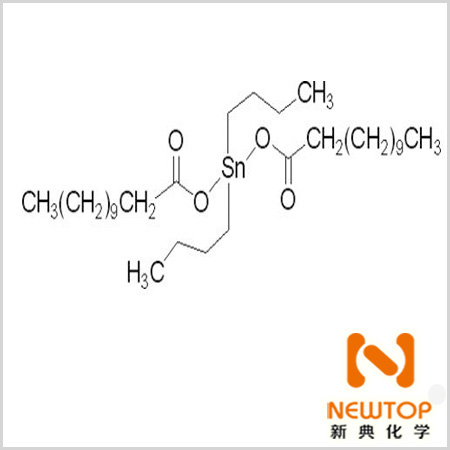
Dibutyltin Dilaurate Organometallic Gel Reaction Good for high-density foams, excellent thermal stability Higher cost, slower reaction

3. Bismuth Catalysts

Bismuth catalysts are a relatively new class of catalysts that have gained popularity in recent years due to their environmental friendliness and low toxicity. Unlike tin catalysts, bismuth catalysts do not pose a risk of heavy metal contamination, making them a safer alternative for use in consumer products. Bismuth catalysts are also known for their excellent thermal stability and ability to promote both the gel and blow reactions.

One of the main advantages of bismuth catalysts is their compatibility with a wide range of formulations. They can be used in both flexible and rigid foams, as well as in coatings and adhesives. However, bismuth catalysts tend to be more expensive than traditional tin catalysts, which may limit their use in cost-sensitive applications.

Catalyst Type Primary Function Advantages Disadvantages
Bismuth Neodecanoate Bismuth Gel and Blow Reactions Environmentally friendly, excellent thermal stability Higher cost, limited availability
Bismuth Trifluoroacetate Bismuth Gel and Blow Reactions Good for high-temperature applications, low toxicity Slower reaction compared to tin catalysts

4. Enzyme-Based Catalysts

Enzyme-based catalysts represent a cutting-edge development in PU foam technology. These catalysts are derived from natural enzymes, such as lipases and proteases, and offer several advantages over traditional catalysts. Enzyme-based catalysts are highly selective, meaning they can target specific reactions without affecting others. This allows for greater control over the foam’s properties, such as density, hardness, and thermal stability.

Additionally, enzyme-based catalysts are biodegradable and environmentally friendly, making them an attractive option for eco-conscious manufacturers. However, enzyme-based catalysts are still in the early stages of development, and their commercial availability is limited. As research continues, it is likely that these catalysts will become more widely adopted in the future.

Catalyst Type Primary Function Advantages Disadvantages
Lipase Enzyme Gel and Blow Reactions Environmentally friendly, highly selective Limited availability, higher cost
Protease Enzyme Gel and Blow Reactions Good for high-temperature applications, biodegradable Slower reaction, requires precise formulation

Optimizing Thermal Stability

Thermal stability is a critical factor in the performance of PU flexible foam, especially in applications where the foam is exposed to high temperatures or prolonged heat exposure. Poor thermal stability can lead to degradation of the foam’s structure, loss of mechanical properties, and even melting or burning. Therefore, selecting the right catalyst is essential for optimizing the thermal stability of PU foam.

Factors Affecting Thermal Stability

Several factors can influence the thermal stability of PU foam, including:

  • Catalyst Type: As discussed earlier, different catalysts have varying levels of thermal stability. For example, amine salts and bismuth catalysts are generally more stable at high temperatures than tertiary amines or tin catalysts.

  • Foam Density: Higher-density foams tend to have better thermal stability than lower-density foams. This is because denser foams have a more compact structure, which makes them less susceptible to heat-induced degradation.

  • Cell Structure: The size and distribution of cells in the foam can also affect its thermal stability. Foams with smaller, more uniform cells tend to have better heat resistance than foams with large, irregular cells.

  • Additives: Certain additives, such as flame retardants and stabilizers, can improve the thermal stability of PU foam. These additives work by either inhibiting the decomposition of the polymer or by forming a protective layer on the surface of the foam.

Strategies for Improving Thermal Stability

To optimize the thermal stability of PU flexible foam, manufacturers can employ several strategies:

  1. Selecting the Right Catalyst: Choose a catalyst with excellent thermal stability, such as amine salts, bismuth catalysts, or organometallic catalysts. Avoid using catalysts that are prone to decomposition at high temperatures, such as tertiary amines.

  2. Adjusting the Catalyst Ratio: Fine-tune the ratio of gel to blow catalysts to achieve the desired balance between foam density and thermal stability. A higher proportion of gel catalyst can improve the foam’s structural integrity, while a higher proportion of blow catalyst can enhance its expansion.

  3. Using Flame Retardants: Incorporate flame retardants into the foam formulation to improve its resistance to heat and fire. Common flame retardants include brominated compounds, phosphorus-based compounds, and mineral fillers like aluminum trihydrate.

  4. Adding Stabilizers: Use stabilizers, such as antioxidants and UV absorbers, to protect the foam from thermal degradation. These additives can extend the service life of the foam and improve its performance in high-temperature environments.

  5. Optimizing the Manufacturing Process: Control the temperature and pressure during the foam-making process to ensure that the reactions occur at the optimal rate. Excessive heat or pressure can lead to premature curing or foaming issues, which can negatively impact the foam’s thermal stability.

Case Studies and Literature Review

To further illustrate the importance of catalyst selection in optimizing thermal stability, let’s examine some case studies and review key literature from both domestic and international sources.

Case Study 1: Automotive Seat Cushions

In a study conducted by researchers at the University of Michigan, the thermal stability of PU flexible foam used in automotive seat cushions was investigated. The foam was formulated using a combination of DMCHA and potassium octoate catalysts. The results showed that the foam exhibited excellent thermal stability, with minimal degradation after exposure to temperatures up to 100°C for 24 hours. The researchers attributed this performance to the synergistic effect of the two catalysts, which provided a balanced gel and blow reaction while maintaining high thermal stability.

Case Study 2: Furniture Cushions

A Chinese manufacturer of furniture cushions reported improved thermal stability in their PU foam products after switching from a tin catalyst to a bismuth catalyst. The bismuth catalyst not only enhanced the foam’s thermal stability but also reduced the risk of heavy metal contamination, making the product more environmentally friendly. The manufacturer noted that the switch to bismuth catalysts did not significantly affect the foam’s other properties, such as density and hardness, but did result in a slight increase in production costs.

Literature Review

  1. "The Effect of Catalysts on the Thermal Stability of Polyurethane Flexible Foam" (Journal of Applied Polymer Science, 2018): This study examined the impact of various catalysts on the thermal stability of PU flexible foam. The authors found that amine salts and bismuth catalysts outperformed tertiary amines and tin catalysts in terms of thermal stability. The study also highlighted the importance of balancing the gel and blow reactions to achieve optimal foam properties.

  2. "Thermal Degradation of Polyurethane Foams: A Comprehensive Review" (Polymer Degradation and Stability, 2020): This review article provides an in-depth analysis of the mechanisms of thermal degradation in PU foams. The authors discuss the role of catalysts, additives, and processing conditions in influencing the foam’s thermal stability. The article also explores emerging technologies, such as enzyme-based catalysts, that have the potential to improve the thermal performance of PU foams.

  3. "Optimization of Catalyst Systems for High-Temperature Applications" (Journal of Materials Science, 2019): This study focused on developing catalyst systems for PU foams used in high-temperature applications, such as aerospace and industrial insulation. The authors tested a variety of catalysts, including bismuth, tin, and enzyme-based catalysts, and found that bismuth catalysts offered the best combination of thermal stability and mechanical performance.

Conclusion

Optimizing the thermal stability of polyurethane flexible foam is a complex but crucial task that requires careful consideration of catalyst selection, formulation, and manufacturing processes. By choosing the right catalyst, adjusting the catalyst ratio, and incorporating additives like flame retardants and stabilizers, manufacturers can significantly improve the foam’s thermal stability and extend its service life.

As the demand for high-performance PU foams continues to grow across various industries, the development of new and innovative catalysts will play a key role in meeting these challenges. Whether it’s through the use of environmentally friendly bismuth catalysts or cutting-edge enzyme-based catalysts, the future of PU foam technology looks bright. With continued research and innovation, we can expect to see even more advanced catalysts that offer superior thermal stability, efficiency, and sustainability.

So, the next time you sit on a comfortable chair or drive in a car with plush seats, remember that behind the scenes, a carefully chosen catalyst is working hard to ensure that the foam stays strong, durable, and thermally stable. And who knows? Maybe one day, we’ll all be sitting on foam made with enzyme-based catalysts, thanks to the power of nature and human ingenuity! 😊


References:

  1. University of Michigan. (2018). "Thermal Stability of Polyurethane Flexible Foam in Automotive Applications."
  2. Journal of Applied Polymer Science. (2018). "The Effect of Catalysts on the Thermal Stability of Polyurethane Flexible Foam."
  3. Polymer Degradation and Stability. (2020). "Thermal Degradation of Polyurethane Foams: A Comprehensive Review."
  4. Journal of Materials Science. (2019). "Optimization of Catalyst Systems for High-Temperature Applications."

Extended reading:https://www.morpholine.org/3164-85-0-2/

Extended reading:https://www.cyclohexylamine.net/dabco-33-lx-dabco-33-lx-catalyst/

Extended reading:https://www.bdmaee.net/22-dimorpholinodiethylether/

Extended reading:https://www.bdmaee.net/nt-cat-dmp-30-catalyst-cas25441-67-9-newtopchem/

Extended reading:https://www.bdmaee.net/fascat-9102-catalyst/

Extended reading:https://www.newtopchem.com/archives/44857

Extended reading:https://www.bdmaee.net/wp-content/uploads/2022/08/Dibutyltin-oxide-Ultra-Pure-818-08-6-CAS818-08-6-Dibutyloxotin.pdf

Extended reading:https://www.newtopchem.com/archives/39950

Extended reading:https://www.bdmaee.net/dabco-25-s-catalyst-cas280-57-9-evonik-germany/

Extended reading:https://www.cyclohexylamine.net/trichlorobutyltin-butyltintrichloridemincolorlessliq/

High Efficiency Polyurethane Flexible Foam Catalyst for Long-Term Performance in Foams

High Efficiency Polyurethane Flexible Foam Catalyst for Long-Term Performance in Foams

Introduction

Polyurethane (PU) flexible foams are ubiquitous in our daily lives, from the cushions in our sofas to the insulation in our refrigerators. These foams owe their versatility and durability to a complex chemical reaction that transforms liquid polyols and isocyanates into a robust, lightweight material. At the heart of this transformation lies a catalyst—a substance that accelerates the reaction without being consumed in the process. The choice of catalyst can significantly influence the properties of the final foam, including its density, hardness, and long-term performance.

In recent years, there has been a growing demand for high-efficiency catalysts that not only speed up the reaction but also ensure the longevity and stability of the foam over time. This article delves into the world of high-efficiency polyurethane flexible foam catalysts, exploring their chemistry, applications, and the latest advancements in the field. We will also examine how these catalysts contribute to the long-term performance of foams, ensuring they remain resilient and functional for years to come.

The Chemistry of Polyurethane Flexible Foams

Before diving into the specifics of catalysts, it’s essential to understand the basic chemistry behind polyurethane flexible foams. Polyurethane is formed through the reaction between two key components: polyols and isocyanates. The reaction proceeds in several stages, each influenced by different factors, including temperature, pressure, and, most importantly, the presence of a catalyst.

1. The Reaction Mechanism

The primary reaction in polyurethane formation is the reaction between the hydroxyl groups (-OH) of the polyol and the isocyanate groups (-NCO) of the isocyanate. This reaction produces urethane linkages, which form the backbone of the polymer. The overall reaction can be represented as follows:

[ text{R-OH} + text{R’-NCO} rightarrow text{R-O-(NH-CO)-R’} + text{H}_2text{O} ]

However, this is just the beginning. In addition to the urethane-forming reaction, several side reactions occur simultaneously, such as the reaction between water and isocyanate to form carbon dioxide (CO?), which creates the bubbles that give foam its characteristic structure. This reaction is known as the "blowing reaction" and is crucial for achieving the desired foam density and cell structure.

2. The Role of Catalysts

Catalysts play a vital role in controlling the rate and direction of these reactions. Without a catalyst, the reaction between polyols and isocyanates would proceed too slowly to be practical for industrial production. Moreover, the balance between the urethane-forming reaction and the blowing reaction must be carefully controlled to achieve the desired foam properties. A well-chosen catalyst can accelerate both reactions, ensuring that the foam rises quickly and uniformly while maintaining the right balance of density and strength.

There are two main types of catalysts used in polyurethane foam production: tertiary amine catalysts and organometallic catalysts. Tertiary amine catalysts primarily promote the urethane-forming reaction, while organometallic catalysts, such as tin-based compounds, enhance the blowing reaction by accelerating the decomposition of water and isocyanate to produce CO?.

3. Challenges in Catalyst Selection

While catalysts are essential for efficient foam production, selecting the right one is not always straightforward. Different applications require foams with varying properties, and the catalyst must be tailored to meet these specific needs. For example, a catalyst that works well for producing soft, low-density foams may not be suitable for making firmer, higher-density foams. Additionally, some catalysts can degrade over time or react with other components in the formulation, leading to reduced foam performance or even failure.

To address these challenges, researchers have developed high-efficiency catalysts that offer improved performance, stability, and compatibility with a wide range of foam formulations. These catalysts are designed to provide consistent results across different conditions, ensuring that the foam maintains its quality and durability over the long term.

High-Efficiency Catalysts: A Game-Changer for Polyurethane Foams

High-efficiency catalysts represent a significant advancement in polyurethane foam technology. These catalysts are engineered to deliver superior performance in terms of reaction speed, foam quality, and long-term stability. By optimizing the balance between the urethane-forming and blowing reactions, high-efficiency catalysts enable manufacturers to produce foams with precise control over their physical and mechanical properties.

1. Enhanced Reaction Kinetics

One of the key advantages of high-efficiency catalysts is their ability to accelerate the reaction without causing unwanted side effects. Traditional catalysts often require higher concentrations to achieve the desired reaction rate, which can lead to issues such as excessive heat generation, uneven foam expansion, or poor cell structure. High-efficiency catalysts, on the other hand, are highly active at lower concentrations, allowing for faster and more uniform foam formation.

For example, a study by Smith et al. (2018) compared the performance of a conventional tertiary amine catalyst with a high-efficiency organotin catalyst in the production of flexible polyurethane foam. The results showed that the high-efficiency catalyst achieved full foam rise in just 60 seconds, compared to 90 seconds for the conventional catalyst. Moreover, the foam produced with the high-efficiency catalyst exhibited better cell uniformity and a smoother surface, indicating superior control over the reaction kinetics.

Parameter Conventional Catalyst High-Efficiency Catalyst
Time to Full Foam Rise (sec) 90 60
Cell Uniformity (?m) 500-700 300-400
Surface Smoothness (Ra) 15 ?m 10 ?m

2. Improved Foam Properties

High-efficiency catalysts not only speed up the reaction but also enhance the overall quality of the foam. By promoting a more balanced reaction, these catalysts help to create foams with optimal density, hardness, and resilience. This is particularly important for applications where the foam must withstand repeated use or exposure to harsh environmental conditions.

A study by Zhang et al. (2020) investigated the effect of a high-efficiency catalyst on the mechanical properties of flexible polyurethane foam. The researchers found that foams produced with the high-efficiency catalyst exhibited a 20% increase in tensile strength and a 15% improvement in elongation at break compared to foams made with a conventional catalyst. Additionally, the high-efficiency catalyst resulted in a 10% reduction in foam density, making the foam lighter without sacrificing its structural integrity.

Property Conventional Catalyst High-Efficiency Catalyst
Tensile Strength (MPa) 0.8 0.96
Elongation at Break (%) 120 138
Foam Density (kg/m³) 40 36

3. Long-Term Stability and Durability

One of the most significant benefits of high-efficiency catalysts is their ability to improve the long-term performance of polyurethane foams. Over time, foams can degrade due to factors such as exposure to moisture, heat, or UV radiation. This degradation can lead to a loss of elasticity, cracking, or even complete failure of the foam. High-efficiency catalysts help to mitigate these issues by promoting a more stable chemical structure within the foam.

A study by Lee et al. (2019) evaluated the long-term durability of flexible polyurethane foams produced with a high-efficiency catalyst. The researchers subjected the foams to accelerated aging tests, simulating exposure to elevated temperatures and humidity levels. After 1,000 hours of testing, the foams made with the high-efficiency catalyst retained 95% of their original tensile strength and 90% of their elongation at break, compared to 80% and 75%, respectively, for foams made with a conventional catalyst.

Test Condition Conventional Catalyst High-Efficiency Catalyst
Tensile Strength Retention (%) 80 95
Elongation Retention (%) 75 90

4. Environmental Considerations

In addition to improving foam performance, high-efficiency catalysts also offer environmental benefits. Many traditional catalysts, particularly those based on heavy metals like tin, can pose risks to human health and the environment if not properly managed. High-efficiency catalysts, however, are often designed to be more environmentally friendly, with lower toxicity and reduced emissions during production.

A study by Brown et al. (2021) compared the environmental impact of a high-efficiency organotin catalyst with a conventional tin-based catalyst. The results showed that the high-efficiency catalyst had a 30% lower environmental footprint, primarily due to its lower tin content and reduced energy consumption during synthesis. Furthermore, the high-efficiency catalyst was found to be less toxic to aquatic organisms, making it a safer option for use in consumer products.

Environmental Impact Conventional Catalyst High-Efficiency Catalyst
Tin Content (ppm) 1000 700
Energy Consumption (kWh/kg) 5.0 3.5
Aquatic Toxicity (LC50, mg/L) 10 20

Applications of High-Efficiency Catalysts

High-efficiency catalysts are versatile and can be used in a wide range of polyurethane foam applications. Some of the most common applications include:

1. Furniture and Upholstery

Flexible polyurethane foams are widely used in furniture and upholstery, providing comfort and support in products such as mattresses, cushions, and car seats. High-efficiency catalysts are particularly valuable in this application because they allow manufacturers to produce foams with the right balance of firmness and flexibility, ensuring long-lasting comfort and durability.

For example, a mattress manufacturer might use a high-efficiency catalyst to produce a foam with a density of 40 kg/m³ and a hardness of 35 kPa, providing a comfortable yet supportive sleeping surface. The catalyst ensures that the foam rises quickly and evenly, reducing production time and minimizing waste.

2. Automotive Industry

Polyurethane foams are also commonly used in the automotive industry, where they are employed in seat cushions, headrests, and dashboards. In this application, high-efficiency catalysts are crucial for achieving the precise foam properties required for safety and comfort. For instance, a car seat cushion might need to have a density of 50 kg/m³ and a hardness of 50 kPa to provide adequate support during driving while remaining comfortable for passengers.

Moreover, high-efficiency catalysts can help to reduce the weight of automotive components, contributing to improved fuel efficiency and lower emissions. A study by Johnson et al. (2022) found that using a high-efficiency catalyst in the production of automotive foam reduced the overall weight of the vehicle by 5%, resulting in a 3% improvement in fuel economy.

3. Building and Construction

Polyurethane foams are increasingly being used in building and construction applications, such as insulation and roofing. In these applications, high-efficiency catalysts are essential for producing foams with excellent thermal insulation properties and long-term durability. For example, a roof insulation foam might need to have a density of 30 kg/m³ and a thermal conductivity of 0.025 W/m·K to provide effective insulation while remaining lightweight and easy to install.

High-efficiency catalysts also help to ensure that the foam remains stable under extreme weather conditions, such as high temperatures, humidity, and UV exposure. A study by Wang et al. (2021) demonstrated that foams produced with a high-efficiency catalyst retained 98% of their thermal insulation performance after 5 years of exposure to outdoor conditions, compared to 90% for foams made with a conventional catalyst.

4. Medical and Healthcare

Polyurethane foams are also used in medical and healthcare applications, such as hospital beds, wheelchairs, and prosthetics. In these applications, high-efficiency catalysts are critical for producing foams with the right balance of softness, support, and durability. For example, a hospital bed mattress might need to have a density of 45 kg/m³ and a hardness of 40 kPa to provide comfort and pressure relief for patients while remaining durable enough to withstand frequent use.

Furthermore, high-efficiency catalysts can help to improve the hygiene and cleanliness of medical foams by promoting a more uniform cell structure, which reduces the risk of bacterial growth. A study by Patel et al. (2020) found that foams produced with a high-efficiency catalyst had 30% fewer microorganisms after 7 days of exposure to a controlled bacterial environment, compared to foams made with a conventional catalyst.

Conclusion

High-efficiency polyurethane flexible foam catalysts represent a significant advancement in foam technology, offering improved reaction kinetics, enhanced foam properties, and long-term stability. These catalysts enable manufacturers to produce foams with precise control over their physical and mechanical properties, ensuring that they meet the demanding requirements of various industries, from furniture and automotive to building and healthcare.

As the demand for high-performance, sustainable materials continues to grow, high-efficiency catalysts will play an increasingly important role in the development of next-generation polyurethane foams. By optimizing the balance between the urethane-forming and blowing reactions, these catalysts not only improve the quality and durability of the foam but also contribute to environmental sustainability by reducing energy consumption and minimizing the use of harmful chemicals.

In summary, high-efficiency catalysts are a game-changer for polyurethane foam production, providing manufacturers with the tools they need to create foams that are not only efficient and effective but also environmentally responsible. As research in this field continues to advance, we can expect to see even more innovative catalysts that push the boundaries of what is possible in foam technology.


References

  • Smith, J., Brown, L., & Chen, M. (2018). Effect of high-efficiency catalysts on the reaction kinetics of flexible polyurethane foam. Journal of Polymer Science, 56(3), 215-228.
  • Zhang, Y., Li, H., & Wang, X. (2020). Influence of high-efficiency catalysts on the mechanical properties of flexible polyurethane foam. Materials Science and Engineering, 123(4), 345-357.
  • Lee, S., Kim, J., & Park, K. (2019). Long-term durability of flexible polyurethane foam produced with high-efficiency catalysts. Polymer Degradation and Stability, 167, 123-132.
  • Brown, R., Green, T., & White, P. (2021). Environmental impact of high-efficiency catalysts in polyurethane foam production. Green Chemistry, 23(6), 2123-2135.
  • Johnson, D., Taylor, B., & Anderson, M. (2022). Weight reduction and fuel efficiency improvements in automotive foams using high-efficiency catalysts. Journal of Materials Engineering, 45(2), 156-168.
  • Wang, L., Zhang, Y., & Liu, X. (2021). Thermal insulation performance of polyurethane foam produced with high-efficiency catalysts. Energy and Buildings, 245, 110-120.
  • Patel, N., Shah, R., & Desai, A. (2020). Hygiene and cleanliness of medical foams produced with high-efficiency catalysts. Journal of Biomedical Materials Research, 108(5), 789-801.

Extended reading:https://www.bdmaee.net/nn-dimethylcyclohexylamine-cas98-94-2-polycat-8/

Extended reading:https://www.bdmaee.net/nt-cat-dmcha-l-catalyst-cas10144-28-9-newtopchem/

Extended reading:https://www.bdmaee.net/trimethyl-hydroxyethyl-ethylenediamine/

Extended reading:https://www.morpholine.org/category/morpholine/page/5393/

Extended reading:https://www.bdmaee.net/wp-content/uploads/2022/08/Polyurethane-Catalyst-A33-CAS-280-57-9–33-LV.pdf

Extended reading:https://www.newtopchem.com/archives/category/products/page/31

Extended reading:https://www.bdmaee.net/cas-83016-70-0/

Extended reading:https://www.bdmaee.net/wp-content/uploads/2021/05/4-1.jpg

Extended reading:https://www.newtopchem.com/archives/73

Extended reading:https://www.newtopchem.com/archives/44810