Polyurethane metal catalyst: a pioneer in innovation in home appliance insulation
In today’s era of increasingly tense energy and high call for environmental protection, energy conservation and consumption reduction have become a core issue of global concern. As an important part of household energy consumption, the energy efficiency performance of home appliances directly affects the electricity cost and carbon emission levels of thousands of households. According to statistics, household appliances consume about 30% of the world’s electricity resources, among which refrigerators, air conditioners and other refrigeration equipment account for the main share. Faced with such a huge energy consumption base, any technological breakthrough may bring significant social and economic benefits.
Polyurethane, as a thermal insulation material with excellent performance, has long been widely used in the insulation layer of home appliances, and its excellent thermal insulation effect has been widely recognized by the market. However, with the continuous increase in consumers’ demand for energy saving, traditional polyurethane materials have no longer been able to meet the increasingly stringent energy efficiency standards. Against this background, polyurethane metal catalysts emerged, injecting new vitality into this traditional material. This innovative catalyst not only significantly improves the foaming efficiency of polyurethane, but also optimizes its physical properties, making the finished product better insulating effect and mechanical strength.
By introducing polyurethane metal catalysts, home appliance manufacturers have been able to develop higher performance insulation solutions. This new catalytic system can ensure product quality while significantly reducing production energy consumption and shortening manufacturing cycles. More importantly, it enables polyurethane foam to achieve a more uniform pore size distribution and a higher closed cell rate, thereby significantly increasing the thermal resistance of the insulation layer. These advantages work together and will eventually be transformed into a significant improvement in the overall energy efficiency of home appliances, bringing users a more energy-saving and environmentally friendly user experience.
Classification and Characteristic Analysis of Polyurethane Metal Catalysts
Polyurethane metal catalysts can be subdivided into three main categories according to their chemical structure and functional characteristics: amine catalysts, organotin catalysts and metal chelate catalysts that have attracted much attention in recent years. Each type has its own unique performance characteristics and application fields, and plays an irreplaceable role in the manufacturing of home appliance insulation.
Amine Catalyst
Amines catalysts are a type of catalysts that have been used in the polyurethane industry for a long time, mainly including two major categories: monofunctional amines and polyfunctional amines. The main feature of this type of catalyst is that it can simultaneously promote the reaction of isocyanate and water (foaming reaction) and the reaction of isocyanate and polyol (gel reaction). Among them, dimethylamine (DMAEMA) and triamine (TEA) are commonly used varieties. They have high activity and can effectively control the rise rate and curing time of the foam. However, amine catalysts also have some limitations, such as volatile odors, and may cause yellowing of products.
| Variety |
Feature Description |
Scope of application |
| DMAEMA |
Medium activity, balance foaming and gel reaction |
Refrigerator door foam |
| TEA |
High activity, promote rapid foaming |
Rapid Producing Products |
Organotin catalyst
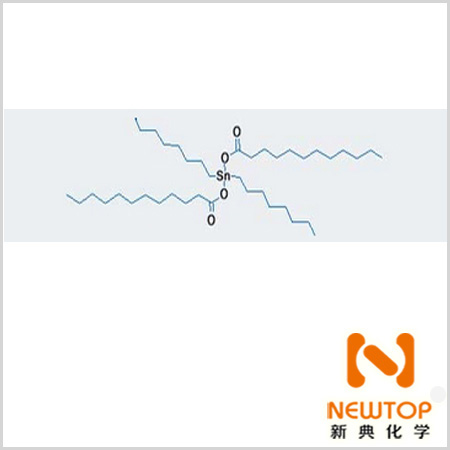
Organotin catalysts are known for their excellent catalytic efficiency and selectivity, and have become an indispensable part of the modern polyurethane industry. This type of catalyst mainly includes dibutyltin dilaurate (DBTDL) and stannous octoate (SnOct). Their significant feature is that it is highly selective for gel reactions and can accelerate the gel process without significantly affecting the foaming reaction. This characteristic makes organic tin catalysts particularly suitable for application scenarios where high mechanical strength is required.
| Variety |
Feature Description |
Scope of application |
| DBTDL |
High selectivity, enhance mechanical properties |
Refrigerator side foam |
| SnOct |
Gentle catalysis, suitable for low temperature environment |
Thermal insulation layer of the air conditioner outside unit |
Metal chelate catalyst
As an emerging catalyst type, metal chelate catalysts have developed rapidly in recent years and have shown unique advantages. This type of catalyst uses metal ions such as titanium, zirconium, and zinc as the core. By forming a stable chelating structure with organic ligands, it achieves excellent catalytic performance. Compared with other types of catalysts, metal chelate catalysts have lower toxicity, better storage stability and stronger hydrolysis resistance. In particular, titanate catalysts can effectively suppress the occurrence of side reactions while maintaining good catalytic efficiency, thereby improving the overall performance of the product.
| Variety |
Feature Description |
Scope of application |
| Titanate |
Low toxicity and high efficiency, reduce side effects |
High-end home appliance thermal insulation layer |
| Zrconium Compound |
Improving foam dimensional stability |
Large-scale refrigeration equipment |
From the actual application effectIt can be seen that different types of polyurethane metal catalysts have their own focus, but they can be used in combination to achieve excellent comprehensive performance. For example, in the refrigerator manufacturing process, a combination scheme of amine catalysts and organic tin catalysts is usually used, which can not only ensure the full foaming of the foam, but also ensure the mechanical strength of the product. Metal chelate catalysts are more used in high-end product lines to achieve finer performance regulation and more environmentally friendly product characteristics.
It is worth noting that the selection of various catalysts also requires consideration of specific production process conditions and target performance requirements. For example, for products that require rapid molding, highly active amine catalysts should be preferred; for application scenarios that pursue long-term stability, metal chelate catalysts are more suitable. This targeted selection strategy can maximize the advantages of various catalysts and provide strong support for the performance optimization of home appliance insulation layers.
The current status and challenges of polyurethane metal catalysts in home appliance insulation layers
With the continuous advancement of energy conservation and emission reduction policies, the application of polyurethane metal catalysts in the field of household appliance insulation has shown a booming trend. According to industry data, the proportion of new catalyst technologies used in the global home appliance industry in 2022 has exceeded 65%, among which refrigerators and refrigerators and other refrigeration equipment are particularly prominent. The application of these catalysts not only significantly improves the energy efficiency level of home appliances, but also effectively reduces energy consumption and carbon emissions during the production process. Taking a well-known home appliance brand as an example, its new generation of refrigerator products reduced the energy consumption of the entire machine by about 15% by introducing high-performance metal catalysts and successfully obtained the International Energy Star certification.
However, although the application of polyurethane metal catalysts in the field of home appliance insulation has achieved remarkable results, they still face many challenges in the actual promotion process. The first problem is the cost control problem. At present, the prices of high-performance metal catalysts are generally high, which puts many small and medium-sized enterprises in the face of greater economic pressure when transforming and upgrading. In addition, the usage conditions of some new catalysts are relatively harsh and require special production equipment and process flow, which also increases the transformation cost and technical threshold of the enterprise.
Another problem that cannot be ignored is the environmentally friendly properties of the catalyst. Although the performance of the new generation of metal catalysts has been significantly improved, the possible environmental impacts during their production and use still need to be paid attention to. For example, some organic tin catalysts may release toxic substances after decomposition, posing a potential threat to the ecological environment. To this end, the industry is actively promoting the research and development of green catalysts, striving to minimize the environmental burden while maintaining excellent performance.
From the perspective of market demand, consumers’ attention to the energy efficiency of home appliances continues to rise, which provides broad development space for the application of polyurethane metal catalysts. However, market education and technology popularization are still issues that need to be solved urgently. Many companies still have a theoretical understanding of new catalysts and lack practical application experience, which to a certain extent restricts the comprehensive promotion of technology.. At the same time, differences in technology levels in different regions have also led to an imbalance in catalyst applications. Especially in some developing countries, due to technical and financial conditions, the penetration rate of high-performance catalysts is still relatively low.
In response to the above issues, industry experts recommend adopting a multi-pronged strategy to deal with it. On the one hand, costs can be reduced through technological innovation and more cost-effective catalyst products can be developed; on the other hand, industry cooperation should be strengthened, unified technical standards and evaluation systems should be established, and the standardized development of catalyst technology should be promoted. In addition, governments and industry associations can also help enterprises overcome difficulties in the early stages of transformation through policy guidance and support measures and accelerate the promotion and application of new technologies.
Analysis of specific application cases of polyurethane metal catalysts in home appliance insulation layer
In order to more intuitively show the practical application effect of polyurethane metal catalysts, we selected three typical home appliance products for in-depth analysis. These cases cover three major home appliance categories: refrigerators, air conditioners and water heaters, fully demonstrating the wide application prospects of new catalysts in the field of home appliance insulation.
Case 1: High-efficiency and energy-saving refrigerator
A well-known home appliance brand has adopted advanced polyurethane metal catalyst technology in its new refrigerator products. By introducing a zirconium-based chelate catalyst, the product successfully achieved precise control of foam pore size, reducing the thermal conductivity of the insulation layer to 0.020 W/(m·K), which is far below the industry average. The specific parameters are as follows:
| parameter name |
Test results |
Industry Average |
| Thermal conductivity |
0.020 W/(m·K) |
0.024 W/(m·K) |
| Foam density |
38 kg/m³ |
42 kg/m³ |
| Closed porosity |
95% |
90% |
This optimized insulation design reduces the overall energy consumption of the refrigerator by 18%, and obtains a high A++ rating in the energy efficiency rating. User feedback shows that the refrigeration effect of the new product is more stable and the operating noise is significantly reduced, which is mainly due to the improvement of vibration absorption performance brought about by the optimization of the foam structure.
Case 2: Intelligent frequency converter air conditioner
In the application of air conditioning products, a leading manufacturer has successfully solved the problem that traditional polyurethane foam is prone to aging in high temperature environments by using titanate catalysts. This improved thermal insulation layer exhibits excellent dimensional stability inAfter continuous operation for 1000 hours, the thickness change rate was only 0.8%, far lower than the 2% specified in the industry standard. The following is a comparison of key performance indicators:
| parameter name |
Result after improvement |
Original Design Results |
| Dimensional stability |
0.8% |
2.5% |
| Compressive Strength |
280 kPa |
240 kPa |
| Service life |
>10 years |
7-8 years |
Thanks to the application of this new catalyst, the thermal insulation effect of the air conditioner external unit has been significantly improved, making the compressor more stable in the high temperature environment in summer, while reducing the increase in energy consumption caused by temperature fluctuations.
Case 3: Instant-heating electric water heater
In the field of water heaters, an innovative enterprise has achieved a breakthrough in the double-sided foaming technology of polyurethane foam by adopting composite catalyst systems (amine + organotin). This new thermal insulation layer not only has excellent thermal insulation performance, but also effectively isolates external moisture intrusion, extending the overall service life of the water heater. The following are the main performance parameters:
| parameter name |
Measured data |
Design objectives |
| Heat insulation efficiency |
Advance by 25% |
Advance by 20% |
| Moisture transmittance |
<0.01 g/m²·day |
<0.02 g/m²·day |
| Heat shock resistance |
±50? cycle 100 times without loss |
±40? cycle 80 times without loss |
Analysis of these three typical cases shows that the application of polyurethane metal catalysts not only significantly improves the energy efficiency performance of home appliances, but also brings all-round improvements in durability and reliability. This technological advancement has brought consumers a better user experience and also created significant market competitiveness for enterprises.
Technical advantages and energy efficiency improvement mechanism of polyurethane metal catalysts
The reason why polyurethane metal catalysts can achieve remarkable results in the field of home appliance insulation is its unique technical advantages and efficient energy efficiency improvement mechanism. First, from the perspective of chemical reaction kinetics, these catalysts significantly increase the reaction rate of the polyurethane foaming process by reducing the activation energy. Specifically, the metal catalyst is able to form a stable intermediate complex with the isocyanate group, thereby accelerating the progress of the critical reaction steps. This acceleration effect is not only reflected in the improvement of the reaction rate, but more importantly, it realizes the optimization of the reaction path, making the entire foaming process more controllable.
Analysis from the perspective of microstructure, the application of polyurethane metal catalysts has brought about two important changes: one is the refined regulation of foam pore size, and the other is the significant increase in the closed cell ratio. Studies have shown that the pore size distribution of polyurethane foams using advanced catalysts is more uniform, and the average pore size can be controlled within the range of 0.2-0.3mm, which is about 30% smaller than the foam prepared by traditional processes. This refined pore size structure greatly reduces the effective area of ??the heat conduction pathway, thereby significantly increasing the thermal resistance value of the heat insulation layer. At the same time, the increase in closed cell rate (up to 95%) further enhances the thermal insulation performance of the foam, because the closed cell structure can effectively prevent air convection and reduce heat transfer.
In terms of macro performance, the application of polyurethane metal catalysts has also brought about a comprehensive improvement in mechanical performance. As the catalyst promotes the full progress of the crosslinking reaction, the resulting foam exhibits higher compressive strength and better dimensional stability. Taking a refrigerator insulation layer using zirconium-based chelate catalyst as an example, its compressive strength reaches 300kPa, which is about 40% higher than that of products without catalysts. This enhanced mechanical properties not only improve product durability, but also provide the possibility to design thinner insulation, thus enabling optimization of space utilization.
From the specific mechanism of energy efficiency improvement, the role of polyurethane metal catalysts can be summarized into three aspects: first, the optimization of the heat conduction path, which effectively reduces the direct heat transfer by refining the pore size and improving the closed cell rate; second, the reduction of thermal radiation loss, which significantly decreases due to the uniformity and denseness of the foam structure; then, the inhibition of the thermal convection effect, and the existence of the closed cell structure greatly weakens the heat exchange brought by air flow. These mechanisms work together and will eventually be transformed into a significant improvement in the overall energy efficiency of home appliances.
It is worth noting that different types of metal catalysts have their own focus on energy efficiency improvement. For example, titanate catalysts mainly improve thermal insulation performance by improving the microstructure of the foam, while organic tin catalysts perform well in enhancing the mechanical strength of the foam. This differentiation advantage makes the synergistic use of multiple catalysts possible and also provides greater flexibility for customized product development.
Future development trends and prospects of polyurethane metal catalysts
As the global sustainable development strategy deepens, polyurethane metal catalystsTechnology is ushering in unprecedented development opportunities. In the next decade, the development trends in this field will mainly focus on the following directions: first, the greening process of the catalyst itself, including the development of new low-toxic and biodegradable catalyst systems, and the exploration of catalyst raw materials sources based on renewable resources. The second is a breakthrough in intelligence, through the introduction of cutting-edge scientific and technological means such as nanotechnology and molecular design, the precise regulation of catalyst performance and multifunctional integration are achieved. For example, the intelligent responsive catalyst under development can automatically adjust the catalytic activity according to changes in environmental conditions, thereby achieving better process control and product performance.
In terms of application expansion, polyurethane metal catalysts are expected to break through the traditional field of home appliance insulation and extend to many high-value-added fields such as building energy conservation, transportation, aerospace, etc. Especially in the fields of thermal insulation protection of new energy vehicle power battery packs, temperature control packaging of cold chain logistics systems, new catalyst technology has shown huge application potential. In addition, with the rapid development of 3D printing technology, polyurethane catalyst systems suitable for additive manufacturing have also become a research hotspot, which will open up new possibilities for personalized customization and the manufacturing of complex structural parts.
From the perspective of technological upgrades, future research will focus on long-term stability and adaptability optimization of catalysts. By building a more complete molecular structure model and reaction kinetic database, scientists will be able to better understand the mechanism of action of catalysts and develop new products with better performance based on this. At the same time, the introduction of digital technology will also bring revolutionary changes to the research and development and application of catalysts, including innovative means such as using artificial intelligence algorithms to predict catalyst performance and optimizing production processes through big data analysis.
Looking forward, polyurethane metal catalysts will surely play a more important role in promoting the global energy conservation and emission reduction. Through continuous technological innovation and industrial collaboration, this field will surely make greater contributions to the sustainable development of human society. As an industry expert said: “The progress of catalysts is not only a technological innovation, but also a change of concepts. It allows us to see infinite possibilities for a better future.”
Extended reading:https://www.newtopchem.com/archives/39514
Extended reading:https://www.cyclohexylamine.net/category/product/page/21/
Extended reading:https://www.morpholine.org/delayed-catalyst-1028/
Extended reading:https://www.newtopchem.com/archives/820
Extended reading:https://www.bdmaee.net/pc-cat-tko-catalyst-nitro/
Extended reading:https://www.bdmaee.net/fascat8201-tertiary-amine-catalyst-arkema-pmc/
Extended reading:https://www.newtopchem.com/archives/1682
Extended reading:https://www.bdmaee.net/cas-3648-18-8/
Extended reading:https://www.cyclohexylamine.net/dabco-tertiary-amine-catalyst-polyurethane-tertiary-amine-catalyst/
Extended reading:https://www.bdmaee.net/syl-off-4000-catalyst-cas12791-27-8-dow/