Retardant amine catalyst 8154: Green production partner of water-based polyurethane
In today’s era of increasing environmental awareness, the chemical industry is also constantly pursuing a greener and more sustainable development path. Retardant amine catalyst 8154 stands out in this field as a highly efficient catalyst designed for aqueous polyurethanes with its unique properties and environmentally friendly properties. It can not only significantly improve the performance of water-based polyurethane products, but also effectively reduce energy consumption and pollution emissions in the production process, becoming an important force in promoting green production.
Aqueous polyurethane is an environmentally friendly material with water as a solvent, and is widely used in coatings, adhesives, textiles and other fields. However, traditional catalysts often have problems such as inefficiency and many side reactions in aqueous systems, which limit their application scope. The delayed amine catalyst 8154 solves these problems through its precise catalytic action mechanism, achieving dual optimization of reaction rate and product performance. This article will conduct in-depth discussion on the characteristics, application scenarios and contributions to green production of delayed amine catalyst 8154, and combine specific parameters and domestic and foreign research literature to comprehensively analyze this important chemical raw material for readers.
What is the delayed amine catalyst 8154?
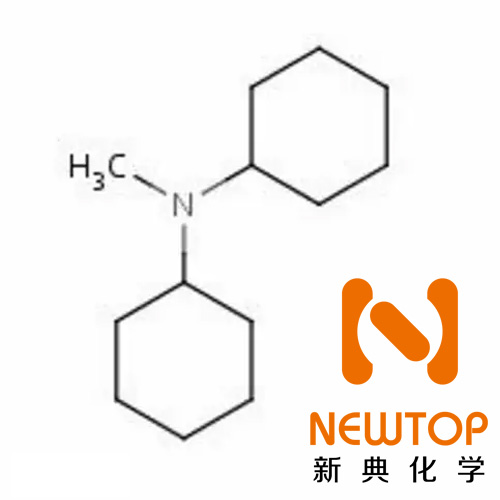
Retardant amine catalyst 8154 is an organic amine catalyst specially designed for use in aqueous polyurethane systems. Its uniqueness is its ability to act delayed under certain conditions, thereby avoiding side reactions or gel phenomena caused by premature catalysis. This catalyst usually appears as a light yellow to amber liquid, has good solubility and stability, and can be evenly dispersed in the aqueous system to ensure consistency of the catalytic effect.
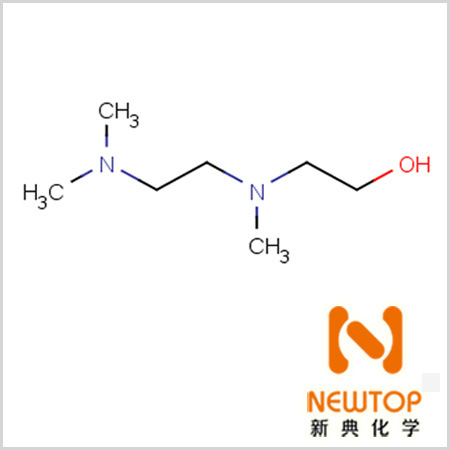
From the chemical structure point of view, the retardant amine catalyst 8154 is composed of a special amine compound and an active additive. This composite structure gives it excellent selective catalytic capability, allowing it to preferentially promote the reaction between isocyanate (NCO) and hydroxyl (OH) while inhibiting the occurrence of other unnecessary side reactions. In addition, its delayed action mechanism can be adjusted according to changes in temperature and pH, providing greater flexibility for applications under different process conditions.
In practical applications, the delayed amine catalyst 8154 shows the following prominent features:
- Efficient catalytic performance: It can significantly accelerate the cross-linking reaction of water-based polyurethane, shorten the curing time, and improve production efficiency.
- Excellent delay effect: By controlling the activation conditions of the catalyst, precise regulation of the reaction rate can be achieved to avoid premature gelation.
- Good compatibility: It has good compatibility with other additives and additives and will not affect the appearance and performance of the final product.
- Environmentally friendly: It contains no heavy metals or other harmful substances, meets strict environmental protection standards, and is suitable for the production of food contact grade and medical grade materials.
These characteristics make the retardant amine catalyst 8154 an indispensable key raw material in the field of water-based polyurethane, especially in the application scenarios that pursue high performance and green environmental protection, which show irreplaceable advantages.
Analysis of the core advantages of delayed amine catalyst 8154
The reason why the delayed amine catalyst 8154 can shine in the field of water-based polyurethane is mainly due to its outstanding core advantages. The following is a detailed analysis from three aspects: reaction selectivity, environmental protection characteristics and operation convenience.
Reaction selectivity: precise catalysis to reduce side reactions
One of the highlights of the delayed amine catalyst 8154 is its extremely high reaction selectivity. In aqueous polyurethane systems, the reaction of isocyanate (NCO) and hydroxyl (OH) is a key step in forming a crosslinking network, but this process may be accompanied by a variety of side reactions, such as the reaction of NCO and water to produce carbon dioxide, or gelation caused by excessive NCO. These side effects not only reduce product performance, but also increase the difficulty of waste disposal.
The retardant amine catalyst 8154 can preferentially promote the reaction between NCO and OH, while effectively inhibiting the occurrence of other side reactions. Studies have shown that the active sites of this catalyst can form a strong interaction with the hydroxyl group, thereby guiding the reaction toward the target product. This precise catalytic mechanism not only improves reaction efficiency, but also reduces the amount of by-products, laying the foundation for obtaining high-quality aqueous polyurethane materials.
Environmental characteristics: non-toxic and harmless, helping green production
As the global attention to environmental protection continues to increase, the green transformation of the chemical industry has become an irreversible trend. As a new catalyst, the delay amine catalyst 8154 fully meets the environmental protection requirements of modern industry. It does not contain any heavy metals or other toxic substances, nor does it release volatile organic compounds (VOCs), so it is very suitable for use in areas such as food packaging and medical devices that require extremely high safety requirements.
In addition, the production and use process of delayed amine catalyst 8154 also reflects obvious environmentally friendly characteristics. Its synthesis process is simple and efficient, with low energy consumption and little waste; in practical applications, due to its efficient catalytic performance, it only requires a small amount of addition to achieve the ideal reaction effect, which further reduces the possibility of resource consumption and environmental pollution. This design concept of “less is more” is a model of sustainable development advocated by the chemical industry at present.
Easy to operate: easy to control, strong adaptability
In addition to excellent catalytic performance and environmental protection characteristics, the delay amine catalyst 8154 has also won the favor of users for its excellent operating convenience. First of all, it has good solubility and stability, can be easily integrated into the aqueous system to ensure consistency of catalytic effects. Secondly, by adjusting process parameters such as temperature and pH, the activation time and reaction rate of the catalyst can be flexibly controlled to meet the needs of different application scenarios.
For example, in certain situations where a long opening time is required, the action of the catalyst can be delayed by lowering the reaction temperature; while under the demand for rapid curing, the reaction process can be accelerated by appropriate heating. This highly controllable characteristic makes the retardant amine catalyst 8154 widely applicable to various process forms such as spraying, coating, and impregnation, greatly broadening its application range.
To sum up, the delayed amine catalyst 8154 has become an indispensable and ideal choice in the field of water-based polyurethanes due to its precise reaction selectivity, excellent environmental protection characteristics and convenient operating performance. Whether from a technical perspective or from an environmental perspective, it has shown great development potential and broad application prospects.
Detailed explanation of the technical parameters of delayed amine catalyst 8154
In order to better understand the specific performance of the delayed amine catalyst 8154, we have compiled its key technical parameters as shown in the following table. These parameters not only reflect the basic physicochemical properties of the catalyst, but also provide an important reference for practical applications.
| parameter name |
Specific value |
Unit |
| Appearance |
Light yellow to amber liquid |
– |
| Density |
0.98-1.02 |
g/cm³ |
| Viscosity (25°C) |
50-70 |
mPa·s |
| Activity content |
?98% |
% |
| pH value (1% aqueous solution) |
7.5-8.5 |
– |
| Moisture content |
?0.5% |
% |
| Color value (Pt-Co) |
?100 |
– |
Appearance and density
The retardant amine catalyst 8154 has a pale yellow to amber liquid, indicating that it has a higher purity and fewer impurities. The secretThe degree range is between 0.98 and 1.02 g/cm³, which is crucial to determine whether it is doped with other components. High density usually means higher active ingredient content, which helps improve catalytic efficiency.
Viscosity and active content
Viscosity is an indicator for measuring liquid fluidity, and the viscosity of the retardant amine catalyst 8154 at 25°C is about 50-70 mPa·s. Moderate viscosity ensures good dispersion in the aqueous system, thereby ensuring uniform distribution of catalytic effects. The active content is as high as 98%, which means that almost all substances can participate in catalytic reactions, greatly improving resource utilization.
PH value and moisture content
PH value is particularly important for aqueous polyurethane systems because it directly affects the stability and reaction speed of the system. The pH value of the retardant amine catalyst 8154 is maintained between 7.5 and 8.5, which is within the weak alkaline range. Such an environment is conducive to promoting the reaction between NCO and OH while preventing excessive corrosion of the equipment. The moisture content is controlled within 0.5%, effectively reducing adverse side reactions caused by hydrolysis.
Color value
The color value is expressed by the platinum-cobalt standard, and the maximum value does not exceed 100, which ensures that the final product has good transparency and color stability, which is particularly important for some application scenarios that have strict appearance requirements.
The above technical parameters jointly define the high quality standards of the retardant amine catalyst 8154, making it outstanding in various aqueous polyurethane applications.
Example of application of delayed amine catalyst 8154 in aqueous polyurethane
The delayed amine catalyst 8154 has shown strong application potential in many fields due to its excellent performance. Here are several specific case analysis showing how the catalyst can play its unique advantages in different application scenarios.
Water-based coating
In the water-based coating industry, the retardant amine catalyst 8154 is widely used to improve the adhesion and durability of the coating. For example, a well-known paint manufacturer introduced this catalyst into its new product line, successfully reducing the drying time from the original 6 hours to 3 hours while increasing the hardness and flatness of the coating. This improvement not only greatly improves production line efficiency, but also significantly improves the market competitiveness of the products.
Textile Treatment
During the post-organization process of textiles, the use of water-based polyurethane can give the fabric a soft feel and good waterproof performance. The use of retardant amine catalyst 8154 is particularly prominent in this field. An internationally renowned textile company reported that after using the catalyst, their products not only maintain their original comfort, but also enhance their wrinkle resistance and wear resistance. In addition, due to the environmentally friendly characteristics of the catalyst, the entire production process is more in line with the concept of sustainable development in modern society.
Medical Equipment
In the medical field, delayed amine catalysts8154 helps develop safer and more effective medical dressings and catheters. These materials need to be highly biocompatible and antibacterial. By precisely controlling the amount of catalyst, the researchers found that the crosslinking density of polyurethane can be effectively adjusted, thereby optimizing the mechanical properties and biodegradation rate of the material. This not only extends the service life of the product, but also reduces the patient’s discomfort and infection risk.
Home Decoration
Home decoration materials such as floors, wallpapers, etc. have extremely high requirements for environmental protection and health. The delayed amine catalyst 8154 has been widely used in this type of application due to its non-toxic and harmless characteristics. A large home furnishing brand has adopted an aqueous polyurethane formula containing this catalyst in its new series. The results show that the formaldehyde emission of the new product is much lower than the national standard, winning wide praise from consumers.
The above examples fully demonstrate the versatility and efficiency of the delayed amine catalyst 8154 in different fields. Its application is not limited to the above aspects. With the advancement of technology and changes in market demand, there are more possibilities waiting to be explored in the future.
The current situation and development trends of domestic and foreign research
In recent years, with the increasing strict environmental regulations and technological progress, the research and application of delayed amine catalyst 8154 has shown a booming trend around the world. The following will discuss in-depth from three aspects: current domestic and foreign research status, technological innovation and future trends.
Status of domestic and foreign research
in the country, research on delayed amine catalyst 8154 is mainly concentrated in universities and scientific research institutions. For example, a study from the Department of Chemical Engineering of Tsinghua University showed that by improving the molecular structure of the catalyst, its activity under low temperature conditions can be further improved, which is of great significance for winter application in the north. At the same time, the Institute of Chemistry, Chinese Academy of Sciences is committed to developing a new generation of catalysts, aiming to reduce production costs while maintaining and even improving catalytic efficiency.
Research abroad is also active, especially in Europe and North America. Bayer, Germany (now Covestro) has long been paying attention to the development of water-based polyurethane technology and has made many breakthroughs in the field of delayed amine catalysts. The new generation of products they developed not only improves reaction selectivity, but also enhances the stability of the catalyst under extreme conditions. DuPont, the United States, focuses on the application research of catalysts and explores its possibilities in new functional materials.
Technical Innovation
Technical innovation is the core driving force for the development of delayed amine catalyst 8154. At present, there are the following innovative achievements worth paying attention to:
-
Application of Nanotechnology: By loading the catalyst on the surface of nanoparticles, its specific surface area can be significantly increased, thereby improving catalytic efficiency. This method has achieved initial success in the laboratory stage and is expected to enter industrialized trials soon.
-
Intelligent responsive catalysts: This type of catalyst can automatically adjust its activity according to the external environment (such as temperature and pH) to provide more precise reaction control. Although it is still in its early stages of development, its potential value has attracted widespread attention.
-
Renewable raw materials preparation: In order to further improve environmental performance, some research teams are trying to use bio-based raw materials to synthesize catalysts, which not only helps reduce fossil fuel dependence, but may also bring new physicochemical properties.
Future Trends
Looking forward, the development of delayed amine catalyst 8154 will move forward in a more intelligent, personalized and green direction. With the introduction of artificial intelligence and big data technology, the design and optimization of catalysts will become more scientific and reasonable; customized services will become the mainstream, providing excellent solutions according to the specific needs of different customers; and the in-depth implementation of the concept of green environmental protection will continue to push related technologies toward the goal of lower energy consumption and higher recycling rates.
In short, the research on delayed amine catalyst 8154 is in a period of rapid development, and there are many expected progress in both basic theory and practical application. I believe that with the continuous advancement of technology, this excellent catalyst will play a greater role in more fields.
Conclusion and Outlook
To sum up, retardant amine catalyst 8154 has become an indispensable and important component in the field of water-based polyurethanes due to its excellent catalytic properties, environmental protection characteristics and operational convenience. It not only significantly improves the performance of water-based polyurethane products, but also provides strong support for the green transformation of the chemical industry. Through the analysis of specific application cases, it can be seen that whether it is water-based coatings, textile treatment, or medical equipment and home decoration, the delayed amine catalyst 8154 can effectively solve the problems existing in traditional catalysts and show strong adaptability and market potential.
Looking forward, with the continuous advancement of science and technology and the continuous improvement of environmental protection requirements, the research and development and application of delayed amine catalyst 8154 will surely usher in a broader world. We can foresee that through continuous technological innovation and process optimization, this catalyst will further improve its stability and efficiency in complex environments, while reducing costs and promoting the greening process in more fields. Let us look forward to the fact that in the near future, the delayed amine catalyst 8154 will continue to lead the water-based polyurethane technology to a new peak and contribute to the construction of a sustainable society.
Extended reading:https://www.bdmaee.net/cas-818-08-6-3/
Extended reading:https://www.newtopchem.com/archives/1867
Extended reading:https://www.bdmaee.net/wp-content/uploads/2022/08/Dioctyltin-dichloride-CAS-3542-36-7-Dioctyl-tin-dichloride.pdf
Extended reading:https://www.newtopchem.com/archives/44779
Extended reading:https://www.bdmaee.net/potassium-acetate-cas-127-08-2-potassium/
Extended reading:https://www.cyclohexylamine.net/category/product/page/34/
Extended reading:https://www.newtopchem.com/archives/468
Extended reading:<a href="https://www.newtopchem.com/archives/468
Extended reading:https://www.bdmaee.net/wp-content/uploads/2022/08/-R-8020-Jeffcat-TD-20-TEDA-A20.pdf
Extended reading:https://www.newtopchem.com/archives/40405
Extended reading:https://www.bdmaee.net/tributyltin-chloride-cas1461-22-9-tri-n-butyltin-chloride/