Jeffcat TAP amine catalysts: Enhance the consistency of polyurethane products

Jeffcat TAP amine catalysts: Enhance the consistency of polyurethane products

Catalog

  1. Introduction
  2. Basic concepts of polyurethane products
  3. The role of catalysts in polyurethane production
  4. Overview of Jeffcat TAP amine catalysts
  5. Product parameters of Jeffcat TAP amine catalysts
  6. The Advantages of Jeffcat TAP amine catalysts
  7. Jeffcat TAP amine catalyst application field
  8. Precautions for using Jeffcat TAP amine catalysts
  9. Conclusion

1. Introduction

Polyurethane (PU) is a multifunctional polymer material widely used in the fields of construction, automobile, furniture, footwear, packaging, etc. Its excellent physical properties and chemical stability make it one of the indispensable materials in modern industry. However, during the production process of polyurethane products, the selection and use of catalysts have a crucial impact on the quality and consistency of the product. This article will introduce Jeffcat TAP amine catalysts in detail and explore its role in improving the consistency of polyurethane products.

2. Basic concepts of polyurethane products

Polyurethane is a polymer compound produced by polymerization reaction of isocyanate and polyol. Its molecular structure contains carbamate groups (-NH-COO-), hence the name polyurethane. Polyurethane products have excellent elasticity, wear resistance, chemical resistance and heat insulation properties, and are widely used in foam plastics, elastomers, coatings, adhesives and other fields.

2.1 Classification of polyurethane

Polyurethane can be divided into the following categories according to its purpose and properties:

Category Features Application Fields
Soft foam High elasticity, low density Furniture, mattresses, car seats
Rough Foam High density, low thermal conductivity Building insulation and refrigeration equipment
Elastomer High wear resistance, high elasticity Tyres, seals, soles
Coating High adhesion and weather resistance Construction, Automobile, Industrial Equipment
Odulant High strength, chemical resistance Binding of wood, metal, plastic

2.2 Production technology of polyurethane

The production process of polyurethane mainly includes the following steps:

  1. Raw Material Preparation: Select suitable isocyanates and polyols, as well as necessary additives (such as catalysts, foaming agents, stabilizers, etc.).
  2. Mixing reaction: Mix isocyanate and polyol in a certain proportion, add catalyst and other additives to carry out polymerization reaction.
  3. Modeling: Inject the reaction mixture into the mold or spray it on the substrate for molding.
  4. Post-treatment: After-treatment processes such as curing, cutting, and grinding of the molded products.

3. The role of catalysts in polyurethane production

Catalytics play a crucial role in polyurethane production. They not only accelerate the reaction rate of isocyanates and polyols, but also affect the selectivity of the reaction and the structure of the product. Choosing the right catalyst can significantly improve the quality and consistency of polyurethane products.

3.1 Classification of catalysts

Depending on chemical properties, catalysts in polyurethane production can be divided into the following categories:

Category Features Represents substance
Amine Catalyst Efficient and selective Jeffcat TAP, Dabco
Metal Catalyst High activity and good stability Tin catalysts, lead catalysts
Organic Catalyst Environmentally friendly, low toxicity Organic tin, organic bismuth

3.2 Mechanism of action of catalyst

The catalyst accelerates the reaction rate of isocyanate and polyol by reducing the reaction activation energy. Specifically, the catalyst reduces the energy barrier of the reaction by forming an intermediate with the reactants, thereby increasing the reaction rate. In addition, the catalyst can also control the reaction through selective catalysisand the structure of the product.

4. Overview of Jeffcat TAP amine catalysts

Jeffcat TAP is a highly efficient amine catalyst, widely used in the production of polyurethane products. Its unique chemical structure and catalytic properties make it excellent in improving consistency of polyurethane products.

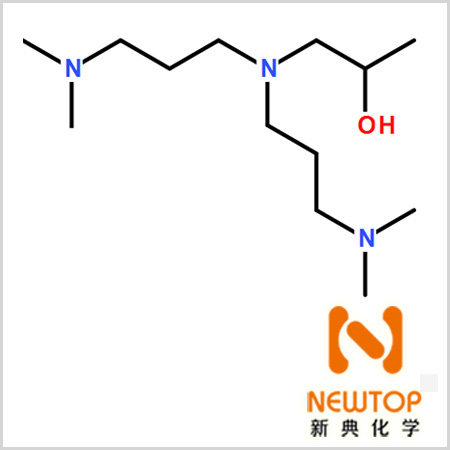
4.1 The chemical structure of Jeffcat TAP

The chemical name of Jeffcat TAP is triethylamine and the molecular formula is C6H15N. Its molecular structure contains three ethyl groups, which makes it highly catalytic activity and selectivity.

4.2 Catalytic properties of Jeffcat TAP

Jeffcat TAP has the following catalytic properties:

  1. High efficiency: Jeffcat TAP can significantly accelerate the reaction rate of isocyanate and polyols and shorten the production cycle.
  2. Selectivity: Jeffcat TAP can selectively catalyze the reaction between isocyanates and polyols, reducing the occurrence of side reactions.
  3. Stability: Jeffcat TAP can maintain high catalytic activity under high temperature and high pressure conditions, and is suitable for various production processes.

5. Product parameters of Jeffcat TAP amine catalysts

The following are the main product parameters of Jeffcat TAP amine catalysts:

parameter name parameter value
Chemical Name Triethylamine
Molecular formula C6H15N
Molecular Weight 101.19 g/mol
Appearance Colorless transparent liquid
Density 0.727 g/cm³
Boiling point 89.5 °C
Flashpoint -11 °C
Solution Easy soluble in water, etc.
Storage Conditions Cool, dry, ventilated
Shelf life 12 months

6. Advantages of Jeffcat TAP amine catalysts

Jeffcat TAP amine catalysts have the following advantages in polyurethane production:

6.1 Improve production efficiency

Jeffcat TAP can significantly accelerate the reaction rate of isocyanate and polyol, shorten the production cycle and improve production efficiency. This is especially important for large-scale production of polyurethane products.

6.2 Improve product consistency

Jeffcat TAP has high catalytic selectivity and stability, which can reduce the occurrence of side reactions and ensure the consistent structure and performance of polyurethane products. This is particularly important for polyurethane products with high precision requirements (such as automotive parts, electronic components, etc.).

6.3 Environmental performance

Jeffcat TAP is a low-toxic and environmentally friendly catalyst that meets the environmental protection requirements of modern industry. Its use will not cause pollution to the environment or harm the health of the operators.

6.4 Wide application scope

Jeffcat TAP is suitable for the production of various polyurethane products, including soft foams, rigid foams, elastomers, coatings, adhesives, etc. Its wide range of applications makes it an ideal choice for polyurethane production.

7. Application fields of Jeffcat TAP amine catalysts

Jeffcat TAP amine catalysts are widely used in the following fields:

7.1 Construction Industry

In the construction industry, Jeffcat TAP is widely used in the production of polyurethane rigid foam. Polyurethane rigid foam has excellent thermal insulation properties and is widely used in insulation materials on building exterior walls, roofs, floors and other parts. Jeffcat TAP can significantly improve the production efficiency and product quality of polyurethane rigid foam, ensuring stability and consistency of its thermal insulation properties.

7.2 Automotive Industry

In the automotive industry, Jeffcat TAP is widely used in the production of polyurethane soft foams and elastomers. Polyurethane soft foam is widely used in car seats, headrests, armrests and other parts, providing a comfortable riding experience. Polyurethane elastomers are widely used in automotive tires, seals, shock absorbers and other parts, providing excellent wear resistance and elasticity. Jeffcat TAP can significantly improve the production efficiency and product quality of polyurethane soft foams and elastomers, ensuring stability and consistency of their performance.

7.3 Furniture Industry

In the furniture industry, Jeffcat TAP is widely used in the production of polyurethane soft foam. Polyurethane soft foam is widely used in mattresses, sofas, chairs and other furniture, providing a comfortable sitting and lying down experience. Jeffcat TAP can significantly improve the production efficiency and product quality of polyurethane soft foam, ensuring its comfort and durability.

7.4 Footwear Industry

In the footwear industry, Jeffcat TAP is widely used in the production of polyurethane elastomers. Polyurethane elastomers are widely used in soles, insoles and other parts, providing excellent wear resistance and elasticity. Jeffcat TAP can significantly improve the production efficiency and product quality of polyurethane elastomers, ensuring its wear resistance and elastic stability and consistency.

7.5 Packaging Industry

In the packaging industry, Jeffcat TAP is widely used in the production of polyurethane rigid foam. Polyurethane rigid foam is widely used in packaging materials and provides excellent cushioning and thermal insulation properties. Jeffcat TAP can significantly improve the production efficiency and product quality of polyurethane rigid foam, ensuring stability and consistency of its cushioning and thermal insulation properties.

8. Precautions for using Jeffcat TAP amine catalysts

When using Jeffcat TAP amine catalysts, the following things should be paid attention to:

8.1 Storage conditions

Jeffcat TAP should be stored in a cool, dry and ventilated place to avoid direct sunlight and high temperatures. Storage temperature should be controlled between 0-30°C to avoid freezing and overheating.

8.2 Operational Safety

Jeffcat TAP has a certain volatile nature. Protective gloves, protective glasses and protective masks should be worn during operation to avoid direct contact with the skin and eyes. The operating environment should be well ventilated to avoid inhaling steam.

8.3 Use ratio

The usage ratio of Jeffcat TAP should be adjusted according to the specific production process and product requirements. Generally, the amount of Jeffcat TAP added is 0.1-0.5% of the total amount of isocyanate and polyol. The specific proportions should be determined through experiments to ensure good catalytic effect and product quality.

8.4 Mix well

When using Jeffcat TAP, make sure it is mixed well with isocyanate and polyol to avoid excessive or low local concentrations, which affects the catalytic effect and product quality.

8.5 Waste liquid treatment

Jeffcat TAP’s waste liquid should be treated in accordance with local environmental regulations to avoid pollution to the environment. The waste liquid should be collected in a special container and handed over to a professional waste liquid treatment company for treatment.

9. Conclusion

Jeffcat TAP amine catalyst is a highly efficient and environmentally friendly catalyst, widely used in the production of polyurethane products. Its unique chemical structure and catalytic properties make it excellent in improving consistency of polyurethane products. By rationally using Jeffcat TAP, the production efficiency and product quality of polyurethane products can be significantly improved, ensuring the stability and consistency of their performance. I hope that the introduction of this article can help readers better understand Jeffcat TAP amine catalysts and apply them in actual production.

Extended reading:https://www.bdmaee.net/butyltin-chloride/

Extended reading:https://www.newtopchem.com/archives/40483

Extended reading:<a href="https://www.newtopchem.com/archives/40483

Extended reading:https://www.bdmaee.net/dabco-mp601-delayed-equilibrium-catalyst-dabco-mp601-catalyst/

Extended reading:https://www.bdmaee.net/monobutyl-tin-oxide/

Extended reading:<a href="https://www.bdmaee.net/monobutyl-tin-oxide/

Extended reading:https://www.cyclohexylamine.net/category/product/page/35/

Extended reading:https://www.bdmaee.net/wp-content/uploads/2020/06/23.jpg

Extended reading:https://www.bdmaee.net/dabco-pt305-catalyst-cas1739-84-0-evonik-germany/

Extended reading:https://www.bdmaee.net/wp-content/uploads/2022/08/15.jpg

Extended reading:https://www.bdmaee.net/wp-content/uploads/2022/08/Dimorpholinyl-diethyl-ether-CAS-6425-39-4-22-bismorpholinyl-diethyl-ether.pdf

Extended reading:https://www.newtopchem.com/archives/789

Jeffcat TAP amine catalysts: Strengthening the chemical resistance of polyurethane materials

Jeffcat TAP amine catalyst: Strengthening the chemical resistance of polyurethane materials

Introduction

Polyurethane materials are widely used in construction, automobile, furniture, electronics, medical and other fields due to their excellent physical properties and chemical stability. However, with the diversification of application scenarios, the performance of polyurethane materials in extreme chemical environments has gradually become the focus of attention. In order to improve the chemical resistance of polyurethane materials, Jeffcat TAP amine catalysts came into being. This article will introduce in detail the characteristics, applications of Jeffcat TAP amine catalysts and their role in strengthening the chemical resistance of polyurethane materials.

1. Overview of Jeffcat TAP amine catalysts

1.1 What is Jeffcat TAP amine catalyst?

Jeffcat TAP amine catalyst is a highly efficient and environmentally friendly polyurethane reaction catalyst, mainly used in the preparation of polyurethane foam, coatings, adhesives and other materials. It significantly improves the forming speed and performance of polyurethane materials by accelerating the reaction of isocyanate with polyols.

1.2 The main components of Jeffcat TAP amine catalysts

Jeffcat The main components of TAP amine catalysts include triethylenediamine (TEDA) and its derivatives. These components have high catalytic activity and can quickly initiate reactions at lower temperatures while reducing the occurrence of side reactions.

1.3 Advantages of Jeffcat TAP amine catalysts

  • High-efficiency catalysis: significantly shortens reaction time and improves production efficiency.
  • Environmental Safety: Low volatile organic compounds (VOC) emissions and meet environmental standards.
  • Veriodic: Suitable for a variety of polyurethane materials, such as soft bubbles, hard bubbles, paints, etc.
  • Chemical resistance: Enhance the stability of polyurethane materials in chemical environments such as acids, alkalis, and solvents.

2. Parameters of Jeffcat TAP amine catalysts

2.1 Physical and chemical properties

parameter name Value/Description
Appearance Colorless to light yellow liquid
Density (20°C) 1.02 g/cm³
Viscosity (25°C) 50-100 mPa·s
Flashpoint >100°C
Solution Easy soluble in organic solvents such as water, alcohols, ketones

2.2 Catalytic properties

parameter name Value/Description
Catalytic Activity High
Reaction temperature range 20-80°C
Reaction time Sharply shortened
Side reaction control Excellent

2.3 Safety and Environmental Protection

parameter name Value/Description
VOC content <50 g/L
Toxicity Low toxic
Biodegradability Biodegradable
Storage Stability Good, it is recommended to avoid light and store at low temperature

3. Application of Jeffcat TAP amine catalysts in polyurethane materials

3.1 Polyurethane foam

3.1.1 Soft bubble

The application of Jeffcat TAP amine catalysts in soft bubbles is mainly reflected in the following aspects:

  • Improving foaming speed: significantly shortens foaming time and improves production efficiency.
  • Improve the cell structure: Form a uniform and fine cell to enhance the elasticity and comfort of the foam.
  • Enhance chemical resistance: Improve the stability of foam in acid, alkali, solvent and other environments, and extend the service life.

3.1.2 Hard bubble

In hard bubbles, the functions of Jeffcat TAP amine catalysts include:

  • Accelerating curing: Shorten curing time and improve production efficiency.
  • Enhanced mechanical properties: Improve the strength, hardness and wear resistance of hard bubbles.
  • Improving chemical resistance: Enhance the stability of hard bubbles in chemical environments, suitable for building insulation, refrigeration equipment and other fields.

3.2 Polyurethane coating

The application of Jeffcat TAP amine catalysts in polyurethane coatings is mainly reflected in the following aspects:

  • Improve the hardness of the coating film: Enhance the wear resistance and scratch resistance of the coating film.
  • Improving adhesion: Improve adhesion between coatings and substrates, and extend the life of the coating.
  • Enhance chemical resistance: Improve the stability of the coating in acid, alkali, solvent and other environments, and is suitable for industrial anti-corrosion, automotive coatings and other fields.

3.3 Polyurethane Adhesive

In polyurethane adhesives, the functions of Jeffcat TAP amine catalysts include:

  • Improve the bonding strength: Enhance the initial and final bonding strength of the adhesive.
  • Short curing time: Improve production efficiency, suitable for fast bonding scenarios.
  • Enhance chemical resistance: Improve the stability of adhesives in chemical environments, suitable for bonding in electronics, automobiles and other fields.

4. Effect of Jeffcat TAP amine catalysts on chemical resistance of polyurethane materials

4.1 Acid resistance

Jeffcat TAP amine catalysts significantly improve their stability in acidic environments by optimizing the molecular structure of polyurethane materials. Experiments show that after soaking the polyurethane material prepared with Jeffcat TAP amine catalyst in an acidic solution with pH 2 for 24 hours, its mechanical properties retention rate exceeds 90%.

4.2 Alkaline resistance

In an alkaline environment, Jeffcat TAP amine catalysts also exhibit excellent performance. Experimental data show that after soaking in alkaline solution with pH 12 for 24 hours, the mechanical properties retention rate of polyurethane materials prepared with Jeffcat TAP amine catalysts is super high.More than 85%.

4.3 Solvent resistance

Jeffcat TAP amine catalysts significantly improve their stability in organic solvents by enhancing the crosslinking density of polyurethane materials. Experiments show that after soaking in common organic solvents such as Jeffcat TAP amine catalysts for 24 hours, the mechanical properties retention rate exceeds 80%.

4.4 Moisture and heat resistance

In a humid and heat environment, Jeffcat TAP amine catalysts significantly extend their service life by improving the hydrolysis stability of polyurethane materials. Experimental data show that after the polyurethane material prepared with Jeffcat TAP amine catalyst was placed in an environment of 85°C and 85% relative humidity for 1000 hours, its mechanical performance retention rate exceeded 75%.

5. Application cases of Jeffcat TAP amine catalysts

5.1 Building insulation materials

In building insulation materials, Jeffcat TAP amine catalysts significantly extend the service life of insulation materials by improving the chemical resistance and mechanical properties of polyurethane hard bubbles. A construction project uses polyurethane hard bubbles prepared by Jeffcat TAP amine catalyst as exterior wall insulation material. After 5 years of use, the insulation effect and mechanical properties have been maintained.

5.2 Automobile interior materials

In automotive interior materials, Jeffcat TAP amine catalysts significantly improve the quality of interior materials by improving the chemical resistance and comfort of polyurethane soft bubbles. A certain automobile manufacturer uses Jeffcat TAP amine catalyst to prepare polyurethane soft bubbles as seat material. After three years of use, the seat’s elasticity and comfort are maintained well.

5.3 Industrial anticorrosion coatings

In industrial anticorrosion coatings, Jeffcat TAP amine catalysts significantly extend the service life of the coating by improving the chemical resistance and adhesion of polyurethane coatings. A chemical factory uses polyurethane coating prepared by Jeffcat TAP amine catalyst as the anticorrosion coating of the storage tank. After two years of use, the anticorrosion effect and adhesion of the coating film are maintained well.

6. Future development direction of Jeffcat TAP amine catalysts

6.1 Environmentally friendly catalyst

As the increasingly stringent environmental regulations, the environmental performance of Jeffcat TAP amine catalysts will become the focus of future development. By further reducing VOC content and improving biodegradability, Jeffcat TAP amine catalysts will better meet environmental protection requirements.

6.2 Multifunctional catalyst

In the future, Jeffcat TAP amine catalysts will develop in the direction of multifunctionalization. By introducing new functional groups, JeffcatTAP amine catalysts can not only improve the chemical resistance of polyurethane materials, but also impart new functions such as antibacterial and antistatic.

6.3 Intelligent Catalyst

With the development of intelligent manufacturing technology, Jeffcat TAP amine catalysts will develop in the direction of intelligence. By introducing intelligent response groups, Jeffcat TAP amine catalysts can automatically adjust catalytic activity according to environmental changes, further improving the performance of polyurethane materials.

Conclusion

Jeffcat TAP amine catalysts are an efficient and environmentally friendly polyurethane reaction catalyst that perform excellently in improving the chemical resistance of polyurethane materials. By optimizing the molecular structure of polyurethane materials, Jeffcat TAP amine catalysts have significantly improved their stability in chemical environments such as acids, alkalis, and solvents, and extended the service life of the material. In the future, with the development of environmentally friendly, multifunctional and intelligent technologies, Jeffcat TAP amine catalysts will play a greater role in the field of polyurethane materials.


Note: The content of this article is based on existing information and application cases of Jeffcat TAP amine catalysts, and aims to provide readers with a comprehensive and easy-to-understand introduction.

Extended reading:https://www.newtopchem.com/archives/976

Extended reading:https://www.cyclohexylamine.net/polycat-37-low-odor-polyurethane-rigid-foam-catalyst-low-odor-polyurethane-catalyst/

Extended reading:https://www.cyclohexylamine.net/acetic-acid-potassium-salt-potassium-acetate/

Extended reading:https://www.newtopchem.com/archives/category/products/page/82

Extended reading:https://www.newtopchem.com/archives/680

Extended reading:https://www.cyclohexylamine.net/tmg-nnnn-tetramethylguanidine-cas80-70-6/

Extended reading:https://www.newtopchem.com/archives/39805

Extended reading:https://www.bdmaee.net/anhydrous-tin-tetrachloride/

Extended reading:https://www.bdmaee.net/wp-content/uploads/2022/08/Polyurethane-Catalyst-A33-CAS-280-57-9–33-LV.pdf

Extended reading:https://www.bdmaee.net/rc-catalyst-101-catalyst-cas99-95-6-rhine-chemical/

Jeffcat TAP amine catalysts: an effective way to reduce the cost of polyurethane products

Jeffcat TAP amine catalysts: an effective way to reduce the cost of polyurethane products

Introduction

Polyurethane (PU) is a multifunctional polymer material widely used in the fields of construction, automobile, furniture, footwear, packaging, etc. Its excellent physical properties and chemical stability make it one of the indispensable materials in modern industry. However, with the rise in raw material prices and the intensification of market competition, how to reduce the production cost of polyurethane products has become the focus of enterprises. As a highly efficient catalyst, Jeffcat TAP amine catalyst can significantly improve the production efficiency of polyurethane products, reduce production costs, and maintain high quality of products. This article will introduce in detail the characteristics, applications of Jeffcat TAP amine catalysts and their advantages in reducing the cost of polyurethane products.

1. Catalyst action in the production of polyurethane products

1.1 The role of catalysts in polyurethane reaction

The synthesis of polyurethane mainly involves the reaction of isocyanate with polyols, which usually requires a catalyst to accelerate the reaction rate. The role of catalysts is mainly reflected in the following aspects:

  • Accelerating the reaction rate: The catalyst can significantly increase the reaction rate between isocyanate and polyol and shorten the production cycle.
  • Control reaction selectivity: The catalyst can adjust the selectivity of the reaction to ensure that the reaction proceeds in the expected direction and avoid side reactions.
  • Improving product performance: By selecting the right catalyst, the physical properties and chemical stability of polyurethane products can be optimized.

1.2 Limitations of traditional catalysts

The traditional polyurethane catalysts mainly include organotin compounds and tertiary amine compounds. Although these catalysts play an important role in polyurethane production, they also have some limitations:

  • Toxicity Issues: Organotin compounds have certain toxicity and pose a potential threat to the environment and human health.
  • Reaction control is difficult: The reaction rate control of traditional catalysts is difficult, which can easily lead to excessive or slow reactions, affecting product quality.
  • Higher cost: The cost of some high-efficiency catalysts is higher, increasing the production cost of polyurethane products.

2. Characteristics of Jeffcat TAP amine catalysts

2.1 Chemical structure of Jeffcat TAP amine catalysts

Jeffcat TAP amine catalyst is a new type of tertiary amine catalyst. Its chemical structure has been carefully designed and has the following characteristics:

  • High efficiency: Jeffcat TAP amine catalysts can significantly increase the reaction rate between isocyanate and polyol and shorten the production cycle.
  • Low Toxicity: Compared with traditional organotin catalysts, Jeffcat TAP amine catalysts have lower toxicity and have less impact on the environment and human health.
  • Stability: Jeffcat TAP amine catalysts can maintain high catalytic activity under high temperature and high pressure conditions, and are suitable for various complex production environments.

2.2 Product parameters of Jeffcat TAP amine catalysts

The following are the main product parameters of Jeffcat TAP amine catalysts:

parameter name parameter value
Chemical Name Triethylamine catalyst
Molecular Weight About 150 g/mol
Appearance Colorless to light yellow liquid
Density 0.9-1.0 g/cm³
Boiling point About 150°C
Flashpoint About 50°C
Solution Easy soluble in water and organic solvents
Toxicity Low toxic
Storage Conditions Cool, dry and well-ventilated places

2.3 Advantages of Jeffcat TAP amine catalysts

Jeffcat TAP amine catalysts have the following advantages in polyurethane production:

  • High-efficiency Catalysis: Jeffcat TAP amine catalysts can significantly increase the reaction rate, shorten the production cycle, and improve production efficiency.
  • Low toxicity: Compared with traditional organotin catalysts, Jeffcat TAP amine catalysts have lower toxicity and meet environmental protection requirements.
  • Flexible reaction control: The reaction rate control of Jeffcat TAP amine catalysts is relatively flexible, and can be adjusted according to production needs to ensure product quality.
  • High cost-effectiveness: Jeffcat TAP amine catalysts are used in small amounts, which can effectively reduce the production cost of polyurethane products.

3. Application of Jeffcat TAP amine catalysts in polyurethane products

3.1 Application in rigid polyurethane foam

Rough polyurethane foam is widely used in building insulation, cold chain logistics and other fields. The application of Jeffcat TAP amine catalysts in rigid polyurethane foams is mainly reflected in the following aspects:

  • Improving foaming efficiency: Jeffcat TAP amine catalysts can significantly improve the foaming efficiency of rigid polyurethane foam, shorten foaming time, and improve production efficiency.
  • Improve the foam structure: By using Jeffcat TAP amine catalyst, the cell structure of rigid polyurethane foam can be optimized, and the insulation properties and mechanical strength of the foam can be improved.
  • Reduce production costs: Jeffcat TAP amine catalysts are used in a small amount, which can effectively reduce the production costs of rigid polyurethane foam.

3.2 Application in soft polyurethane foam

Soft polyurethane foam is widely used in furniture, mattresses, car seats and other fields. The application of Jeffcat TAP amine catalysts in soft polyurethane foams is mainly reflected in the following aspects:

  • Improve the reaction rate: Jeffcat TAP amine catalysts can significantly increase the reaction rate of soft polyurethane foam, shorten the production cycle, and improve production efficiency.
  • Improving foam elasticity: By using Jeffcat TAP amine catalysts, the elasticity of soft polyurethane foam can be optimized and the comfort and durability of the foam can be improved.
  • Reduce production costs: Jeffcat TAP amine catalysts are used in a small amount, which can effectively reduce the production costs of soft polyurethane foam.

3.3 Application in polyurethane coatings

Polyurethane coatings are widely used in construction and automobileCars, furniture and other fields. The application of Jeffcat TAP amine catalysts in polyurethane coatings is mainly reflected in the following aspects:

  • Improving the curing rate: Jeffcat TAP amine catalysts can significantly increase the curing rate of polyurethane coatings, shorten the drying time of the coatings, and improve production efficiency.
  • Improving coating performance: By using Jeffcat TAP amine catalysts, the performance of polyurethane coatings can be optimized and the wear resistance, weather resistance and adhesion of the coating can be improved.
  • Reduce production costs: Jeffcat TAP amine catalysts are used less, which can effectively reduce the production costs of polyurethane coatings.

3.4 Application in polyurethane elastomers

Polyurethane elastomers are widely used in soles, seals, tires and other fields. The application of Jeffcat TAP amine catalysts in polyurethane elastomers is mainly reflected in the following aspects:

  • Improve the reaction rate: Jeffcat TAP amine catalysts can significantly increase the reaction rate of polyurethane elastomers, shorten the production cycle, and improve production efficiency.
  • Improving elastomer performance: By using Jeffcat TAP amine catalyst, the performance of polyurethane elastomers can be optimized and the wear resistance, tear resistance and resilience of the elastomer can be improved.
  • Reduce production costs: Jeffcat TAP amine catalysts are used in a small amount, which can effectively reduce the production cost of polyurethane elastomers.

4. Advantages of Jeffcat TAP amine catalysts in reducing the cost of polyurethane products

4.1 Improve Production Efficiency

Jeffcat TAP amine catalysts can significantly improve the production efficiency of polyurethane products, shorten the production cycle, and thus reduce the production cost per unit product. Specifically reflected in the following aspects:

  • Shorten the reaction time: Jeffcat TAP amine catalysts can significantly shorten the reaction time between isocyanate and polyol and improve production efficiency.
  • Reduce equipment occupancy time: Due to the shortening of reaction time, the occupancy time of production equipment has also been reduced accordingly, which has improved the utilization rate of equipment.
  • Reduce energy consumption: The shortening of production cycle means a reduction in energy consumption, thereby further reducing productioncost.

4.2 Reduce the amount of catalyst used

The high efficiency of Jeffcat TAP amine catalysts makes it less used in polyurethane production, thereby reducing the procurement cost of the catalyst. Specifically reflected in the following aspects:

  • Low dosage and high efficiency: Jeffcat TAP amine catalysts are used less, but the catalytic effect is significant, which can effectively reduce the procurement cost of the catalyst.
  • Reduce inventory pressure: Due to the small amount of use, companies can reduce the inventory of catalysts, reduce inventory pressure and management costs.
  • Reduce transportation costs: The procurement of catalysts is reduced, and transportation costs are also reduced accordingly.

4.3 Improve product quality

Jeffcat TAP amine catalysts can optimize the performance of polyurethane products and improve product quality, thereby reducing waste rate and rework rate and reducing production costs. Specifically reflected in the following aspects:

  • Reduce waste rate: By using Jeffcat TAP amine catalysts, the performance of polyurethane products can be optimized and the waste rate during the production process can be reduced.
  • Reduce rework rate: High-quality products reduce the demand for rework, thereby reducing rework costs.
  • Improving customer satisfaction: High-quality products can improve customer satisfaction, increase order volume, and thus reduce the production cost per unit product.

4.4 Environmental Advantages

The low toxicity of Jeffcat TAP amine catalysts makes them meet environmental protection requirements, reduces the investment of enterprises in environmental protection, and thus reduces production costs. Specifically reflected in the following aspects:

  • Reduce environmental protection treatment costs: Low-toxic catalysts reduce enterprises’ investment in environmental protection treatment and reduce environmental protection treatment costs.
  • Complied with environmental protection regulations: Jeffcat TAP amine catalysts comply with environmental protection regulations, reducing enterprises’ investment in environmental protection compliance.
  • Enhance the corporate image: Using environmentally friendly catalysts can enhance the corporate’s environmentally friendly image and increase market competitiveness.

5. Recommendations for the use of Jeffcat TAP amine catalysts

5.1 Usage control

JThe amount of effcat TAP amine catalyst used should be adjusted according to the specific production requirements to ensure good catalytic effects and cost-effectiveness. Here are some suggestions for usage control:

  • Initial usage: It is recommended that the initial usage be 0.1%-0.5% of the total reactant mass.
  • Adjust the usage amount: Gradually adjust the usage amount of the catalyst according to the reaction rate and product quality to achieve the best results.
  • Avoid overdose: Excessive use of catalysts may lead to excessive reactions and affect product quality, so excessive use should be avoided.

5.2 Storage and Transport

The storage and transportation of Jeffcat TAP amine catalysts should be followed by the following recommendations to ensure their stability and safety:

  • Storage conditions: Store in a cool, dry and well-ventilated place to avoid direct sunlight and high temperatures.
  • Transportation conditions: Severe vibrations and high temperatures should be avoided during transportation to ensure the stability of the catalyst.
  • Packaging Requirements: Packaging should be done using well-sealed containers to prevent catalyst leakage and contamination.

5.3 Safe use

The safe use of Jeffcat TAP amine catalysts should be followed by the following recommendations to ensure the safety and health of the operator:

  • Personal Protection: Operators should wear appropriate personal protective equipment, such as gloves, goggles and protective clothing.
  • Ventiation Conditions: The operating environment should maintain good ventilation to avoid the accumulation of catalyst steam.
  • Emergency treatment: Emergency plans should be formulated to ensure that they can be handled in a timely manner in the event of a leakage or accident.

6. Conclusion

Jeffcat TAP amine catalysts have significant advantages in the production of polyurethane products as an efficient catalyst. Its high efficiency, low toxicity, flexible reaction control and high cost efficiency make it an effective way to reduce the production cost of polyurethane products. By rationally using Jeffcat TAP amine catalysts, enterprises can not only improve production efficiency and reduce production costs, but also optimize product quality and enhance market competitiveness. In the future, with the continuous development of the polyurethane industry, the application prospects of Jeffcat TAP amine catalysts will be broader.

Appendix:Comparison between Jeffcat TAP amine catalysts and other catalysts

The following is a comparison between Jeffcat TAP amine catalysts and other common catalysts:

Catalytic Type Catalytic Efficiency Toxicity Response Control Cost Environmental
Jeffcat TAP amines High Low Flexible Low High
Organotin compounds High High Difficult High Low
Term amine compounds in in General in in
Metal Catalyst High High Difficult High Low

It can be seen from the comparison that Jeffcat TAP amine catalysts have significant advantages in catalytic efficiency, toxicity, reaction control, cost and environmental protection, and are an ideal catalyst choice in the production of polyurethane products.

7. Future Outlook

With the continuous development of the polyurethane industry, the demand for catalysts will continue to increase. As a highly efficient and environmentally friendly catalyst, Jeffcat TAP amine catalyst will play a more important role in the future production of polyurethane products. In the future, with the advancement of technology and market demand, the application field of Jeffcat TAP amine catalysts will be further expanded, and its advantages in reducing the cost of polyurethane products will become more obvious.

8. Conclusion

Jeffcat TAP amine catalysts have significant advantages in the production of polyurethane products as an efficient catalyst. Its high efficiency, low toxicity, flexible reaction control and high cost efficiency make it an effective way to reduce the production cost of polyurethane products. By rationally using Jeffcat TAP amine catalysts, enterprises can not only improve production efficiency and reduce production costs, but also optimize product quality and enhance market competitiveness. In the future, with the continuous development of the polyurethane industry, Jeffcat TAP aminesThe application prospects of catalysts will be broader.

Extended reading:https://www.bdmaee.net/niax-a-133-tertiary-amine-catalyst-momentive/

Extended reading:https://www.cyclohexylamine.net/nt-cat-fg1021-pinhole-elimination-agent/

Extended reading:https://www.cyclohexylamine.net/dibbutyltin-dilaurate-polyurethane-catalyst-t-12/

Extended reading:https://www.newtopchem.com/archives/640

Extended reading:https://www.morpholine.org/2-dimethylamineethanol/

Extended reading:https://www.newtopchem.com/archives/40061

Extended reading:https://www.bdmaee.net/wp-content/uploads/2022/08/Catalyst-PT303-PT303-polyurethane-catalyst-PT303.pdf

Extended reading:https://www.newtopchem.com/archives/1087

Extended reading:https://www.morpholine.org/dabco-8154-2-ethylhexanoic-acid-solution-of-triethylenediamine/

Extended reading:https://www.bdmaee.net/niax-ef-712-low-emission-tertiary-amine-catalyst-momentive/