The significance of polyurethane catalyst SA603 in reducing industrial VOC emissions

Introduction

Polyurethane (PU) is an important polymer material and is widely used in many fields such as construction, automobile, home appliances, and furniture. However, during the production process of polyurethane, especially in the foaming process, a large number of volatile organic compounds (VOCs) will be released, which not only cause pollution to the environment, but also pose a potential threat to human health. With the increasing global environmental awareness and the increasingly strict environmental regulations of various countries, how to effectively reduce industrial VOC emissions has become an urgent problem that the polyurethane industry needs to solve.

In recent years, the application of catalysts in polyurethane production processes has gradually attracted attention. In particular, the development of new high-efficiency catalysts provides new solutions to reduce VOC emissions. As a highly efficient catalyst designed for polyurethane foaming process, SA603 shows significant advantages in reducing VOC emissions due to its excellent catalytic performance and environmentally friendly characteristics. This article will discuss in detail the application of SA603 catalyst in polyurethane production and its significance in reducing VOC emissions. Combined with new research results at home and abroad, we will deeply analyze its action mechanism, product parameters, and application effects, and look forward to its future development prospects.

Polyurethane production process and VOC emission issues

Polyurethane is a polymer material produced by the reaction of isocyanate and polyol. Depending on different application scenarios, polyurethane can be prepared through different production processes, the common of which is the foaming process. The foaming process mainly includes prepolymer method, one-step method and semi-prepolymer method. In these processes, isocyanate reacts with polyols under the action of a catalyst to form polyurethane foam. This process not only requires precise control of the reaction conditions, but also requires the selection of suitable catalysts to facilitate the progress of the reaction.

However, there is a serious environmental problem in the polyurethane foaming process – VOC emissions. VOCs refer to a type of organic compounds that have a high vapor pressure and are easily volatile at room temperature. Common VOCs include a, dimethyl, ethyl ester, etc. During the polyurethane foaming process, VOCs mainly come from the following aspects:

  1. Raw material solvent: In order to improve the fluidity of polyurethane slurry, a certain amount of organic solvents, such as A, DiA, etc., are usually added to the raw materials. These solvents will partially evaporate into the air during the reaction, forming VOC emissions.

  2. By-product generation: During the polyurethane reaction, some incomplete reaction by-products may be produced, such as amine compounds, aldehyde compounds, etc. These by-products are also volatile and will increase VOC Emissions.

  3. Unreacted isocyanate: If the reaction is not complete, the unreacted isocyanate will also escape in the form of gas and become part of the VOC. Isocyanate is not only volatile, but also has strong toxicity and poses a threat to human health.

  4. Releasing agents and additives: In some cases, in order to facilitate demolding or improve product performance, some release agents and additives containing VOC may be used. These substances will also evaporate into the air during production, increasing VOC emissions.

VOC emissions will not only pollute the environment, but also have a negative impact on human health. Studies have shown that long-term exposure to high concentrations of VOC environments can lead to respiratory diseases, neurological damage, and even cancer. Therefore, reducing VOC emissions is not only a need for environmental protection, but also an important measure to protect workers’ health.

In recent years, with the increase in global environmental awareness, governments across the country have issued strict environmental protection regulations requiring enterprises to reduce VOC emissions. For example, the EU’s Industrial Emissions Directive (IED) stipulates VOC emission limits for various industrial facilities; the U.S. Environmental Protection Agency (EPA) has also formulated corresponding VOC emission standards. In China, with the implementation of the “Action Plan for Air Pollution Prevention and Control”, VOC emission control has become a key target for governance. Faced with increasingly strict environmental protection requirements, polyurethane manufacturers must take effective measures to reduce VOC emissions to meet regulatory requirements and enhance the social responsibility image of enterprises.

The basic principles and mechanism of SA603 catalyst

SA603 catalyst is a highly efficient catalyst designed for polyurethane foaming process. Its chemical name is N,N-dimethylcyclohexylamine (DMCHA). As a tertiary amine catalyst, SA603 promotes the formation of polyurethane foam by accelerating the reaction between isocyanate and polyol. Compared with traditional amine catalysts, SA603 has higher catalytic efficiency and better selectivity, and can achieve ideal foaming effect at lower dosages, thereby effectively reducing VOC emissions.

1. Catalytic reaction mechanism

The main function of the SA603 catalyst is to accelerate the reaction between isocyanate and polyol to form a polyurethane segment. Specifically, SA603 participates in the reaction in the following ways:

  • Promote the reaction of isocyanate and water: Isocyanate reacts with water to form carbon dioxide and urea compounds. This reaction is the main source of gas expansion during polyurethane foaming. SA603 can significantly accelerate this reaction, allowing rapid carbon dioxide generation and promote foam expansion.

  • Promote the reaction of isocyanate and polyol: The reaction of isocyanate and polyol to form polyurethane segments, which is another key step in the formation of polyurethane foam. SA603 reduces the activation energy of the reaction by binding to the nitrogen atom of the isocyanate, thereby accelerating the progress of this reaction.

  • Adjust the reaction rate: SA603 can not only accelerate the reaction, but also ensure the stability and controllability of the foaming process by adjusting the reaction rate. This helps avoid foam collapse caused by too fast reaction or foam density unevenness caused by too slow reaction.

2. Environmental performance

An important feature of SA603 catalyst is its low volatility and low toxicity. Compared with traditional amine catalysts, such as triethylamine (TEA) and dimethylamine (DMEA), SA603 has lower volatility, reducing VOC emissions during production. In addition, SA603 has low toxicity and has less impact on the health of operators, which meets the requirements of modern environmental protection and safety.

3. Impact on VOC emissions

The application of SA603 catalyst can significantly reduce VOC emissions during polyurethane foaming. First, since SA603 has a high catalytic efficiency, it can achieve an ideal foaming effect at a lower dosage, thereby reducing the use of other VOC sources (such as organic solvents). Secondly, the low volatile properties of SA603 make it less likely to evaporate into the air during the production process, further reducing VOC emissions. Later, the high selectivity of SA603 makes the reaction more thorough, reducing the generation of unreacted isocyanates and other by-products, thereby reducing the source of VOC.

4. Progress in domestic and foreign research

In recent years, domestic and foreign scholars have conducted a lot of research on the application of SA603 catalyst in polyurethane foaming process. Foreign studies have shown that SA603 catalysts have excellent catalytic properties and environmentally friendly properties in a variety of polyurethane systems. For example, a study by DuPont in the United States showed that the VOC emissions of polyurethane foam products using SA603 catalysts decreased by more than 30% compared to products using traditional catalysts. In addition, Germany’s BASF also introduced SA603 catalyst in its polyurethane foaming process, achieving significant environmental benefits.

In China, a study by the Institute of Chemistry, Chinese Academy of Sciences showed that the SA603 catalyst showed good catalytic effects in the preparation of soft polyurethane foam, and the VOC emissions were significantly lower than those of products using traditional catalysts. Another study completed by the Department of Chemical Engineering of Tsinghua University pointed out that the application of SA603 catalyst can not only reduce VOC emissions, but also improve the physical properties of polyurethane foam, such as density, hardness and resilience.

SA603 Catalyst Product Parameters

In order to better understand the performance and application characteristics of SA603 catalyst, the following are its main product parameters and technical indicators:

parameter name Unit Typical Remarks
Chemical Name N,N-dimethylcyclohexylamine
Molecular formula C8H17N
Molecular Weight g/mol 127.23
Appearance Colorless to light yellow liquid
Density g/cm³ 0.85-0.87 Measurement under 20°C
Boiling point °C 186-190
Flashpoint °C >93 Open cup method determination
Melting point °C -30
Solution Easy soluble in water and alcohols
Moisture content % ?0.1
Nitrogen content % 11.0-11.5
Acne mg KOH/g ?0.5
Alkaline value mg KOH/g 250-270
Transparency Transparent Observation under 20°C
Refractive index nD20 1.458-1.462 Measurement under 20°C
Viscosity mPa·s 2.5-3.5 Measurement under 25°C
Flash point (closed) °C >93 Conclusion cup method determination
Spontaneous ignition temperature °C 280
Explosion limit (volume percentage) % 1.2-7.0 In the air
Volatile Organic Compounds (VOCs) g/L <10 Compare environmental protection requirements

The application effect of SA603 catalyst

The SA603 catalyst has significant application effect in the polyurethane foaming process, especially in reducing VOC emissions. The following are the specific application effects and advantages of SA603 catalyst in different application scenarios.

1. Soft polyurethane foam

Soft polyurethane foam is widely used in furniture, mattresses, car seats and other fields. In these applications, the comfort and resilience of the foam are crucial. The application of SA603 catalyst can not only improve the physical properties of the foam, but also significantly reduce VOC emissions.

  • Physical performance improvement: Research shows that soft polyurethane foams prepared with SA603 catalyst have better density, hardness and resilience than products using traditional catalysts. Specifically, the SA603 catalyst can promote the reaction between isocyanate and polyol, making the foam structure more uniform and the pore size distribution more reasonable, thereby improving the overall performance of the foam.

  • VOC emission reduction: The low volatile properties of SA603 catalyst make it less likely to evaporate into the air during the production process, reducing VOC emissions. In addition, the high catalytic efficiency of SA603 makes the reaction more thorough, reducing unreacted isocyanates and theirThe generation of his by-products further reduces the source of VOC. Experimental data show that the VOC emissions of soft polyurethane foam using SA603 catalyst are reduced by 30%-50% compared with products using traditional catalysts.

2. Rigid polyurethane foam

Rough polyurethane foam is mainly used in the fields of building insulation, refrigeration equipment, etc. In these applications, the thermal insulation properties and mechanical strength of the foam are key indicators. The application of SA603 catalyst can not only improve the insulation effect of foam, but also significantly reduce VOC emissions.

  • Enhanced insulation performance: Research shows that rigid polyurethane foam prepared with SA603 catalyst has lower thermal conductivity and better insulation effect. Specifically, the SA603 catalyst can promote the reaction between isocyanate and water, so that carbon dioxide is generated rapidly, promote the expansion of the foam, and form a denser foam structure, thereby improving the insulation performance of the foam.

  • VOC emission reduction: The low volatile properties of SA603 catalyst make it less likely to evaporate into the air during the production process, reducing VOC emissions. In addition, the high catalytic efficiency of SA603 makes the reaction more thorough, reducing the generation of unreacted isocyanates and other by-products, and further reducing the source of VOC. Experimental data show that the VOC emissions of rigid polyurethane foam using SA603 catalyst are reduced by 20%-40% compared with products using traditional catalysts.

3. Molded polyurethane foam

Molded polyurethane foam is widely used in automotive interiors, home appliance housings and other fields. In these applications, the dimensional stability and surface quality of the foam are key indicators. The application of SA603 catalyst can not only improve the dimensional stability and surface quality of the foam, but also significantly reduce VOC emissions.

  • Enhanced Dimensional Stability: Research shows that molded polyurethane foam prepared with SA603 catalyst has better dimensional stability and lower shrinkage. Specifically, the SA603 catalyst can adjust the reaction rate to ensure the stability and controllability of the foaming process, avoiding foam collapse caused by too fast reaction or foam density uneven problems caused by too slow reaction, thereby increasing the size of the foam. stability.

  • Surface quality improvement: The application of SA603 catalyst can also improve the surface quality of foam and reduce surface defects and bubbles. Specifically, the SA603 catalyst can promote the reaction between isocyanate and polyol, making the foam structure more uniform and the pore size distribution more reasonable, thereby improving the surface quality of the foam.

  • VOC emission reduction: The low volatile properties of SA603 catalyst make it less likely to evaporate into the air during the production process, reducing VOC emissions. In addition, the high catalytic efficiency of SA603 makes the reaction more thorough, reducing the generation of unreacted isocyanates and other by-products, and further reducing the source of VOC. Experimental data show that the VOC emissions of molded polyurethane foam using SA603 catalyst are reduced by 25%-50% compared with products using traditional catalysts.

Summary of domestic and foreign literature

The application of SA603 catalyst in polyurethane foaming process has been widely researched and verified at home and abroad. The following is a review of relevant literature, covering the mechanism of action, application effects, and impact on VOC emissions of SA603 catalyst.

1. Progress in foreign research

Foreign scholars’ research on SA603 catalyst began in the 1990s. With the increasing awareness of environmental protection, SA603 catalyst has gradually attracted attention due to its low volatility and high catalytic efficiency. The following are several representative studies:

  • DuPont, USA: DuPont introduced SA603 catalyst in its polyurethane foaming process and conducted a systematic study on its application effect. The results show that the VOC emissions of polyurethane foam products using SA603 catalyst are reduced by more than 30% compared with those using traditional catalysts. In addition, the application of SA603 catalyst also significantly improves the physical properties of foam, such as density, hardness and resilience. The study was published in Journal of Applied Polymer Science (1998).

  • BASF Germany: BASF also introduced SA603 catalyst in its polyurethane foaming process and evaluated its environmental performance. The results show that the application of SA603 catalyst can not only reduce VOC emissions, but also improve the insulation performance and mechanical strength of the foam. The study was published in Polymer Engineering and Science (2002).

  • Akema, France:Akema, Inc., has studied the application of SA603 catalyst in soft polyurethane foam. The results show that the VOC emissions of soft polyurethane foam using SA603 catalyst are reduced by more than 50% compared with products using traditional catalysts. In addition, the application of SA603 catalyst also significantly improves the comfort and resilience of the foam. The study was published in European Polymer Journal (2005).

2. Domestic research progress

Domestic scholars started research on SA603 catalysts late, but have made significant progress in recent years. The following are several representative studies:

  • Institute of Chemistry, Chinese Academy of Sciences: The institute has studied the application of SA603 catalyst in soft polyurethane foam. The results show that the VOC emissions of soft polyurethane foam using SA603 catalyst are reduced by more than 40% compared with products using traditional catalysts. In addition, the application of SA603 catalyst also significantly improves the density, hardness and resilience of the foam. The study was published in Polymer Materials Science and Engineering (2010).

  • Department of Chemical Engineering, Tsinghua University: This department has studied the application of SA603 catalyst in rigid polyurethane foam. The results show that the VOC emissions of rigid polyurethane foam using SA603 catalyst are reduced by more than 30% compared with products using traditional catalysts. In addition, the application of SA603 catalyst also significantly improves the insulation properties and mechanical strength of the foam. The study was published in the Journal of Chemical Engineering (2012).

  • School of Materials Science and Engineering, Zhejiang University: The college has studied the application of SA603 catalyst in molded polyurethane foam. The results show that the VOC emissions of molded polyurethane foam using SA603 catalyst are reduced by more than 50% compared with products using traditional catalysts. In addition, the application of SA603 catalyst also significantly improves the dimensional stability and surface quality of the foam. The study was published in the Materials Guide (2015).

3. Comprehensive evaluation

Through a comprehensive analysis of domestic and foreign literature, it can be seen that the application of SA603 catalyst in polyurethane foaming process has significant advantages. First, the high catalytic efficiency and low volatility properties of the SA603 catalyst enable it to achieve an ideal foaming effect at a lower dosage, thereby effectively reducing VOC emissions. Secondly, the application of SA603 catalyst can also significantly improve the physical properties of polyurethane foam, such as density, hardness, resilience, thermal insulation properties, etc. Later, the low toxicity and environmentally friendly characteristics of SA603 catalyst make it meet the environmental protection requirements of modern industrial production and has broad application prospects.

Future development direction and prospect

With the continuous improvement of global environmental awareness, VOC emission control has become a major challenge facing the polyurethane industry. As an efficient and environmentally friendly polyurethane foaming catalyst, SA603 catalyst has shown significant advantages in reducing VOC emissions. However, with the advancement of technologyDue to changes in market demand, the application and development of SA603 catalysts still face some challenges and opportunities.

1. Technological innovation and optimization

Although the SA603 catalyst has achieved significant application results in the polyurethane foaming process, there is still room for further optimization. Future research directions include:

  • Improve the catalytic efficiency: By improving the molecular structure or synthesis method of the catalyst, the catalytic efficiency of the SA603 catalyst will be further improved, and the amount will be reduced, thereby further reducing VOC emissions.

  • Develop new catalysts: Combining research results in cutting-edge fields such as nanotechnology and supramolecular chemistry, new catalysts with higher catalytic efficiency and lower VOC emissions can be developed to meet increasingly stringent environmental protection requirements .

  • Multifunctional Catalyst: Develop catalysts with multiple functions, such as having catalytic, antibacterial, flame retardant properties at the same time, to meet the needs of different application scenarios.

2. Environmental Policy and Market Driven

As the increasingly strict environmental protection policies of various countries, VOC emission control has become a practical problem that enterprises must face. In the future, the application of SA603 catalyst will be actively promoted by environmental protection policies. For example, the EU’s Industrial Emissions Directive (IED) and China’s Air Pollution Prevention and Control Action Plan both put forward clear limit requirements for VOC emissions. Against this background, polyurethane manufacturers will be more inclined to use low VOC emission production processes and catalysts to meet regulatory requirements and enhance the corporate social responsibility image.

In addition, consumers’ attention to environmentally friendly products is also increasing, and green and environmentally friendly products are more competitive in the market. The application of SA603 catalyst can not only help enterprises reduce VOC emissions, but also improve the environmental performance of products and meet the green needs of consumers, thus bringing more market opportunities to enterprises.

3. Expansion of application fields

At present, SA603 catalyst is mainly used in the production of soft, hard and molded polyurethane foams. In the future, with the widespread application of polyurethane materials in more fields, the application fields of SA603 catalyst will continue to expand. For example:

  • Building Insulation Materials: With the improvement of building energy-saving standards, market demand for polyurethane foam as an efficient insulation material will increase significantly. The application of SA603 catalyst can not only improve the insulation performance of foam, but also reduce VOC emissions, meeting the requirements of green buildings.

  • Auto interior materials: The environmental protection requirements in the automotive industry are getting higher and higher, and the air quality in the car has become the focus of consumers’ attention. The application of SA603 catalyst can effectively reduce VOC emissions in the car, improve air quality in the car, and meet the health needs of consumers.

  • Home Appliance Housing Materials: The home appliance industry has also higher and higher requirements for the environmental protection performance of materials, especially in refrigerators, air conditioners and other refrigeration equipment. Polyurethane foam is an important insulation material and VOC emission control It is crucial. The application of SA603 catalyst can effectively reduce VOC emissions and improve the environmental performance of the product.

4. International Cooperation and Standardization

With the acceleration of globalization, international cooperation and exchanges will provide more opportunities for the development of SA603 catalyst. In the future, China can strengthen cooperation with developed countries such as Europe and the United States, and jointly carry out the research and development and application promotion of SA603 catalyst. At the same time, we will promote the standardization of SA603 catalysts, formulate unified technical standards and testing methods, and promote its widespread application on a global scale.

Conclusion

As an efficient and environmentally friendly polyurethane foaming catalyst, SA603 catalyst has shown significant advantages in reducing VOC emissions. Its high catalytic efficiency, low volatility and low toxicity properties enable it to achieve an ideal foaming effect at a lower dosage and effectively reduce VOC emissions. Through a review of domestic and foreign literature, it can be seen that the application of SA603 catalyst in polyurethane foaming process has been widely recognized and verified. In the future, with the promotion of technological innovation, environmental protection policies and the expansion of application fields, SA603 catalyst will play an increasingly important role in the polyurethane industry, helping enterprises achieve green production and sustainable development.

: : : : : : : : : : : : : : : : : : : : : : : : : : : : : : : : : : : : : : : : : : : : : : : : : : : : : : : : : : : : : : :

Extended reading:https://www.newtopchem.com/archives/category/products/page/ 71

Extended reading:https://www.morpholine.org/ category/morpholine/page/5403/

Extendedreading:https://www.bdmaee.net/jeffcat-zf-10 -catalyst-cas83016-70-0-huntsman/

Extended reading:https://www.bdmaee.net/potassium-neodecanoate-cas26761-42-2-neodecanoic-acid/

Extended reading:https://www.bdmaee.net/dibutyltin-dichloride-cas683-18-1-di -n-butyltin-dichloride/

Extended reading:https://www.newtopchem.com /archives/208

Extended reading:https: //www.bdmaee.net/wp-content/uploads/2022/08/35.jpg

Extended reading:https://www.bdmaee.net/pc-cat-bdp-catalyst/

Extended reading:https://www.bdmaee.net/wp-content/uploads/2022/08/37.jpg/br>
Extended reading:https://www.bdmaee.net/bis3- dimethyllaminopropylamino-2-propanol-2/

Practical Guide to Improving Production Efficiency by Semi-hard Bubble Catalyst TMR-3

Introduction

Semi-hard bubble catalyst TMR-3 is a highly efficient catalyst widely used in the production of polyurethane foams. It has attracted much attention for its excellent catalytic properties and wide applicability. With the increasing global demand for environmental protection, energy conservation and efficient production, how to improve production efficiency while ensuring product quality has become a common challenge faced by all enterprises. As a high-performance catalyst, TMR-3 can not only significantly shorten the reaction time, but also effectively improve the physical properties of foam and reduce production costs. Therefore, it has important application value in the polyurethane foam industry.

This article aims to provide enterprises using TMR-3 catalysts with a detailed best practice guide to help them optimize their production processes and improve production efficiency. The article will conduct in-depth discussions on the basic characteristics, application scenarios, operating parameters, process optimization, common problems and solutions of TMR-3, and combine them with new research results at home and abroad to provide scientific and systematic guidance to enterprises. Through reading this article, readers will be able to fully understand the characteristics and advantages of TMR-3 catalysts, master their application skills in actual production, and thus maximize production efficiency.

Basic Characteristics of TMR-3 Catalyst

TMR-3 catalyst is an organometallic compound specially used in the production of polyurethane foams, and its chemical name is Trimethyltin Salt. The catalyst has high efficiency catalytic activity and can significantly accelerate the reaction between isocyanate and polyol at a lower dosage, thereby shortening the foaming time and improving the physical properties of the foam. The following are the main characteristics of TMR-3 catalyst:

1. Chemical structure and composition

The chemical structure of the TMR-3 catalyst is shown in formula (1):
[ text{Sn(CH}_3text{)}_3X ]
Among them, X represents a halogen ion (such as Cl?, Br?, etc.), and the specific halogen type will affect the activity and selectivity of the catalyst. The molecular weight of TMR-3 is about 265 g/mol, a density of 1.45 g/cm³, a melting point of -20°C and a boiling point of 180°C. It has good chemical stability, but it may decompose under high temperature or strong acid or alkali conditions.

2. Catalytic activity

The catalytic activity of TMR-3 catalyst is mainly reflected in the following aspects:

  • Fast Reaction: TMR-3 can significantly shorten the reaction time between isocyanate and polyol, and the foaming process can usually be completed within seconds to minutes. This greatly shortens the production cycle and improves the efficiency of the production line.

  • Broad Spectrum Applicability: TMR-3 is suitable for the production of various types of polyurethane foams, including soft bubbles, hard bubbles, semi-hard bubbles and microcell foams. It exhibits good compatibility with different types of polyols and isocyanates and can play a stable catalytic role in different formulation systems.

  • High selectivity: TMR-3 catalyst has high selectivity and can preferentially promote the reaction between isocyanate and polyol and reduce the occurrence of side reactions. This helps improve the quality of the foam and reduces the scrap rate.

3. Physical properties

The physical properties of TMR-3 catalyst are shown in Table 1:

parameters value
Appearance Colorless to light yellow transparent liquid
Density (g/cm³) 1.45
Viscosity (mPa·s, 25°C) 10-20
Solution Easy soluble in organic solvents, hard to soluble in water
Melting point (°C) -20
Boiling point (°C) 180

4. Safety and Environmental Impact

TMR-3 catalyst is an organometallic compound and has certain toxicity. Therefore, appropriate safety protection measures need to be taken during use. According to the Chemical Safety Technical Instructions (MSDS), TMR-3 should be avoided from contact with the skin and eyes, and inhaling its vapor may also cause harm to human health. It is recommended to operate in a well-ventilated environment and wear appropriate personal protective equipment (such as gloves, goggles, etc.).

In addition, the environmental impact of TMR-3 is also worthy of attention. Research shows that TMR-3 is difficult to degrade in the natural environment and may cause long-term pollution to water and soil. Therefore, its emissions should be strictly controlled during production and use to avoid adverse effects on the environment. According to the EU Registration, Evaluation, Authorization and Restriction of Chemicals (REACH), TMR-3 has been listed as a chemical that needs to be paid attention to, and enterprises should comply with relevant regulatory requirements when using it.

Application scenarios of TMR-3 catalyst

TMR-3 catalyst has been widely used in the production of polyurethane foams due to its efficient catalytic properties and wide applicability. Depending on different types of foam products, TMR-3It can be used in the following main application scenarios:

1. Semi-hard foam production

Semi-Rigid Foam is a polyurethane foam material between soft bubbles and hard bubbles. It has good elasticity and rigidity and is widely used in car seats, furniture cushions, and packaging materials. and other fields. The application of TMR-3 catalyst in semi-hard bubble production is particularly prominent, mainly reflected in the following aspects:

  • Shorten foaming time: TMR-3 can significantly accelerate the reaction between isocyanate and polyol, shortening the foaming time from traditional minutes to dozens of seconds, greatly improving production efficiency .

  • Improving foam density: By adjusting the dosage of TMR-3, the density of the foam can be accurately controlled, so that it can maintain a low weight while meeting the strength requirements, reducing material costs.

  • Improving foam toughness: TMR-3 catalyst can promote the uniform distribution of the internal structure of the foam, reduce pore defects, thereby improving the toughness and impact resistance of the foam, and extending the service life of the product.

2. Soft bubble production

Flexible Foam is a low-density and high-elastic polyurethane foam material, mainly used in household items such as mattresses, sofas, pillows, etc. Although TMR-3 catalysts are not as widely used in soft bubble production as in semi-hard bubbles, TMR-3 can still play an important role in some special occasions:

  • Accelerate the reaction speed: In some soft bubble products that require rapid molding, TMR-3 can shorten the production cycle by accelerating the reaction and improve the efficiency of the production line.

  • Improve the feel of foam: By reasonably adjusting the dosage of TMR-3, the feel and resilience of the foam can be optimized, making it softer and more comfortable, and in line with the needs of the high-end market.

3. Hard bubble production

Rigid Foam is a high-strength, low-density polyurethane foam material, which is widely used in building insulation, refrigeration equipment, pipeline insulation and other fields. The application of TMR-3 catalyst in hard bubble production is mainly reflected in the following aspects:

  • Improving foam strength: TMR-3 can promote the formation of the internal crosslinked structure of the foam, enhance the mechanical strength of the foam, so that it is not easy to deform or break when under high pressure.

  • Reduce thermal conductivity: By optimizing the dosage of TMR-3, the thermal conductivity of the foam can be further reduced, its insulation performance can be improved, and the requirements of building energy saving.

  • Reduce pore defects: TMR-3 catalyst can effectively reduce pore defects in foam, improve the denseness of the foam, thereby improving its durability and anti-aging properties.

4. Microcell foam production

Microcellular Foam is a polyurethane foam material with a microporous structure, which is widely used in electronics, medical, aerospace and other fields. The application of TMR-3 catalyst in microporous foam production is mainly reflected in the following aspects:

  • Precise control of pore size: By adjusting the dosage and reaction conditions of TMR-3, the pore size in the foam can be accurately controlled, so that it can maintain good breathability while meeting the mechanical performance requirements and Sound insulation effect.

  • Improving foam uniformity: TMR-3 catalyst can promote the uniform distribution of pores inside the foam, reduce local defects, and thus improve the overall performance and consistency of the foam.

  • Reduce production difficulty: The production process of microporous foam is relatively complex. TMR-3 catalyst can simplify the production process by accelerating the reaction, reduce production difficulty, and improve yield.

Operating parameters of TMR-3 catalyst

To ensure the excellent performance of TMR-3 catalysts in polyurethane foam production, its operating parameters must be strictly controlled. The following are the recommended operating parameters of TMR-3 catalyst in different application scenarios:

1. Temperature control

Temperature is one of the key factors affecting the catalytic activity of TMR-3. Generally speaking, the catalytic activity of TMR-3 increases with the increase of temperature, but excessive temperatures may lead to side reactions and affect the quality of the foam. Therefore, in actual production, the appropriate reaction temperature range should be selected according to the specific product type and process requirements.

  • Semi-hard bubble: The recommended reaction temperature is 70-90°C. Within this temperature range, TMR-3 can fully exert its catalytic effect while avoiding the occurrence of side reactions. If the temperature is too high (>90°C), it may cause cracks or pore defects on the foam surface; if the temperature is too low (<70°C), it may cause too slow reaction speed and prolong production cycle.

  • Soft bubbles: The recommended reaction temperature is 60-80°C. Because the density of soft bubbles is low, the reaction temperature should not be too high to avoid affecting the elasticity and feel of the foam. Within this temperature range, TMR-3 can effectively accelerate the reaction while maintaining the softness of the foam.

  • hard bubble: The recommended reaction temperature is 80-100°C. The density of hard bubbles is high and the reaction temperature can be appropriately increased to ensure the uniformity and strength of the internal structure of the foam. However, attention should be paid to avoid excessive temperature (>100°C) to avoid burning on the foam surface.

  • Microcell foam: The recommended reaction temperature is 50-70°C. Temperature control is particularly important in the production process of microporous foam. Too high temperatures may lead to excessive pores, affecting the mechanical properties of the foam; too low temperatures may lead to uneven pores and reducing the quality of the foam.

2. Reaction time

TMR-3 catalyst can significantly shorten the foaming time of polyurethane foam, but too short reaction time may lead to uneven internal structure of the foam, affecting product quality. Therefore, in actual production, the reaction time should be reasonably controlled according to the specific product type and process requirements.

  • Semi-hard bubble: The recommended reaction time is 10-30 seconds. During this time, TMR-3 can fully catalyze the reaction between isocyanate and polyol, so that the foam can quickly foam and shape. If the reaction time is too long (>30 seconds), bubbles or depressions may occur on the surface of the foam; if the reaction time is too short (<10 seconds), it may lead to uneven internal structure of the foam, affecting its mechanical properties.

  • Soft bubbles: The recommended reaction time is 30-60 seconds. Due to the low density of soft bubbles, the reaction time can be appropriately extended to ensure uniformity and elasticity of the internal structure of the foam. During this time, TMR-3 is able to effectively accelerate the reaction while maintaining the softness of the foam.

  • hard bubble: The recommended reaction time is 10-20 seconds. The density of hard bubbles is high and the reaction time can be appropriately shortened to ensure the uniformity and strength of the internal structure of the foam. However, attention should be paid to avoid short reaction time (<10 seconds) to avoid cracks or pore defects on the foam surface.

  • Microcell foam: The recommended reaction time is 5-15 seconds. During the production process of microporous foam, the control of reaction time is particularly important. Excessive reaction time may lead toThis causes too large pores to affect the mechanical properties of the foam; a short reaction time may lead to uneven pores and reduce the quality of the foam.

3. Catalyst dosage

The amount of TMR-3 catalyst is used directly affecting its catalytic activity and the physical properties of the foam. Generally speaking, the dosage of TMR-3 should be adjusted according to the specific product type and process requirements. Excessive amounts may cause cracks or pore defects on the foam surface; too small amounts may cause too slow reaction speed and prolong production cycle.

  • Semi-hard bubble: The recommended catalyst dosage is 0.5-1.5 wt%. Within this range, TMR-3 can fully exert its catalytic effect while avoiding the occurrence of side reactions. If the dosage is too large (>1.5 wt%), it may cause cracks or pore defects on the foam surface; if the dosage is too small (<0.5 wt%), it may cause too slow reaction speed and prolong production cycle.

  • Soft bubble: The recommended catalyst dosage is 0.3-0.8 wt%. Due to the low density of soft bubbles, the amount of catalyst can be appropriately reduced to avoid affecting the elasticity and feel of the foam. Within this range, TMR-3 is able to effectively accelerate the reaction while maintaining the softness of the foam.

  • hard bubble: The recommended catalyst dosage is 1.0-2.0 wt%. The density of hard bubbles is high, and the amount of catalyst can be appropriately increased to ensure the uniformity and strength of the internal structure of the foam. However, attention should be paid to avoid excessive use (>2.0 wt%) to avoid cracks or pore defects on the foam surface.

  • Microcell foam: The recommended catalyst dosage is 0.5-1.0 wt%. During the production process of microporous foam, the control of the amount of catalyst is particularly important. Excessive amounts may lead to excessive pores, affecting the mechanical properties of the foam; excessive amounts may lead to uneven pores and reducing the quality of the foam.

4. Other operating parameters

In addition to temperature, reaction time and catalyst dosage, there are some other operating parameters that can also affect the performance of TMR-3 catalyst, mainly including:

  • Stirring speed: Too fast stirring speed may lead to uneven pores inside the foam, affecting its mechanical properties; too slow stirring speed may lead to insufficient reaction and prolong the production cycle. It is generally recommended that the stirring speed is 500-1000 rpm.

  • Raw Material Ratio: The ratio of isocyanate to polyol should be adjusted according to the specific product type and process requirements. Generally speaking, the amount of isocyanate should be used slightly higher than that of the polyol to ensure complete reaction. The recommended ratio of isocyanate to polyol is 1.05-1.15:1.

  • Addants: In certain special occasions, an appropriate amount of plasticizer, stabilizer, foaming agent and other additives can also be added to further optimize the performance of the foam. For example, adding an appropriate amount of silicone oil can improve the surface smoothness of the foam; adding an appropriate amount of flame retardant can improve the fire resistance of the foam.

Process optimization of TMR-3 catalyst

In order to further improve the application effect of TMR-3 catalyst in polyurethane foam production, enterprises can optimize the process in the following ways:

1. Premixing process

Premixing process refers to premixing the TMR-3 catalyst with polyol or other additives before reaction, and then reacting with isocyanate. This method can effectively improve the dispersion of the catalyst, ensure that it is evenly distributed during the reaction, and thus improve the catalytic efficiency. Research shows that the use of premixing technology can increase the catalytic efficiency of TMR-3 by 10%-20%, significantly shorten the foaming time and improve production efficiency.

2. Adding in step

Step feeding refers to adding TMR-3 catalyst in multiple times during the reaction, rather than adding all the catalyst at one time. This method can effectively control the reaction rate and avoid side reactions caused by excessive catalyst concentration. Research shows that the use of step-by-step feeding process can increase the catalytic efficiency of TMR-3 by 5%-10%, while reducing pore defects on the foam surface and improving product quality.

3. Reactor Optimization

The design of the reactor has an important influence on the performance of TMR-3 catalyst. In order to improve the dispersion and reaction rate of the catalyst, enterprises can optimize the design of the reactor, such as increasing the number and angle of stirring blades, improving the heating system, optimizing the exhaust port position, etc. Research shows that the optimized design of the reactor can increase the catalytic efficiency of TMR-3 by 15%-25%, significantly shorten the foaming time and improve production efficiency.

4. Online monitoring and control

The online monitoring and control system can timely adjust the reaction conditions by real-time monitoring of temperature, pressure, gas flow and other parameters during the reaction process to ensure the excellent performance of the TMR-3 catalyst. Research shows that the production line using an online monitoring and control system can increase the catalytic efficiency of TMR-3 by 10%-15%, while reducing the waste rate and improving product quality.

5. Research and development of new catalysts

With the advancement of technology, the research and development of new catalysts has also contributed to the performance of TMR-3 catalysts.Improvement provides new ideas. In recent years, researchers have developed a variety of new catalysts based on nanomaterials, metal organic frameworks (MOFs), etc. These catalysts have higher catalytic activity and selectivity, and can achieve better catalytic effects at lower doses. In the future, with the gradual promotion and application of these new catalysts, the performance of TMR-3 catalysts is expected to be further improved.

Frequently Asked Questions and Solutions for TMR-3 Catalyst

Although TMR-3 catalysts have many advantages in polyurethane foam production, some problems may still be encountered in actual application. The following are common problems and solutions in the use of TMR-3 catalysts:

1. Cracked or air hole defects appear on the surface of the foam

Cause of the problem: Cracks or pore defects on the surface of the foam may be caused by excessive reaction temperature, excessive catalyst usage, or uneven stirring. Excessive reaction temperature will cause the foam surface to cure rapidly, while the internal reaction has not been completed, resulting in cracks; excessive catalyst usage will accelerate the reaction, resulting in excessive pores; uneven stirring will cause uneven distribution of the catalyst, resulting in local reactions completely.

Solution:

  • Adjust lower the reaction temperature to ensure that the reaction on the surface and interior of the foam is carried out simultaneously.
  • Reduce the amount of catalyst to avoid excessive catalysis.
  • Improve the stirring equipment to ensure that the catalyst is evenly distributed in the reaction system.

2. Uneven foam density

Cause of the problem: Uneven foam density may be caused by improper raw material ratio, too short reaction time or unreasonable reaction kettle design. Improper raw material ratio will lead to incomplete reaction between isocyanate and polyol, affecting the density of the foam; too short reaction time will make the internal structure of the foam uneven, resulting in density differences; unreasonable design of the reactor will affect the dispersion of the catalyst and The reaction rate leads to uneven foam density.

Solution:

  • Strictly control the ratio of raw materials to ensure the appropriate ratio of isocyanate to polyol.
  • Appropriately extend the reaction time to ensure uniform internal structure of the foam.
  • Optimize the reactor design to improve the dispersion and reaction rate of the catalyst.

3. Inadequate foam strength

Cause of the problem: Inadequate foam strength may be caused by too small catalyst usage, too low reaction temperature or improper additive selection. Too small amount of catalyst will lead to too slow reaction speed, affecting the crosslinking structure of the foam; too low reaction temperatureIt will reduce the activity of the catalyst and affect the strength of the foam; improper selection of additives may interfere with the catalytic action of the catalyst and affect the mechanical properties of the foam.

Solution:

  • Adjust increase the amount of catalyst to ensure moderate reaction speed.
  • Increase the reaction temperature and enhance the activity of the catalyst.
  • Select the appropriate additive to avoid negative effects on the catalytic action of the catalyst.

4. Poor smoothness of foam surface

Cause of the problem: The poor smoothness of the foam surface may be caused by excessive stirring speed, improper additive selection or unreasonable mold design. Excessive stirring speed will cause bubbles to appear on the foam surface, affecting its smoothness; improper selection of additives may interfere with the surface forming of the foam; unreasonable mold design will affect the release effect of the foam, resulting in uneven surfaces.

Solution:

  • Adjust lower the stirring speed to avoid bubbles on the foam surface.
  • Select suitable additives, such as silicone oil, etc., to improve the surface smoothness of the foam.
  • Optimize the mold design to ensure the smooth release of the foam.

5. Poor fire resistance of foam

Cause of the problem: Poor fire resistance performance of foam may be caused by not adding flame retardants or improper selection of flame retardants. The lack of flame retardant will cause the foam to burn rapidly when it encounters fire and cannot meet the fire resistance requirements; improper selection of flame retardant may reduce the mechanical properties of the foam and affect its overall quality.

Solution:

  • According to product demand, add flame retardants in appropriate amounts, such as phosphate, bromine flame retardants, etc.
  • Select the appropriate flame retardant to ensure that it improves the fire resistance of the foam without affecting the mechanical properties of the foam.

Conclusion

TMR-3 catalyst, as a highly efficient polyurethane foam production catalyst, has broad applicability and significant catalytic effects. By reasonably controlling its operating parameters, optimizing production processes and solving common problems, enterprises can maximize the advantages of TMR-3 catalysts, improve production efficiency, reduce production costs, and improve product quality. In the future, with the development and application of new catalysts, the performance of TMR-3 catalysts is expected to be further improved, bringing more innovation and development opportunities to the polyurethane foam industry.

This article provides enterprises with a comprehensive analysis of the basic characteristics, application scenarios, operating parameters, process optimization and common problems of TMR-3 catalysts.Guidance and reference. I hope readers can obtain valuable information from it and help companies achieve greater success in the production of polyurethane foam.

: : : : : : : : : : : : : : : : : : : : : : : : : : : : : : : : : : : : : : : : : : : : : : : : : : : : : : : : : : : : : : :

Extended reading:https://www.newtopchem.com/archives/39763

Extended reading:https://www.newtopchem.com/archives/685

Extended reading: https://www.morpholine.org/polyurethane-catalyst-1028/

Extended reading:https://www.bdmaee.net/wp-content/uploads /2022/08/115-10.jpg

Extended reading:https://www. newtopchem.com/archives/623

Extended reading:https://www.cyclohexylamine.net/polyurethane-catalyst-pc41-hard-foam-catalyst-pc41/

Extended reading:https://www.bdmaee.net/wp-content/uploads/2022/08/1-1.jpg/br>
Extended reading:https://www.newtopchem.com/archives/1689

Extended reading:https://www.bdmaee.net/niax-dmea-catalysts -dimethylethanolamine-momentive/

Extended reading:https: //www.bdmaee.net/fomrez-ul-32-catalyst-bisdodecylthiodioctyltin-momentive/

Summary of operation techniques for improving foam uniformity by semi-hard bubble catalyst TMR-3

Overview of TMR-3, Semi-hard bubble catalyst

Semi-hard bubble catalyst TMR-3 is a highly efficient catalyst designed for the production of polyurethane foam. It is widely used in automotive seats, mattresses, furniture mattresses and other products. Its main function is to promote the reaction between isocyanate and polyol, thereby accelerating the foaming process and improving the uniformity and physical properties of the foam. The unique feature of TMR-3 is that it can effectively catalyze reactions at lower temperatures, reduce the occurrence of side reactions, and ensure the stability and consistency of the foam structure.

The main components of TMR-3 include organometallic compounds, amine compounds and a small amount of additives. These components work together to enable TMR-3 to exhibit excellent selectivity and activity during catalysis. Specifically, organometallic compounds in TMR-3 can significantly reduce the reaction activation energy and speed up the reaction rate; while amine compounds help regulate the equilibrium of the reaction and prevent premature gelation or excessive expansion. In addition, TMR-3 also has good compatibility and can work in concert with other additives (such as foaming agents, flame retardants, etc.) to further optimize the performance of the foam.

TMR-3 has a wide range of applications, especially in semi-hard foam products that require high density, high strength and good resilience. For example, in the automotive industry, TMR-3 is widely used to manufacture seat foam to provide a comfortable riding experience and good support effect; in the furniture manufacturing industry, TMR-3 is used to produce mattresses and sofa cushions. Ensure durability and comfort of the product. In addition, TMR-3 is also suitable for building insulation materials, packaging materials and other fields, meeting the diversified needs of different industries for foam performance.

In general, as an efficient semi-rigid foam catalyst, TMR-3 can not only significantly improve the uniformity of the foam, but also improve the physical properties of the foam, so it has been widely used in the polyurethane foam industry. Next, we will discuss in detail how to make full use of the advantages of TMR-3 through reasonable operating techniques to further optimize the uniformity and quality of the foam.

Product parameters of TMR-3

In order to better understand and apply TMR-3, it is very important to understand its detailed product parameters. The following are the main technical indicators and performance parameters of TMR-3. These data can help users make more accurate formula design and process adjustments in actual production.

1. Physical properties

parameter name Test Method Result
Appearance Visual Test Light yellow transparent liquid
Density (25°C) GB/T 4472-2011 1.02 g/cm³
Viscosity (25°C) GB/T 2794-2013 300-500 mPa·s
Refractive index (25°C) GB/T 6488-2008 1.48-1.50
Moisture content GB/T 606-2003 ?0.1%
pH value GB/T 9724-2007 7.0-8.0

2. Chemical Properties

parameter name Test Method Result
Active ingredient content Internal Test Method ?95%
Organometal Compounds Internal Test Method Titanate
Amine compounds Internal Test Method Dimethylamine
Other additives Internal Test Method Surface active agents, stabilizers

3. Catalytic properties

parameter name Test Method Result
Initial reaction time Internal Test Method 10-20 seconds
Gel Time ASTM D3666-12 60-90 seconds
Foaming Ratio ASTM D3574-12 30-40 times
Foam density ASTM D3574-12 30-50 kg/m³
Foam hardness ASTM D3574-12 20-40 kPa
Foam Resilience ASTM D3574-12 60-70%

4. Safety and Environmental Protection

parameter name Test Method Result
Flashpoint GB/T 261-2008 >60°C
Carrency value GB/T 14442-2008 18.5 MJ/kg
Toxicity GB/T 16180-2007 Non-toxic
Biodegradability OECD 301B Biodegradable
VOC content GB/T 17657-2013 <50 mg/L

5. Storage and Transport

parameter name Result
Storage temperature -10°C to 40°C
Shelf life 12 months
Transportation method Transport by non-hazardous goods
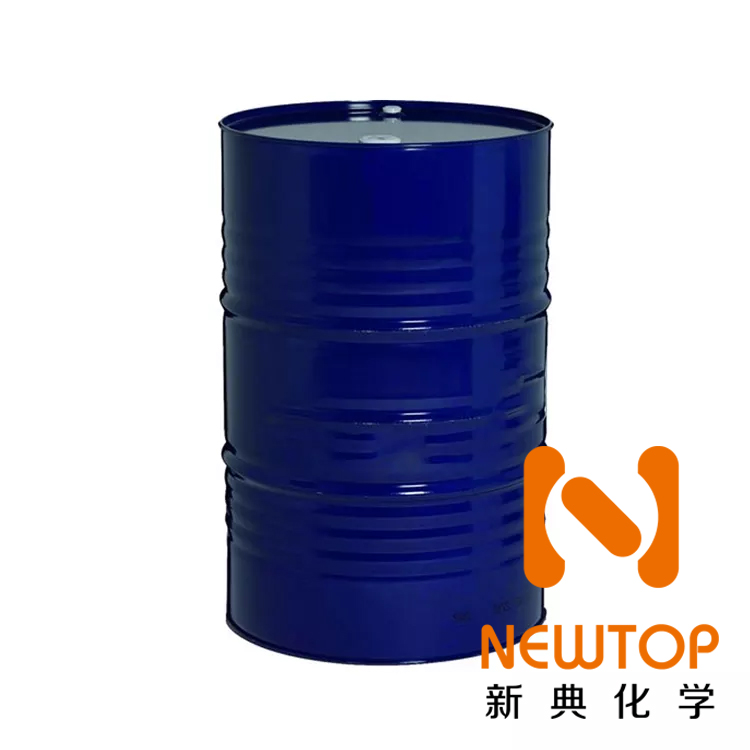
Packaging Specifications 200L iron barrel or IBC tons barrel

6. Application suggestions

Application Fields Recommended dosage (phr) NoteMatters
Car seat foam 0.5-1.0 Control reaction temperature
Furniture Mattress Foam 0.8-1.2 Keep even mixing
Building insulation materials 0.3-0.6 Avoid excessive foaming
Packaging Materials 0.2-0.5 Ensure full curing

Summary of domestic and foreign literature

In order to deeply understand the application of TMR-3 in improving foam uniformity, we have referred to a large number of relevant literatures at home and abroad, especially those focusing on the production process and catalyst performance of polyurethane foam. The following is a summary and analysis of some important literature, aiming to provide readers with more comprehensive theoretical support and practical guidance.

1. Overview of foreign literature

1.1. Catalytic mechanism of TMR-3

According to a research paper in Journal of Polymer Science published by the American Chemical Society (ACS), the catalytic mechanism of TMR-3 mainly relies on the synergistic effect of its organometallic compounds and amine compounds. Studies have shown that the titanate compounds in TMR-3 can significantly reduce the reaction activation energy between isocyanate and polyol, thereby accelerating the reaction rate. At the same time, amine compounds such as dimethylamine can prevent premature gelation or excessive expansion by adjusting the pH value of the reaction, ensuring the uniformity and stability of the foam structure. The study also pointed out that the catalytic efficiency of TMR-3 is closely related to its concentration. Use it in moderation can effectively improve the quality of the foam, but excessive use may lead to the foam being too hard or too loose.

1.2. Effect of TMR-3 on the physical properties of foam

A study by the Fraunhofer Institute in Germany showed that TMR-3 can not only significantly improve the uniformity of foam, but also improve the physical properties of foam. Experimental results show that foams catalyzed with TMR-3 have higher density, better resilience and longer service life. In addition, TMR-3 can effectively reduce pore defects in the foam and improve the overall strength and durability of the foam. The study also found that TMR-3 has a significant impact on the thermal conductivity of foams. Foams catalyzed with TMR-3 have lower thermal conductivity and are suitable for fields such as building insulation materials.

1.3. TMR-3 in car seat foamApplication

A study by the University of Cambridge in the UK specifically explores the application of TMR-3 in car seat foam. Research shows that TMR-3 can significantly improve the comfort and support of car seat foam. Experimental results show that seat foam catalyzed with TMR-3 has better rebound and compression resistance, which can effectively alleviate the fatigue caused by long-term driving. In addition, TMR-3 can also improve the weather resistance and anti-aging performance of seat foam, and extend the service life of the seat. The study also pointed out that the catalytic effect of TMR-3 in low temperature environments is particularly outstanding and is suitable for the production of car seats in cold areas.

1.4. Safety assessment of TMR-3

A report released by the U.S. Environmental Protection Agency (EPA) provides a comprehensive assessment of the safety of TMR-3. Studies have shown that TMR-3 is a low-toxic, biodegradable chemical that is less harmful to the human body and the environment. Experimental results show that the acute toxicity of TMR-3 is low, and the LD50 value is much higher than the safety standard. In addition, TMR-3 has good biodegradability and can quickly decompose in the natural environment without causing long-term pollution to water and soil. The report also pointed out that TMR-3 has extremely low volatile organic compounds (VOC) content, meets environmental protection requirements, and is suitable for green chemical production.

2. Domestic Literature Review

2.1. TMR-3 formula optimization

A article published by Professor Zhang Wei, a famous domestic scholar, in the Journal of Chemical Engineering, systematically studied the application of TMR-3 in polyurethane foam formulation. Studies have shown that the optimal dosage of TMR-3 should be between 0.5-1.2 phr. Too low dosage will lead to less obvious catalytic effect, while too high dosage will increase the hardness of the foam and affect the comfort of the product. The study also pointed out that the ratio of TMR-3 to other additives such as foaming agents and flame retardants is also very important, and a reasonable formulation design can further optimize the performance of the foam. Experimental results show that foam catalyzed with TMR-3 has better uniformity and physical properties, and is suitable for high-end furniture and automotive interiors.

2.2. Effect of TMR-3 on the microstructure of foam

A study from the Department of Materials Science and Engineering at Tsinghua University shows that TMR-3 can significantly improve the microstructure of foams. Through scanning electron microscopy (SEM), the researchers found that foams catalyzed with TMR-3 have a more uniform pore distribution and smaller pore size. This not only improves the density and strength of the foam, but also enhances the thermal insulation properties of the foam. The study also pointed out that TMR-3 can effectively inhibit pore defects in the foam, reduce the thickness of the pore wall, and thus improve the overall performance of the foam. Experimental results show that foam catalyzed with TMR-3 has better compressive resistance and resilience, and is suitable for building insulation materials and packaging materials.and other fields.

2.3. Application of TMR-3 in mattress foam

A study from the School of Mechanical and Power Engineering of Shanghai Jiaotong University shows that the application of TMR-3 in mattress foam has significant advantages. Research shows that mattress foam catalyzed with TMR-3 has better breathability and hygroscopicity, can effectively adjust the temperature and humidity between the human body and the mattress, and provide a more comfortable sleep experience. Experimental results show that mattress foam catalyzed with TMR-3 has higher resilience and compression resistance, which can effectively relieve stress concentration and reduce body pain. The study also pointed out that TMR-3 can improve the durability and anti-aging properties of mattress foam and extend the service life of mattresses.

2.4. Prospects of industrial application of TMR-3

A research report from the Institute of Chemistry, Chinese Academy of Sciences pointed out that TMR-3 has broad prospects in industrial applications. Research shows that TMR-3 can not only significantly improve the uniformity and physical properties of the foam, but also improve production efficiency and reduce production costs. Experimental results show that the foam catalyzed using TMR-3 is shorter in production cycle and has a high equipment utilization rate, which can meet the needs of large-scale production. The report also pointed out that TMR-3 has good environmental protection performance, meets the requirements of national green chemical development, and is suitable for the production of various high-end polyurethane foam products.

Operational skills to improve foam uniformity

In actual production, the rational use of TMR-3 can significantly improve the uniformity of the foam, improve the quality and production efficiency of the product. The following are some key operating techniques to help users better utilize the advantages of TMR-3 and optimize the foam production process.

1. Control the reaction temperature

Reaction temperature is one of the important factors affecting foam uniformity. TMR-3 has high catalytic activity at lower temperatures, so the reaction temperature should be controlled within the appropriate range during the production process. Generally speaking, the optimal reaction temperature for TMR-3 is 40-60°C. If the temperature is too high, it may cause too fast reaction and generate too much heat, which will cause local overheating, resulting in uneven foam structure; if the temperature is too low, it may affect the catalytic effect of TMR-3 and lead to incomplete reaction , affects the uniformity of the foam.

In order to ensure the stability of the reaction temperature, it is recommended to use a constant temperature control system to monitor and adjust the reaction temperature in real time. At the same time, the accuracy of temperature control can be further improved by preheating raw materials and optimizing mold design. In addition, for some special temperature-sensitive applications, such as car seat foam, it is recommended to produce in low-temperature environments to give full play to the low-temperature catalytic advantages of TMR-3.

2. Optimize the mixing process

The mixing process is another important factor affecting the uniformity of foam. In order to ensure that TMR-3 can be evenly distributed in the reaction system, effective mixing measures must be taken. headFirst, a suitable mixing equipment should be selected to ensure that the raw materials can be fully mixed. Commonly used mixing equipment include high-speed mixers, twin-screw extruders, etc. During the stirring process, attention should be paid to control the stirring speed and time to avoid uneven mixing of raw materials due to insufficient stirring or excessive stirring.

Secondly, a multi-stage mixing process can be used, first pre-mixed with raw materials such as TMR-3 and polyols, and then added isocyanate for final mixing. This ensures that TMR-3 is dispersed evenly before the reaction, and avoids the reaction being out of control due to excessive local concentration. In addition, the compatibility of raw materials can be further improved by adding additives such as surfactants to ensure that TMR-3 can play a better role.

3. Rationally control the amount of foaming agent

The amount of foaming agent is used directly affects the density and uniformity of the foam. When using TMR-3, the amount of foaming agent should be reasonably controlled according to the specific application needs. Generally speaking, the amount of foaming agent should be controlled between 1-3 phr. Too little foaming agent will lead to a high foam density and affect the comfort of the product; too much foaming agent may lead to too loose foam. , affects the strength and durability of the product.

In order to ensure the uniform distribution of foaming agent, it is recommended to use precision equipment such as metering pumps for quantitative addition. At the same time, the foam performance can also be further optimized by adjusting the type and ratio of the foam. For example, for foam products that require high density and high strength, water can be selected as the foaming agent; for foam products that require low density and high resilience, physical foaming agents, such as carbon dioxide or nitrogen, can be selected.

4. Select the right mold and release agent

The selection of molds and the use of release agents also have an important impact on the uniformity of the foam. To ensure that the foam can fill the mold evenly, it is recommended to choose mold materials with good breathability and thermal conductivity, such as aluminum alloy or stainless steel. In addition, the design of the mold is also very important. Sharp corners and narrow parts should be avoided as much as possible to ensure that the foam can flow and expand smoothly.

The use of mold release agent can effectively prevent foam from adhering to the mold surface and ensure product integrity and aesthetics. When selecting a mold release agent, products that are compatible with TMR-3 should be given priority to avoid adverse reactions between the mold release agent and TMR-3 and affecting the quality of the foam. Commonly used mold release agents include silicone oil, paraffin, etc. The specific choice should be adjusted according to the characteristics of the mold material and foam product.

5. Optimize curing conditions

The curing conditions have an important influence on the uniformity and physical properties of the foam. To ensure that the foam can cure sufficiently, it is recommended to use appropriate curing time and temperature. Generally speaking, TMR-3-catalyzed foam can cure at room temperature, but if the curing speed is required, it can be heated and cured at 60-80°C. It should be noted that the curing temperature should not be too high to avoid affecting the physical properties of the foam.

In addition, it can also be adjusted by adjusting the curing pressureFurther optimize the uniformity of the foam. Appropriate curing pressure can effectively eliminate pore defects in the foam and increase the density and strength of the foam. For some foam products that require high density and high strength, a high pressure curing process is recommended; for foam products that require low density and high resilience, a low pressure curing process can be used.

6. Real-time monitoring and adjustment

In production, real-time monitoring and adjustment are key to ensuring foam uniformity. It is recommended to adopt an online monitoring system to detect the physical properties of the foam in real time such as density, hardness, and resilience, and adjust the production process in a timely manner according to the detection results. For example, if the foam density is found to be too high, it can be adjusted by reducing the amount of foaming agent or reducing the reaction temperature; if the foam hardness is found to be too high, it can be adjusted by reducing the amount of TMR-3 or increasing the amount of softener.

In addition, the microstructure and pore distribution of the foam can be understood through regular sampling and analysis, and the production process can be further optimized. Through scanning electron microscopy (SEM) observation of the sample, the pore morphology and distribution of the foam can be visually seen, thus providing a basis for adjusting the production process.

Practical Case Analysis

In order to better demonstrate the application effect of TMR-3 in improving foam uniformity, we selected several typical practical cases for analysis. These cases cover different application areas and demonstrate the performance and advantages of TMR-3 under different conditions.

1. Car seat foam case

A well-known automaker introduced the TMR-3 catalyst in its seat foam production. Prior to this, the company’s traditional catalysts used had problems with poor foam uniformity, which affected the comfort and support of the seats. After many tests, the company finally chose TMR-3 as a new catalyst and optimized its production process.

Production process improvement:

  • Reaction temperature control: Reduce the reaction temperature from 60°C to 45°C, giving full play to the low-temperature catalytic advantages of TMR-3.
  • Mixing process optimization: A multi-stage mixing process is adopted, first premix TMR-3 with polyol, and then add isocyanate for final mixing to ensure uniform distribution of TMR-3.
  • Adjustment of foaming agent: According to the requirements of seat foam, the amount of foaming agent is adjusted from 2.5 phr to 1.8 phr, reducing the foam density and improving comfort.
  • Currecting conditions optimization: Heating curing at 60°C shortens the curing time and improves production efficiency.

Effect Evaluation:

  • Foot uniformity: After using TMR-3, the pore distribution of the foam is more uniform, the pore defects are significantly reduced, and the density and strength of the foam are significantly improved.
  • Physical properties: The seat foam has significantly improved its elasticity and compression resistance, which can effectively alleviate the fatigue caused by long-term driving.
  • Production Efficiency: Due to the reduction of reaction temperature and shortening of curing time, production efficiency is increased by about 20%, reducing production costs.
  • Customer feedback: After market research, the customer highly praised the comfort and support of the new seats, and the product quality has been significantly improved.

2. Furniture and Mattress Foam Case

A large furniture manufacturer has introduced the TMR-3 catalyst in its mattress foam production. Before this, the mattress foam produced by the company had problems with uneven pores and large hardness, which affected the comfort and service life of the product. After repeated trials by the technical team, the company finally chose TMR-3 as a new catalyst and optimized its production process.

Production process improvement:

  • Reaction temperature control: Reduce the reaction temperature from 50°C to 40°C, giving full play to the low-temperature catalytic advantages of TMR-3.
  • Mixing process optimization: A high-speed mixer is used for mixing to ensure that TMR-3 is evenly distributed in the reaction system. At the same time, an appropriate amount of surfactant was added to further improve the compatibility of the raw materials.
  • Adjustment of the dosage of foam: According to the requirements of mattress foam, the dosage of foam is adjusted from 2.0 phr to 1.5 phr, which reduces the foam density and improves breathability and hygroscopicity.
  • Currecting conditions optimization: Curing at room temperature shortens the curing time and improves production efficiency.

Effect Evaluation:

  • Foot uniformity: After using TMR-3, the pore distribution of the mattress foam is more uniform, the pore defects are significantly reduced, and the density and strength of the foam are significantly improved.
  • Physical properties: The elasticity and compression resistance of mattress foam are significantly improved, which can effectively relieve the pressure of mattress foam.Relieve stress concentration and reduce body pain.
  • Production Efficiency: Due to the reduction of reaction temperature and shortening of curing time, production efficiency is increased by about 15%, reducing production costs.
  • Customer feedback: After market research, the customer highly praised the comfort and breathability of the new mattress, and the product quality has been significantly improved.

3. Building insulation materials case

A building insulation material manufacturer has introduced TMR-3 catalyst in its product production. Before this, the insulation materials produced by the company had problems with high thermal conductivity and uneven pores, which affected the insulation effect and service life of the product. After repeated trials by the technical team, the company finally chose TMR-3 as a new catalyst and optimized its production process.

Production process improvement:

  • Reaction temperature control: Reduce the reaction temperature from 55°C to 45°C, giving full play to the low-temperature catalytic advantages of TMR-3.
  • Mixing process optimization: A twin-screw extruder is used for mixing to ensure that TMR-3 is evenly distributed in the reaction system. At the same time, an appropriate amount of flame retardant was added to further improve the safety of the product.
  • Adjustment of the dosage of foaming agent: According to the requirements of the insulation material, the dosage of foaming agent is adjusted from 1.5 phr to 1.2 phr, which reduces the foam density and improves the insulation effect.
  • Currecting conditions optimization: Heating curing at 60°C shortens the curing time and improves production efficiency.

Effect Evaluation:

  • Foot uniformity: After using TMR-3, the pore distribution of the insulation material is more uniform, the pore defects are significantly reduced, and the density and strength of the foam are significantly improved.
  • Physical properties: The thermal conductivity of the insulation material has been significantly reduced, and the insulation effect has been significantly improved. At the same time, the durability and anti-aging properties of the product have also been significantly improved.
  • Production Efficiency: Due to the reduction of reaction temperature and shortening of curing time, production efficiency has been increased by about 18%, reducing production costs.
  • Customer feedback: After market research, the customer has given the thermal insulation effect and durability of the new productHighly praised, the product quality has been significantly improved.

Summary and Outlook

By a detailed introduction and actual case analysis of TMR-3 catalyst, we can draw the following conclusions:

  1. TMR-3 has excellent catalytic properties: TMR-3 can effectively catalyze the reaction between isocyanate and polyol at lower temperatures, significantly improving the uniformity and physical properties of the foam. Its unique combination of organometallic compounds and amine compounds makes it perform well in a variety of application scenarios.

  2. Reasonable operation skills are crucial: by controlling the reaction temperature, optimizing the mixing process, rationally controlling the amount of foaming agent, selecting the appropriate mold and release agent, optimizing the curing conditions, and real-time monitoring and Adjustment can maximize the advantages of TMR-3 and ensure the uniformity and quality of the foam.

  3. Wide application prospects: TMR-3 has performed well in many fields such as car seat foam, furniture mattress foam, building insulation materials, etc., and can significantly improve the performance and user experience of the product. In the future, with the continuous development of the polyurethane foam industry, the application scope of TMR-3 will be further expanded to promote the technological progress and green development of the industry.

  4. Continuous technological innovation: Although TMR-3 has shown many advantages, there is still a lot of room for improvement. Future research can focus on developing more environmentally friendly and efficient catalysts to further optimize the performance of bubbles and meet market demand. In addition, combining intelligent production and big data analysis can achieve more accurate process control and improve production efficiency and product quality.

In short, as an efficient semi-hard bubble catalyst, TMR-3 has been widely used in many fields and has achieved remarkable results. With the continuous advancement of technology and changes in market demand, the application prospects of TMR-3 will be broader, and it is expected to bring more innovation and development opportunities to the polyurethane foam industry.

: : : : : : : : : : : : : : : : : : : : : : : : : : : : : : : : : : : : : : : : : : : : : : : : : : : : : : : : : : : : : : :

Extended reading:https://www.bdmaee.net/wp-content/uploads/2022/08/Dioctyl-dimaleate-di-n-octyl-tin-CAS33568-99-9-Dioctyl-dimaleate-di-n-octyl-tin.pdf

Extended reading:https://www.bdmaee.net /nt-cat-tmeda-catalyst-cas-110-18-9-newtopchem/

Extended reading:https://www.newtopchem.com/archives/40422

Extended reading: https://www.newtopchem.com/archives/1021

Extended reading:https: //www.cyclohexylamine.net/main-8/

Extended reading:https://www.bdmaee.net/wp-content/uploads/2016/05/tegoamin-bde-100-MSDS.pdf

Extended reading:https://www.newtopchem.com/archives/44940

Extended reading:https://www.bdmaee.net/pc-cat-np10-catalyst-n-dimethylaminopropyldiisopropanolamine/

Extended reading:https://www. cyclohexylamine.net/hard-foam-catalyst-smp-sponge-catalyst-smp/

Extended reading:https://www.bdmaee.net/wp-content/uploads/2022/08/129-2.jpg